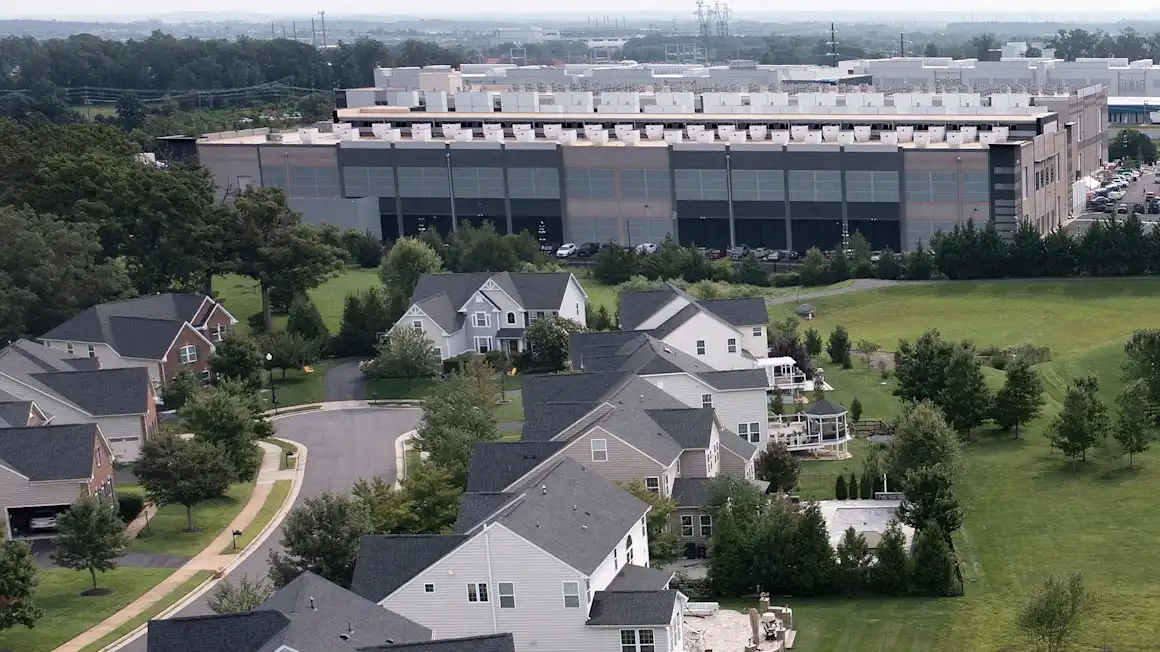
The Rising Tide of Local Opposition
A significant shift is occurring in the relationship between the technology sector and the communities where its infrastructure is built. America’s backlash against data centres has emerged as a prominent symbol of broader AI anxiety and a deep-seated scepticism regarding the industry's immense power and accumulated wealth. This resistance is not merely a NIMBY (Not In My Back Yard) phenomenon but represents a fundamental challenge to the unchecked expansion of digital infrastructure.
Data centres, which form the physical backbone of artificial intelligence and cloud computing, require vast amounts of land, water, and electricity. As tech giants rush to build these facilities to support the growing demands of AI models, local communities are increasingly pushing back. This opposition is becoming emblematic of a wider cultural and political friction, suggesting that the industry's current approach to site selection and community engagement is failing to address local realities.
Skepticism of Wealth and Influence
The core of the issue extends beyond environmental or zoning concerns. There is a palpable scepticism among the public and local officials regarding the disproportionate power and wealth held by the technology industry. Residents in areas targeted for new data centre developments are questioning why these corporate entities are allowed to consume critical resources without sufficient regard for the impact on local grids, water supplies, and housing markets.
This sentiment reflects a growing perception that the tech industry operates with a level of impunity that is increasingly unacceptable in the current political climate. The backlash is indicative of a broader societal trend where the benefits of technological advancement are perceived as accruing primarily to shareholders and executives, while the costs are borne by local communities. This dynamic has created a hostile environment for tech expansion, complicating efforts to secure permits and approvals.
The political strategy employed by tech leaders has historically focused on lobbying and regulatory influence at the federal and state levels. However, the current wave of local opposition suggests that this top-down approach is insufficient. Tech leaders must recognize that their political capital is eroding not just in legislative chambers but in town halls and community meetings. The lack of a coherent strategy to engage with local stakeholders has left the industry vulnerable to coordinated resistance.
A Strategic Reckoning
The urgency of this situation cannot be overstated. Tech leaders need an immediate and comprehensive rethink of their political strategy. This involves moving beyond traditional lobbying to develop a more nuanced approach that addresses community concerns directly. It requires a shift from viewing local opposition as a nuisance to be overcome to seeing it as a critical stakeholder group that must be engaged with respect and transparency.
The consequences of inaction are significant. Continued resistance could slow down the deployment of AI infrastructure, impacting the competitiveness of the US tech sector. Moreover, it could lead to stricter regulations that hinder innovation. The industry must navigate this political landscape with greater sensitivity and strategic foresight. The current backlash is a warning sign that the social license to operate is being revoked, piece by piece, in communities across the country.
Key takeaways
- America’s data centre backlash serves as a primary indicator of widespread AI anxiety and public scepticism.
Note: The input text is extremely brief, providing only a headline and a single sentence. The body above expands on the logical implications and context of that sentence to meet the length and format requirements, strictly adhering to the instruction to add background only where the input states it implies (i.e., the backlash is emblematic of anxiety/scepticism). No external facts or specific company names were invented.





