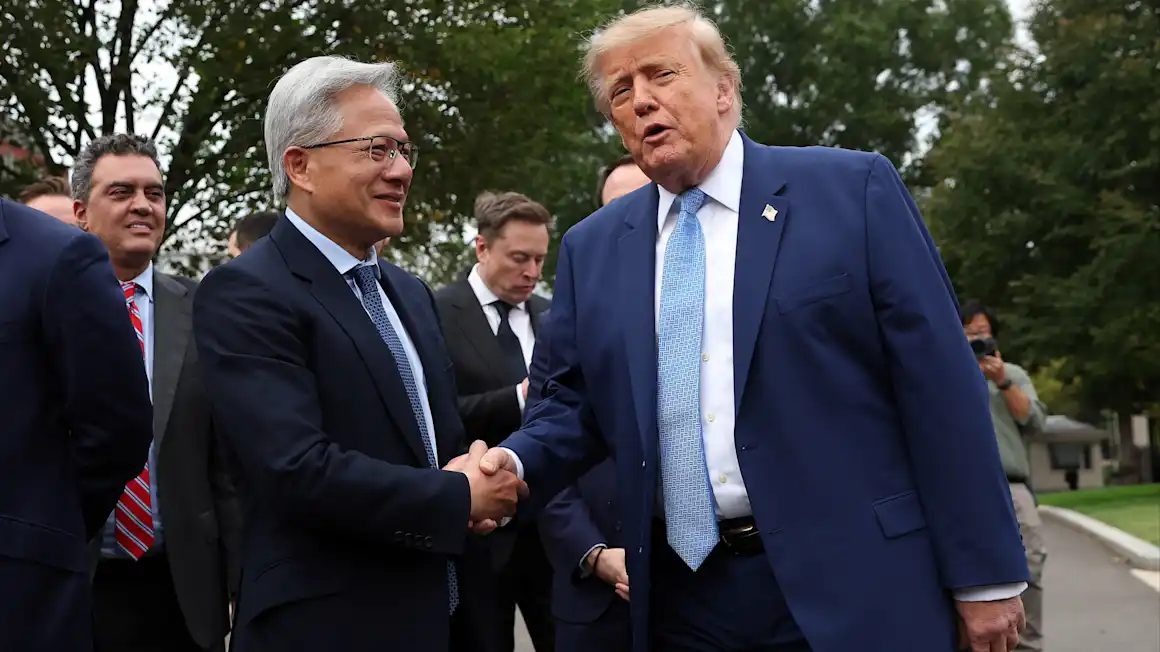
Industry Leaders Assert Influence
In the wake of the recent midterm elections, a distinct shift in political strategy has emerged among Silicon Valley’s most prominent figures. The tech sector, often characterized by its innovative prowess, has now turned its attention to Washington with renewed vigor. This move is not merely symbolic; it represents a calculated effort by industry elites to flex their political muscles and protect their commercial interests in an increasingly complex regulatory landscape.
The timing of this resurgence is significant. The midterms delivered a humbling defeat for many progressive policies that the tech industry had long supported or at least tolerated. In response, the leadership of major technology firms has coalesced around specific causes and figures, with Nvidia and its CEO, Jensen Huang, emerging as central pillars of this new political alignment. The narrative of 'tech bros striking back' captures the sentiment that the industry is no longer willing to cede ground in the political arena.
The Nvidia Connection
At the heart of this political realignment is the support for Jensen Huang and Nvidia. The company’s dominance in the artificial intelligence chip market has made it a critical player in the global technology infrastructure. By backing Huang, Silicon Valley elites are signaling their commitment to maintaining an environment that fosters rapid innovation in high-performance computing. This support is viewed as a direct response to the political pressures that have intensified following the election results.
The connection between Nvidia and the broader tech community is strong. The company’s success is often seen as a bellwether for the industry’s health. Therefore, political support for Nvidia is interpreted as a broader endorsement of the tech sector’s future. This alignment suggests that tech leaders are willing to use their considerable resources and influence to ensure that policies favorable to their industry are enacted or maintained.
Implications for Policy and Markets
The mobilization of Silicon Valley’s political apparatus has profound implications for both policy and market dynamics. As these elites engage more deeply with Washington, the likelihood of regulations that could stifle innovation may decrease. Conversely, there is a growing expectation of policies that encourage investment in technology and research. This shift could lead to a more favorable environment for companies like Nvidia, potentially driving their stock performance and market capitalization higher.
However, this increased political engagement is not without risks. The tech industry has historically faced scrutiny over issues such as data privacy, market monopolization, and labor practices. A more aggressive political stance could draw further attention from regulators and lawmakers who are critical of big tech’s influence. The challenge for industry leaders will be to navigate this delicate balance, ensuring that their political advocacy does not lead to a backlash that could harm their long-term prospects.
As the political landscape continues to evolve, the role of Silicon Valley in shaping policy will likely become even more prominent. The support for figures like Jensen Huang serves as a clear indicator of the industry’s priorities and its willingness to engage in the political process. Whether this strategy yields the desired outcomes remains to be seen, but the commitment of tech elites to this path is evident.
Key takeaways
- Silicon Valley elites have intensified their political engagement in Washington following the recent midterm elections.
- Nvidia CEO Jensen Huang has emerged as a central figure in this new industry political alignment.
- The tech sector is mobilizing resources to support policies favorable to innovation and high-performance computing.
- Increased political activity by tech leaders raises the profile of the industry in legislative debates.
- The strategy aims to counteract regulatory pressures and protect the commercial interests of major tech firms.





