High Court Ruling on Border Infrastructure
The Supreme Court of the United States has issued a decisive ruling that allows the federal government to proceed with the construction of a border wall through a national park in Texas. This decision marks a significant legal development in the ongoing debate over border security infrastructure versus environmental preservation. The top judges determined that the government's interest in securing the border outweighs any alleged aesthetic and environmental harm cited by the respondents in the case.
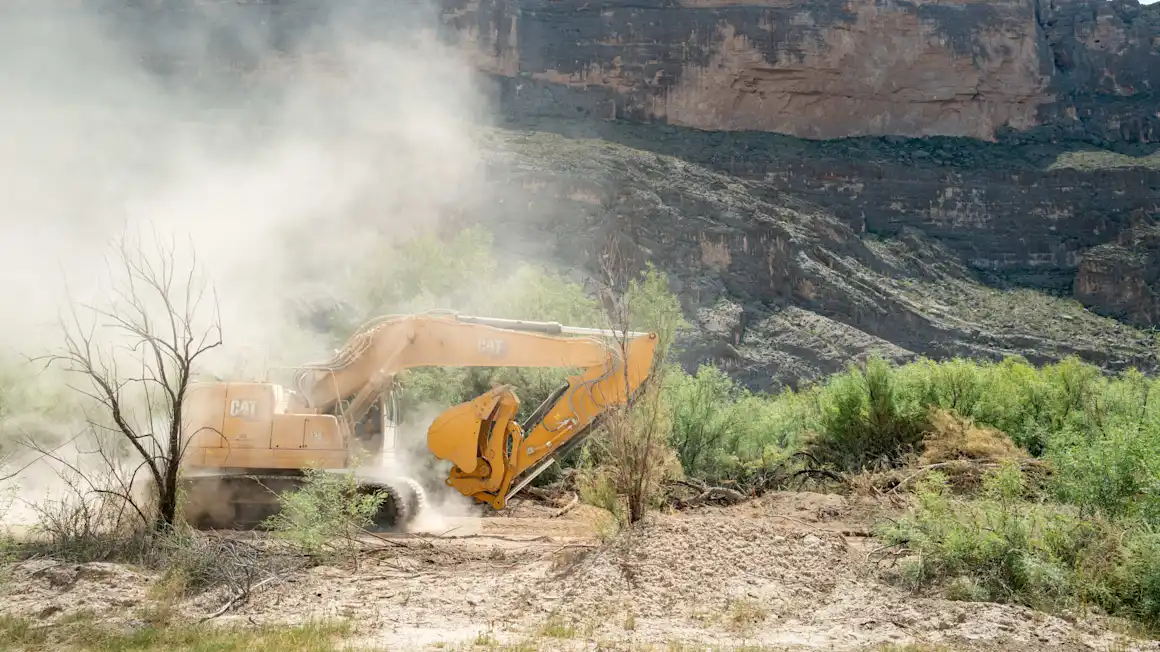
By letting the construction proceed, the Court has effectively cleared the path for engineers and contractors to continue their work in the protected area. The ruling addresses a long-standing dispute where environmental groups and other respondents argued that the structure would cause irreversible damage to the natural landscape. However, the justices concluded that the national security imperative takes precedence in this specific context.
Legal Arguments and Government Interests
At the heart of the case was the conflict between federal construction mandates and environmental protection laws. Respondents in the case had raised concerns regarding the aesthetic impact and environmental harm that the border wall would inflict on the national park. They argued that the construction would disrupt local ecosystems and degrade the natural beauty of the protected land.
In response, the government asserted that its interest in maintaining secure borders is paramount. The top judges agreed with this assessment, ruling that the federal government's interest outweighs the concerns raised by the respondents. This legal standard places a higher weight on national security and border control measures than on the preservation of aesthetic and environmental qualities in this instance.
The decision underscores the judiciary's role in balancing competing public interests. While environmental protection is a significant legal and social concern, the Court found that the specific needs of border security in Texas justified the exception to standard environmental protections. This sets a precedent for how future infrastructure projects in protected areas might be evaluated when national security is involved.
Implications for Border Security and Environment
With the Supreme Court's permission, the construction of the border wall through the Texas national park can continue without further legal obstruction from this specific case. This development is a victory for proponents of strict border enforcement and increased physical barriers along the southern border. It allows the government to finalize sections of the wall that were previously stalled due to legal challenges.
For environmental advocates, the ruling represents a loss in their effort to preserve the natural state of the national park. The acknowledgment that aesthetic and environmental harm can be overridden by government interest may embolden other infrastructure projects that intersect with protected lands. It highlights the tension between development and conservation when high-level security concerns are introduced.
The immediate consequence of this ruling is the resumption or continuation of construction activities in the affected area. Engineers will be able to work on the ground, knowing that the highest court in the land has validated the government's approach. This removes a significant legal hurdle that had been delaying the project.
Key takeaways
- The Supreme Court has ruled that the government's interest in border security outweighs environmental and aesthetic concerns.
- Construction of a border wall through a Texas national park is now permitted to proceed.
- Respondents' allegations of harm to the national park were deemed secondary to federal government interests.
- The decision clears legal path for continued infrastructure development in the protected area.
- This ruling prioritizes national security imperatives over environmental preservation in this specific case.





