Invitation Sparks Debate
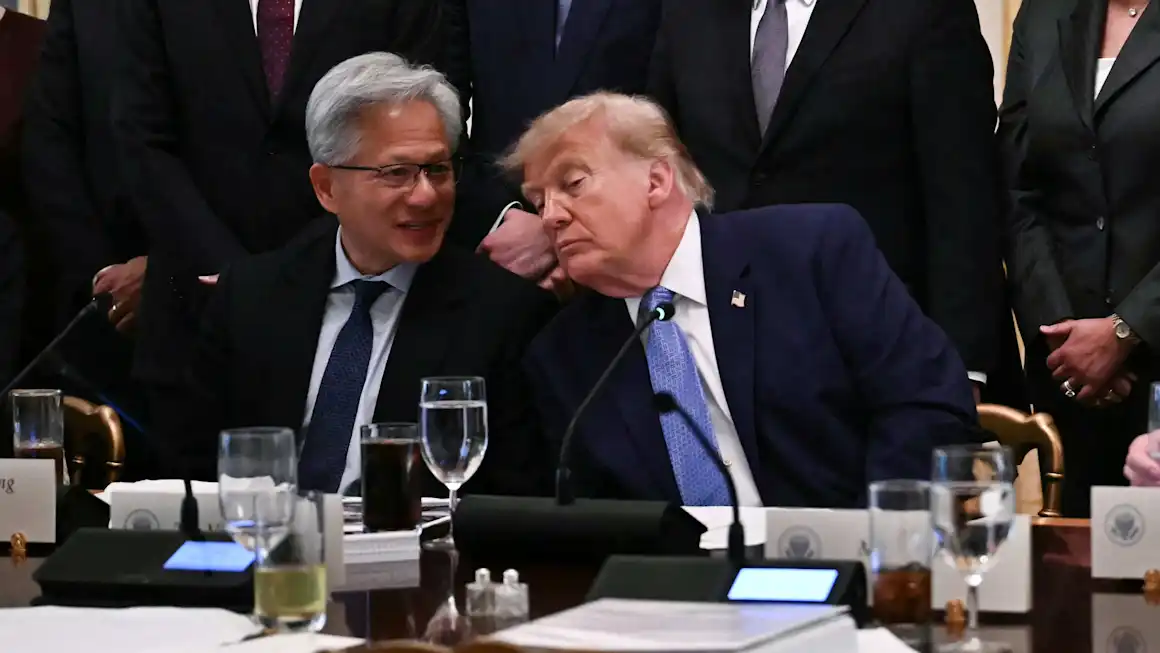
Jensen Huang, the chief executive officer of Nvidia, has found himself at the center of a political controversy following his inclusion in the guest list for a state dinner hosted by President Donald Trump. The invitation has drawn significant attention and criticism, particularly from groups and individuals who oppose the rapid advancement of artificial intelligence technology. Critics argue that the presence of such a prominent figure in the AI industry at a high-profile diplomatic event signals problematic alignments.
The scrutiny intensified after reports emerged linking Huang to an affair with a suspected Chinese spy. This revelation has led to a heightened sense of urgency among opponents of AI development, who see the situation as a critical juncture for national security. The phrase 'blood in the water' has been used by detractors to describe the current climate, suggesting that the vulnerability exposed by these connections is being actively exploited or observed by adversaries.
Security Concerns and Political Fallout
Lawmakers and security experts have raised concerns about the potential implications of Huang's relationship with the alleged spy. The intersection of cutting-edge technology leadership and national security risks has become a focal point for congressional inquiries and public debate. The state dinner, traditionally a venue for fostering international relations, has become a stage for discussing the complexities of managing foreign ties in the tech sector.
The controversy highlights the broader challenges facing the United States in balancing technological innovation with national security. As AI continues to reshape industries and global power dynamics, the personal connections of key industry leaders are under increased scrutiny. The incident underscores the delicate nature of diplomatic engagements involving tech moguls with international business interests.
Opponents of AI have long warned about the risks associated with the technology, including the potential for misuse by hostile nations. The allegations against Huang provide a tangible example of these fears, reinforcing calls for stricter regulations and oversight. The debate extends beyond individual conduct to question the systemic safeguards in place to protect sensitive technological advancements from foreign influence.
Implications for the Tech Industry
The fallout from the state dinner invitation could have lasting effects on Nvidia's reputation and its relationships with government entities. As a key player in the AI hardware market, Nvidia's standing with policymakers is crucial for future contracts and regulatory approvals. The scrutiny may lead to increased legislative efforts to monitor and regulate the interactions between tech executives and foreign officials.
Industry analysts suggest that this incident could serve as a warning to other tech leaders about the potential risks of maintaining close ties with foreign entities. The incident has prompted a reevaluation of security protocols within the tech industry, with companies likely to face greater pressure to demonstrate their commitment to national security.
As the investigation into the alleged espionage continues, the political ramifications for both Huang and Nvidia remain uncertain. The situation highlights the growing intersection of technology, politics, and national security, with significant implications for the future of AI development and deployment in the United States.
Key takeaways
- Jensen Huang was invited to a Trump state dinner, sparking controversy.
- Opponents of AI see the invitation as a security risk amid spy allegations.
- Huang is linked to an affair with a suspected Chinese spy.
- Lawmakers are concerned about the intersection of tech and national security.
- The incident highlights broader debates on AI regulation and foreign influence.





