A Strategic Oversight in the AI Race
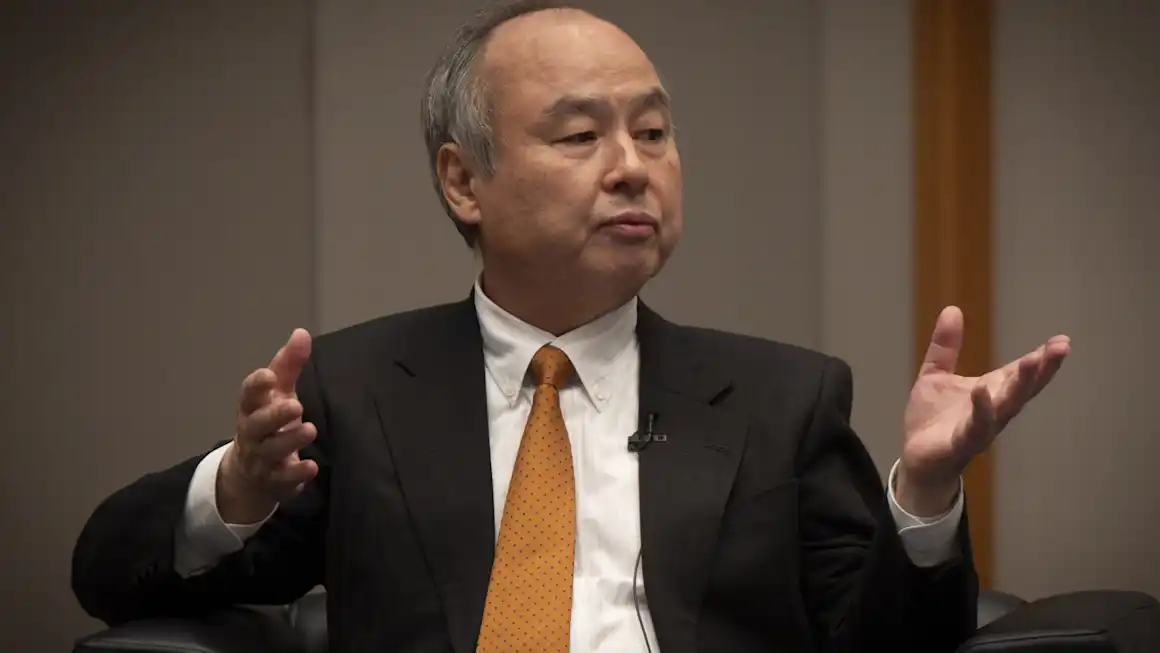
SoftBank Group has officially recognized a significant oversight in its artificial intelligence investment strategy, with CEO Masayoshi Son admitting that the company failed to back Anthropic, a leading developer in the field. This admission marks a notable shift in public narrative for the Japanese conglomerate, which had previously positioned itself as a major arbiter of global tech trends. Son’s comments highlight the intense competition and high-stakes decision-making that characterize the current landscape of generative artificial intelligence development.
The regret expressed by SoftBank’s leadership centers on the firm's decision to invest in its arch-rival, OpenAI, while passing on Anthropic. This strategic choice has drawn scrutiny as Anthropic has emerged as a formidable competitor in the sector. The move underscores the difficulty even seasoned investors face in predicting which AI ventures will achieve lasting market dominance and technological superiority.
The OpenAI Connection and Market Dynamics
SoftBank’s investment in OpenAI has been a cornerstone of its AI portfolio, representing a significant financial commitment to one of the most prominent names in the industry. By directing funds toward OpenAI, SoftBank aligned itself with a company that has captured substantial public attention and market share. However, the simultaneous lack of investment in Anthropic suggests a miscalculation in evaluating the potential of rival firms. This dynamic illustrates the complex web of relationships and competitive pressures within the AI ecosystem.
The rivalry between OpenAI and Anthropic is well-documented, with both entities vying for leadership in AI safety and capability. Anthropic has gained recognition for its focus on constitutional AI and safety-oriented development, attracting interest from various investors and industry observers. SoftBank’s initial reluctance to engage with Anthropic, followed by its subsequent regret, indicates a reassessment of the competitive landscape. This shift may influence future investment decisions as the company seeks to correct past oversights.
Implications for Future Investment Strategies
CEO Masayoshi Son’s acknowledgment of this mistake carries implications for SoftBank’s future approach to AI investments. The admission signals a potential willingness to diversify its portfolio more aggressively or to re-evaluate its criteria for selecting AI partners. As the AI sector continues to evolve, with new players emerging and existing ones scaling rapidly, the ability to identify promising ventures early remains crucial. SoftBank’s experience serves as a case study in the challenges of venture capital in high-growth, high-risk industries.
SoftBank regrets ‘mistake’ of not backing Anthropic, says Son
The financial and strategic consequences of this decision are still unfolding. While OpenAI continues to grow, Anthropic’s trajectory suggests it remains a significant player. SoftBank’s public admission may affect its reputation among investors and partners, potentially influencing how future deals are structured. The company’s focus on AI remains strong, but the emphasis on correcting past errors may lead to a more cautious or varied approach in the coming quarters.
Market observers are watching closely to see if SoftBank will attempt to rectify this situation by engaging with Anthropic or other AI firms. The tech industry is characterized by rapid change, and early investment decisions can have long-lasting effects. SoftBank’s journey through the AI boom provides insights into the complexities of venture capital and the importance of strategic foresight. As the sector matures, the lessons learned from this episode may shape investment trends across the broader technology landscape.
Key takeaways
- SoftBank CEO Masayoshi Son admitted the company made a mistake by not investing in Anthropic.
- SoftBank had already committed funds to rival AI developer OpenAI at the time of the decision.
- The admission highlights the competitive rivalry between OpenAI and Anthropic in the AI sector.
- SoftBank’s strategy reflects the challenges of identifying leading AI ventures in a fast-evolving market.
- The company’s public regret may influence its future investment approach and partnerships.