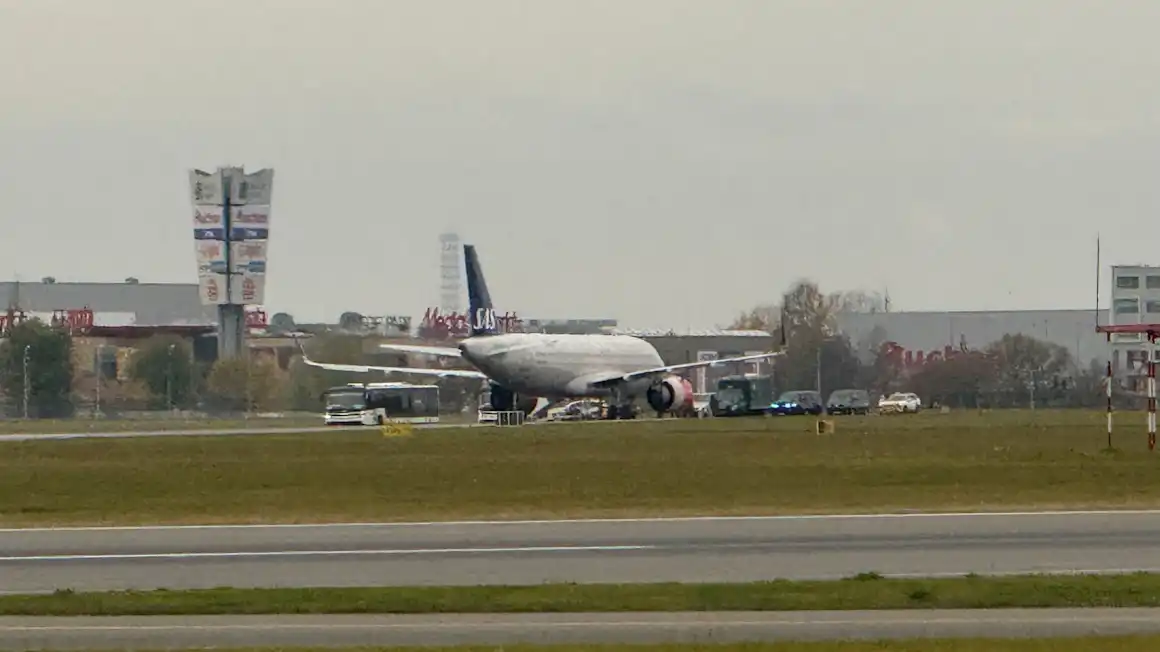
Disruption Across European Skies
A significant disruption to air travel across Europe occurred as authorities confirmed that seven aircraft were grounded following a coordinated series of bomb threats. The incidents unfolded over a span of just a few hours, triggering emergency security protocols at multiple airports and causing widespread operational delays. While specific flight numbers and airline names have not been fully detailed in initial reports, the scope of the incident suggests a targeted or widespread campaign of intimidation affecting the aviation sector.
Emergency services and airport security personnel responded rapidly to the warnings, conducting thorough searches of the affected planes and surrounding areas. The primary objective was to ensure the safety of passengers and crew while verifying the legitimacy of the threats. As a result of these precautionary measures, flights were either diverted to alternative airports or delayed until clearance was granted by security officials.
Investigation and Security Response
Law enforcement agencies across the continent have launched investigations to identify the source of the threats. Authorities are treating the incidents seriously, analyzing digital footprints and communication channels to trace the originators. The rapid succession of warnings within a matter of hours has raised concerns among security experts about the potential for organized malice or coordinated cyber harassment aimed at destabilizing daily travel routines.
Passengers affected by the grounded flights have faced significant inconveniences, including missed connections and extended waiting times. Airlines have been working to rebook affected travelers, though the sheer volume of disruptions has placed a strain on customer service operations at major hubs. The psychological impact on travelers is also being considered, as the nature of bomb threats induces a high level of anxiety and uncertainty among the flying public.
Aviation security protocols are under scrutiny following these events. The incident highlights the vulnerability of the aviation industry to low-cost, high-impact disruptions that do not require physical explosives but rely on the threat of them. Security experts note that while physical searches are resource-intensive, they are a necessary step to maintain the highest standards of safety in the event of credible warnings.
Operational and Economic Implications
The grounding of seven aircraft represents more than just a logistical challenge; it carries economic implications for the airlines involved and the broader travel industry. Fuel costs, crew scheduling issues, and potential compensation claims for delayed passengers add up quickly. For the aviation sector, which has been working to stabilize operations post-pandemic, such disruptions can set back recovery efforts and affect consumer confidence in the reliability of air travel.
As the investigations continue, authorities are urging the public to remain vigilant and report any suspicious activities or communications. The focus remains on identifying those responsible for the threats to prevent future occurrences. The incident serves as a reminder of the ongoing challenges faced by global infrastructure in maintaining security against evolving forms of threat.
Key takeaways
- Seven aircraft were grounded in Europe following a series of bomb threats received within hours.
- Emergency security protocols were activated, leading to thorough searches of the affected planes.
- Law enforcement agencies have launched investigations to trace the source of the coordinated warnings.
- Passengers faced significant delays and disruptions as flights were diverted or cancelled.
- The aviation industry is assessing the operational and economic impact of the security breach.





