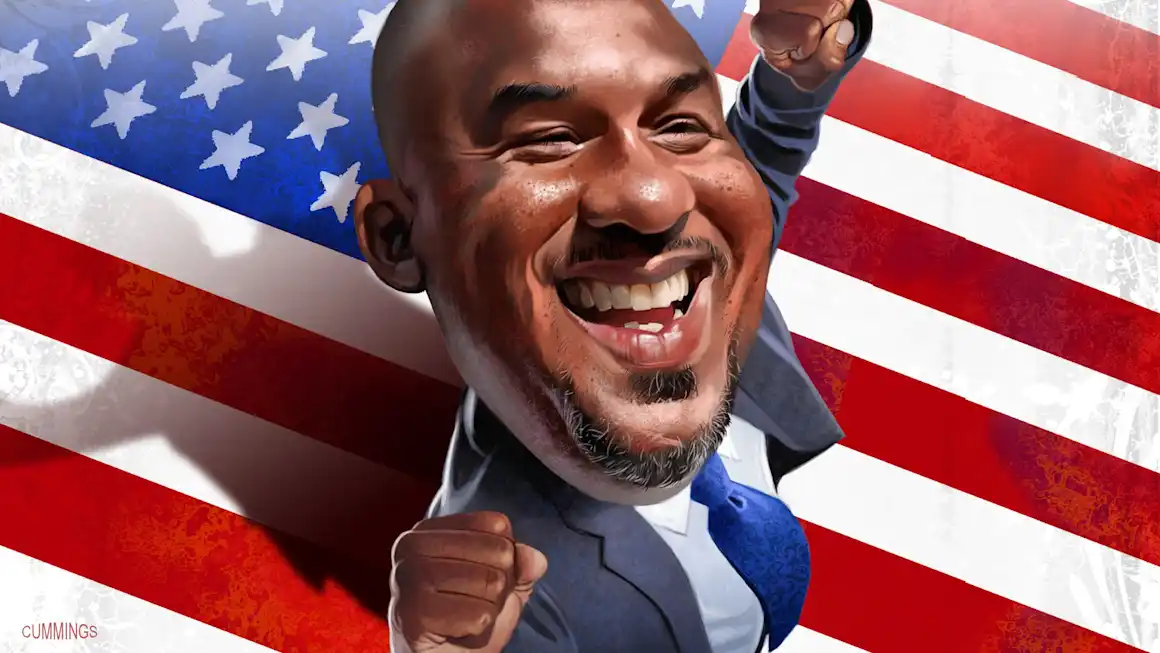
A Historic Shift in Mississippi Politics
Scott Colom has successfully won the race for the United States Senate in Mississippi, marking a significant departure from the state's traditional political alignment. The victory propels Colom into the U.S. Senate, where he will serve as the first Black senator from Mississippi since 1881. This milestone ends a 140-year gap in Black representation in the state's upper chamber, a period during which Mississippi has been governed almost exclusively by white legislators in both houses.
The election results reflect a notable shift in voter behavior within a state that has historically been a stronghold for the Republican Party. Mississippi has not elected a Democratic senator in over four decades, making Colom's win an outlier in the current political climate. The victory underscores the evolving demographic and political dynamics within the Deep South, where traditional partisan loyalties are being tested by new mobilization strategies.
Strategies Drive Unprecedented Turnout
Analysts attribute Colom's success to a combination of high voter turnout and effective digital campaigning. The campaign utilized viral advertisements to reach a broader audience, particularly among younger voters and minority communities who had previously been less engaged in federal elections. These digital efforts helped bypass traditional media gatekeepers and allowed the campaign to message directly to constituents on platforms like TikTok and Instagram.
High turnout was a critical factor in the outcome. In a state where Republican voter registration typically outpaces Democratic registration, the ability to mobilize base voters and attract independents proved decisive. Campaign data suggests that the digital ad strategy successfully increased engagement rates, leading to a higher volume of votes than historical models predicted for a Democrat in this region.
The victory also highlights the growing influence of digital media in rural and conservative areas. By leveraging social media algorithms and targeted content, the Colom campaign was able to penetrate communities that are often difficult for Democratic candidates to reach through conventional means. This approach challenges the notion that digital outreach is limited to urban or progressive demographics.
Implications for National Politics
Colom's win has immediate implications for the balance of power in the U.S. Senate. With the chamber currently divided, each seat holds significant weight in legislative negotiations and committee assignments. The addition of a Democrat from Mississippi adds to the party's numbers, potentially influencing the outcome of close votes on key legislation.
Political strategists view this result as a potential template for future elections in other conservative states. If the combination of high turnout and viral digital advertising can succeed in Mississippi, it may encourage Democratic campaigns in other red states to adopt similar tactics. This could lead to a broader realignment in Southern politics, where economic and social issues are increasingly framed through a digital-first lens.
As Colom prepares to take office, the focus will shift to his legislative agenda and how he navigates the partisan divide. His background as a former mayor and state senator positions him with experience in local governance, but the transition to the federal level presents new challenges. The expectation from his constituents will be high, given the historic nature of his election and the barriers he has broken.
The reaction from both political parties has been swift, with Republicans questioning the sustainability of the turnout numbers and Democrats celebrating a breakthrough in a difficult terrain. This election serves as a case study for the efficacy of modern campaign strategies in altering long-standing political outcomes. The metrics of success, including ad spend efficiency and voter mobilization rates, will be closely watched by political operatives across the country.
Key takeaways
- Scott Colom wins the Mississippi Senate race, becoming the first Black senator from the state since 1881.
- High voter turnout and viral digital advertisements were key drivers of his victory in a deeply conservative state.
- The win breaks a 140-year streak of white representation in Mississippi's U.S. Senate delegation.
- Colom's success challenges traditional Republican dominance in the Deep South and may influence future campaign strategies.
- The election highlights the growing impact of social media outreach in mobilizing voters in rural and conservative areas.





