Strategic Intent to Divide
Ukrainian President Volodymyr Zelenskyy has characterized the latest wave of Russian attacks as a deliberate attempt to cut Ukraine in half. The President highlighted that Moscow’s strategic focus on infrastructure within the country is aimed at creating a physical and logistical divide, isolating eastern territories from the rest of the nation. This assessment underscores the escalating severity of the conflict, moving beyond battlefield maneuvers to target the very connectivity of the state.
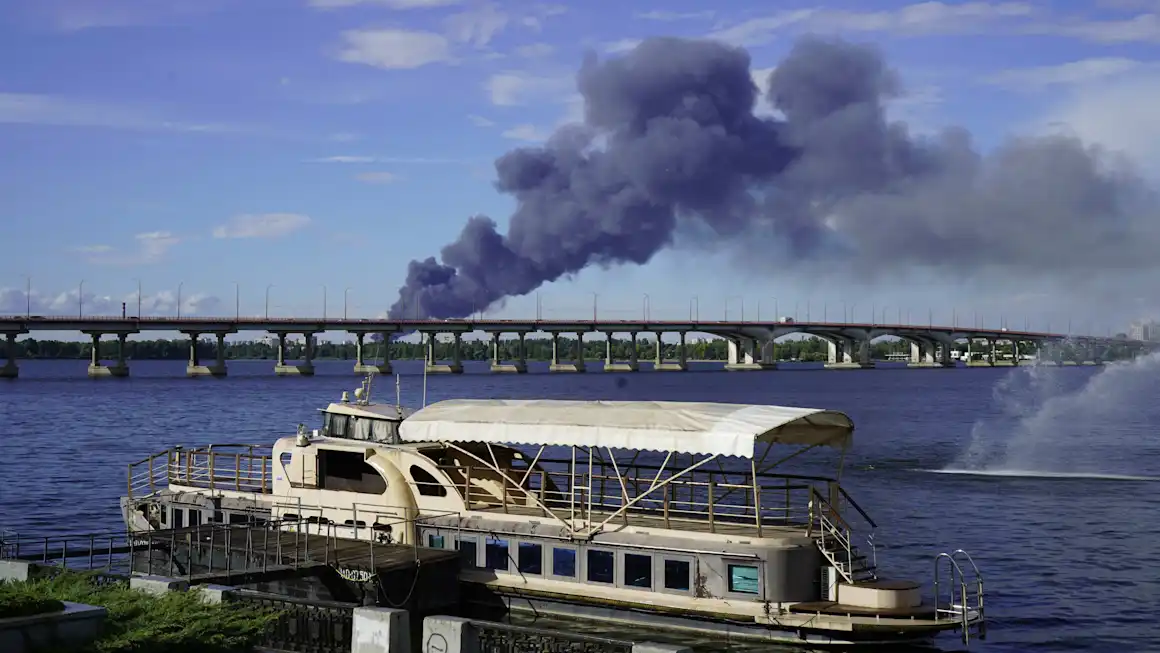
Moscow’s strikes on the bridges across the Dnipro river could sever power and transport links with the east of the country.
The President’s warning draws attention to the critical role of the Dnipro River as a geographic and economic artery. By targeting the bridges that span this major waterway, the Russian military appears to be executing a strategy designed to disrupt the flow of goods, energy, and people. The implication is a fragmentation of national cohesion, where eastern regions could be left without reliable connections to central and western Ukraine.
Infrastructure Under Fire
The bridges across the Dnipro River represent some of the most vital infrastructure in Ukraine’s transport network. These structures facilitate the movement of military supplies, humanitarian aid, and commercial traffic between the two halves of the country. The strikes have raised immediate concerns about the potential for catastrophic disruptions in logistics, particularly for the eastern regions which have faced sustained pressure from military operations.
Power and transport links are deeply intertwined in modern economies. The destruction or damage of these bridges not only halts physical movement but also complicates the repair and maintenance of energy grids that rely on heavy machinery and specialized equipment for transit. If the links are severed, the ability to restore power in affected areas could be significantly delayed, compounding the humanitarian and economic impact of the conflict.
Zelenskyy’s statement suggests that the Russian aim is not merely tactical but strategic, seeking to exert long-term pressure by crippling the infrastructure that binds the country together. This approach reflects a broader pattern of targeting energy and transport networks in the ongoing war, aiming to degrade Ukraine’s capacity to function as a unified entity. The focus on the Dnipro bridges indicates a calculated effort to exploit the geographic division created by the river.
Implications for Eastern Regions
The eastern part of Ukraine, which includes key industrial and agricultural zones, relies heavily on the transport corridors that cross the Dnipro. Severing these links could isolate these regions, making it difficult to export goods and import necessary supplies. The potential for a power blackout in the east is a significant concern, as the energy grid is interdependent across regions.
The warning from the President highlights the vulnerability of the remaining infrastructure. As strikes continue, the resilience of the Ukrainian supply chain is tested. The ability to maintain power and transport in the face of such targeted attacks is critical for the country’s stability. The situation underscores the high stakes involved in the protection of critical infrastructure during active conflict.
While the immediate effects of the strikes are being assessed, the long-term strategic goal attributed to Moscow is clear: to create a division that hampers Ukraine’s recovery and defense capabilities. The focus on the Dnipro bridges is a tangible manifestation of this goal, targeting the physical links that allow the country to operate as a whole.
Key takeaways
- President Volodymyr Zelenskyy warns that Russian strikes aim to cut Ukraine in half.
- Missile attacks are targeting bridges across the Dnipro River.
- The strikes threaten to sever power and transport links with the east of the country.
- Infrastructure damage could isolate eastern regions from the rest of Ukraine.
- The strategy reflects an effort to disrupt national cohesion and logistics.





