Expanding the Theater of Conflict
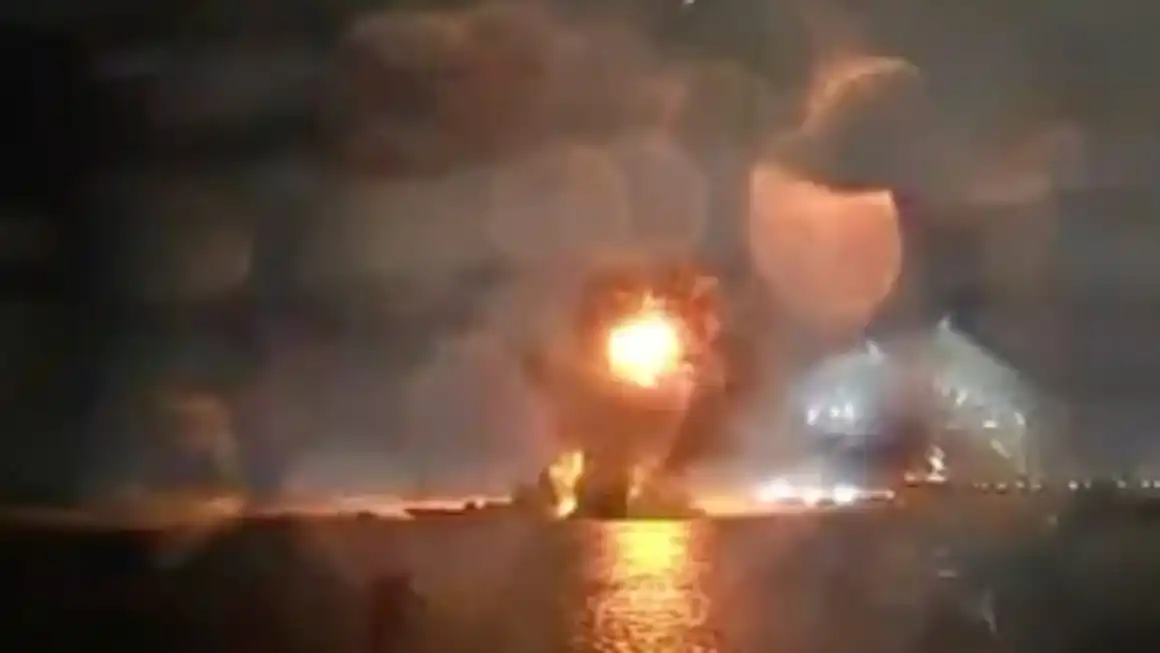
Ukrainian military operations have intensified their reach beyond traditional frontlines, with recent reports confirming successful strikes against Russian naval assets in multiple bodies of water. According to available information, Ukrainian drones have targeted Moscow’s warships and freighters across the Black Sea, the Baltic Sea, and the Mediterranean Sea. This multi-theater approach signifies a strategic shift, demonstrating the capability of Ukrainian forces to project power and disrupt Russian logistical and military operations far from the immediate combat zones of the eastern front.
Strategic Implications for Russian Naval Power
The sinking and damaging of Russian warships in these diverse regions represent a significant challenge to the Russian Navy's operational security. The Black Sea has been the primary theater of naval engagement, but the extension of drone strikes into the Baltic and Mediterranean indicates an evolving doctrine of asymmetric warfare. These attacks force the Russian military to divert resources toward convoy protection and base security, potentially straining their already stretched logistical networks. The ability to strike freighters alongside warships also highlights a dual strategy of targeting both military capability and commercial supply lines.
The impact of these strikes extends beyond immediate material losses. The psychological effect on Russian naval personnel and the broader military apparatus is substantial, as the perception of safety within port facilities and open waters diminishes. Commanders must now account for the persistent threat of unmanned aerial vehicles, which are relatively low-cost but highly effective against larger, slower-moving vessels. This dynamic alters the cost-benefit analysis of naval deployment, making the operation of large warships in contested or semi-contested waters increasingly hazardous.
Analysts suggest that these operations are part of a broader campaign to degrade Russia's ability to project power and sustain its military efforts. By targeting freighters, the strikes may also impact the economic and logistical support for the war effort, as these vessels often carry critical supplies. The coordination required to execute strikes across such vast distances implies a sophisticated intelligence and command structure within the Ukrainian defense apparatus, capable of identifying and tracking targets in real-time across different maritime domains.
Future Trajectory of Naval Asymmetry
As the conflict continues, the reliance on drone technology is expected to grow, with both sides likely to invest heavily in unmanned systems. The success of these Ukrainian operations may encourage further innovation in drone warfare, leading to more advanced capabilities in endurance, payload, and precision. For the Russian Navy, the challenge lies in developing effective counter-drone measures and hardening their assets against such attacks. This could involve the deployment of electronic warfare systems, improved air defense networks, and changes in tactical positioning.
The international community is closely monitoring these developments, as they set precedents for modern naval warfare. The ability of a smaller navy to challenge a larger, more traditional force using low-cost, high-impact technologies has implications for global security dynamics. Other nations may look to these tactics as a model for enhancing their own defensive capabilities, potentially leading to a broader shift in naval strategy worldwide.
While the specific details of each strike may vary, the overarching trend is clear: the maritime domain is becoming increasingly contested and dangerous for large naval vessels. The Russian Navy must adapt to this new reality, balancing the need for presence and power projection with the imperative of force protection. Failure to do so could result in further losses and a continued erosion of operational effectiveness.
Key takeaways
- Ukrainian drones have struck Russian warships and freighters in the Black Sea, Baltic, and Mediterranean.
- The attacks demonstrate an expanded strategic reach beyond the immediate frontlines of the conflict.
- Targeting both military and commercial vessels aims to disrupt Russian logistical and supply networks.
- These strikes force the Russian Navy to allocate more resources to defense and convoy protection.
- The operations highlight the growing effectiveness of asymmetric drone warfare in modern naval conflicts.





