The Emergence of Digital Deception
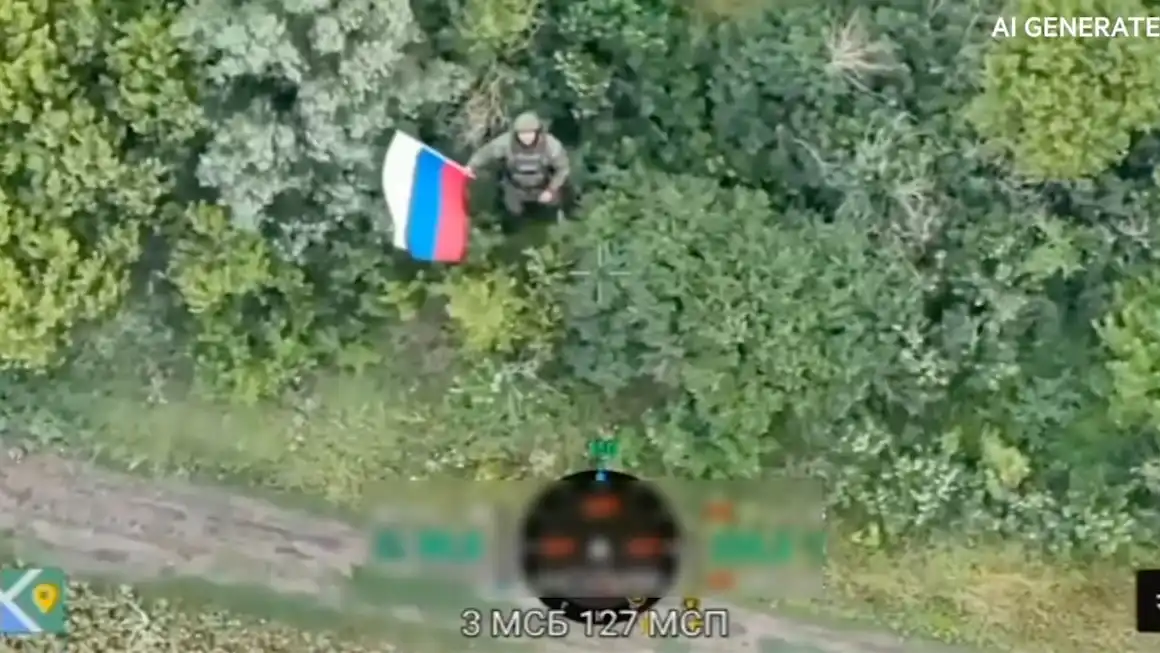
In an increasingly digitized landscape of modern warfare, the Russian military and its allied pro-war bloggers have begun leveraging advanced deepfake technology to manipulate public perception. Recent investigations by independent researchers have uncovered a pattern of video content that appears to have been artificially altered to fabricate scenes of battlefield success. This development marks a significant escalation in the information war, moving beyond simple propaganda into the realm of synthetic media designed to deceive observers and boost morale among domestic audiences.
The phenomenon is not isolated to official state channels but is being actively propagated by a network of pro-war military bloggers who hold significant sway over online discourse in Russia. These influencers, who often operate with tacit support or coordination from military units, are posting videos that claim to show Russian forces achieving tactical victories. However, forensic analysis by digital researchers suggests that many of these clips are not authentic recordings but rather computer-generated fabrications that mix real and fake elements to create a convincing narrative of success.
Technical Manipulation and Visual Evidence
The deepfake videos in question typically feature soldiers, military equipment, and combat scenarios that are visually plausible but factually incorrect. Researchers have pointed out specific anomalies in the footage, such as inconsistent lighting, unnatural movements, and background details that do not align with known geographical or temporal contexts. These technical flaws, while potentially subtle to the untrained eye, serve as critical indicators for experts analyzing the authenticity of the content. The use of such technology allows for the creation of highly realistic scenarios without the need for actual footage from the front lines, which may be scarce or controlled by military censors.
This trend highlights the growing accessibility of deepfake technology and its potential for misuse in geopolitical conflicts. By utilizing these tools, actors can generate content that supports specific narratives without the constraints of reality. The videos often depict scenes that align with official statements or desired outcomes, reinforcing a narrative of strength and progress. This strategy is part of a broader information operation aimed at maintaining public support for the ongoing conflict and countering negative reports from independent sources.
Implications for Information Integrity
The circulation of these manipulated videos poses significant challenges for journalists, researchers, and the general public. As deepfake technology becomes more sophisticated, distinguishing between authentic and fabricated content becomes increasingly difficult. This erosion of trust in visual evidence can have profound implications for the understanding of global events, as audiences may struggle to verify the truth behind viral clips. The inability to authenticate content in real-time can lead to the spread of misinformation and the manipulation of public opinion on a large scale.
Furthermore, the use of deepfakes by military and pro-military actors raises ethical and legal questions regarding the dissemination of false information. While the primary goal may be to boost domestic morale, the long-term effects on international relations and conflict resolution remain uncertain. The normalization of synthetic media in warfare could lead to a future where visual evidence is no longer considered reliable, fundamentally changing how conflicts are reported and understood by the global community.
Key takeaways
- Researchers have identified deepfake videos being used by Russian military units and pro-war bloggers to claim battlefield success.
- The manipulated content features fabricated scenes of military victories that lack factual basis.
- Forensic analysis reveals technical anomalies in the videos, such as inconsistent lighting and unnatural movements.
- This trend reflects the growing use of synthetic media in modern information warfare.
- The circulation of such content challenges the ability of the public and journalists to verify visual evidence.





