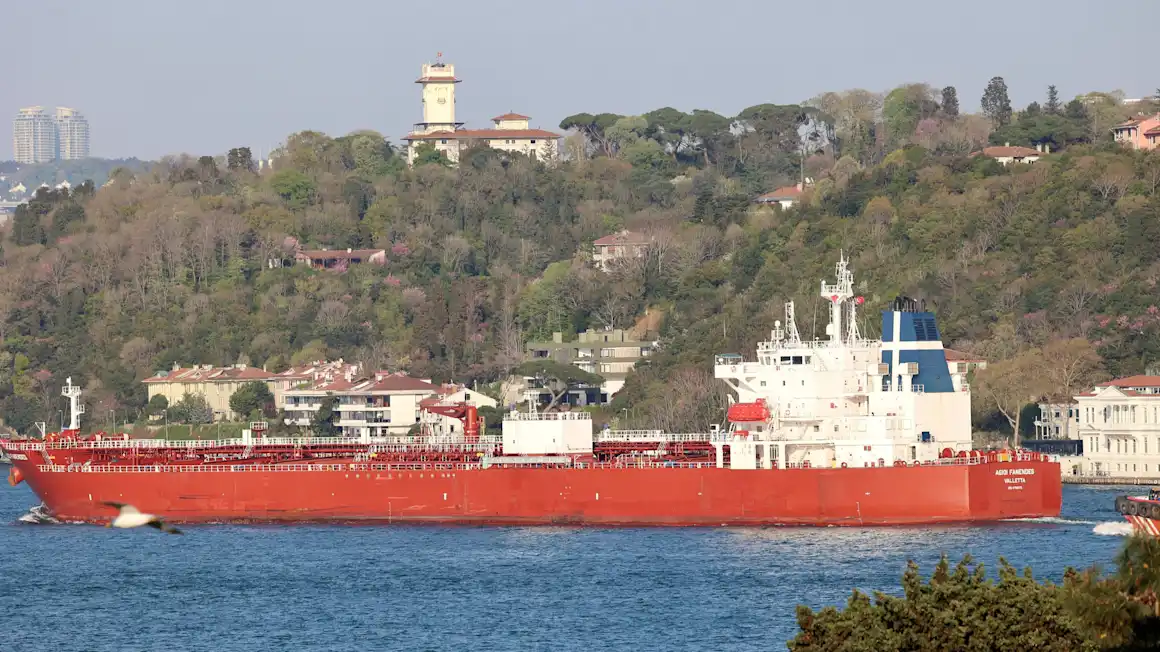
Sanctions Removal Drives Immediate Export Spike
In a significant shift in global energy trade dynamics, Russian diesel exports have reportedly doubled in recent weeks. This substantial increase comes directly after the lifting of certain sanctions that previously restricted the flow of these refined petroleum products. The move has immediately impacted global supply chains, with new data indicating a sharp rise in tonnage leaving Russian ports. Industry observers note that this surge was anticipated once the regulatory barriers were removed, allowing previously constrained volumes to re-enter the international market.
The timing of this export boost is critical. The relaxation of restrictions appears to have been a targeted policy adjustment rather than a broad easing of all energy-related sanctions. This specific carve-out has allowed Russian refiners to maximize output and push product abroad, capitalizing on existing demand in various global markets. The immediate effect has been a measurable jump in shipping volumes, altering the short-term landscape for diesel availability in regions that previously relied on other suppliers.
Geopolitical Tensions Threaten Supply Stability
However, the sustainability of this export surge is under serious scrutiny. Market analysts and energy experts caution that the increase in shipments is expected to be short-lived. The primary threat to continued production comes from the ongoing conflict in Ukraine, where Kyiv has resumed attacks on Russian oil refineries. These strikes target the very infrastructure responsible for producing the diesel now flooding global markets, creating a fragile supply environment.
The resumption of attacks on refineries introduces a significant variable of risk. Each strike has the potential to damage processing capacity, forcing closures or maintenance that would immediately curtail output. If these attacks intensify or successfully disable key facilities, the recent doubling of exports could reverse just as quickly as it began. This volatility underscores the precarious nature of Russian energy exports in the current geopolitical climate, where physical infrastructure is directly tied to military strategy.
Boost in shipments expected to be shortlived after Ukraine resumes attacks on refineries.
United States Remains Excluded from Trade
Despite the global surge in Russian diesel availability, the United States continues to receive none of these shipments. This exclusion highlights the continued effectiveness of broader sanctions regimes that specifically prohibit direct trade with Russian energy entities. While other nations may have navigated around specific restrictions or utilized the lifted sanctions to import diesel, the US market remains closed to these volumes.
This dichotomy between global availability and US exclusion creates a distinct market segmentation. American refiners and consumers are not benefiting from the increased global supply of Russian diesel, potentially maintaining higher costs or relying on alternative sources. The distinction emphasizes the fragmented nature of the post-sanctions energy market, where access is heavily dictated by national policy and geopolitical alignment rather than purely by market forces.
The interplay between lifted sanctions and renewed military strikes creates a complex outlook for the coming months. Investors and industry stakeholders are monitoring refinery damage reports closely, as any significant degradation in Russian processing capacity could lead to a sudden drop in exports. Conversely, if the refineries remain operational, the short-term abundance of diesel may persist, influencing global pricing and inventory levels.
Key takeaways
- Russian diesel exports have doubled following the lifting of specific sanctions.
- The United States continues to receive no direct shipments of Russian diesel.
- Analysts expect the surge in exports to be short-lived due to ongoing instability.
- Ukraine has resumed attacks on Russian oil refineries, threatening production capacity.
- The conflict introduces significant risk to the sustainability of current supply levels.





