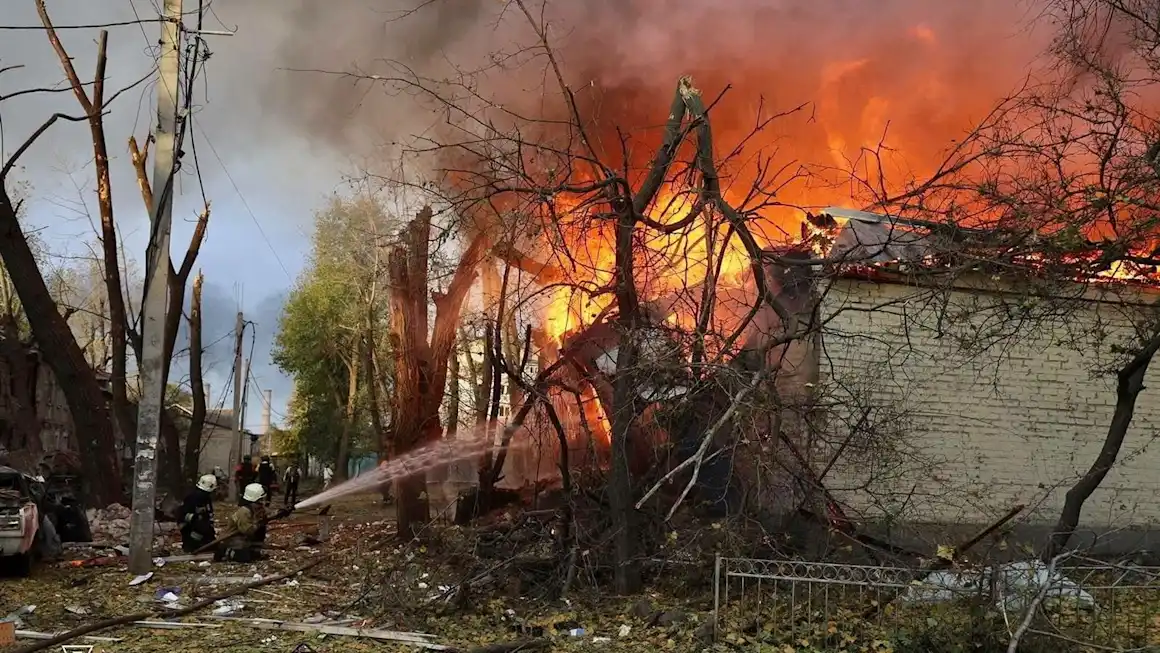
Widespread Infrastructure Damage
A coordinated and massive attack by Russian forces has severely impacted Ukraine's energy infrastructure, targeting power generation and distribution assets across multiple regions. The strikes hit power plants and substations in nine distinct areas, causing widespread disruptions to the national grid. This latest escalation marks a significant intensification in the targeting of civilian utility assets, aiming to cripple the country's electrical supply during a critical period.
The scale of the assault was extensive, with multiple high-value targets struck simultaneously. Reports confirm that both thermal power plants and electrical substations were hit, creating cascading failures throughout the affected regions. The destruction of these key nodes in the energy network threatens to leave millions of households and businesses without power for an extended duration, exacerbating the humanitarian and economic challenges already facing the nation.
Air Defense Overwhelmed
Ukraine's air force reported struggling to intercept the incoming barrage of missiles and drones. The sheer volume and variety of aerial threats launched by Russia appear to have saturated existing air defense systems. Interceptors were deployed in large numbers, but a significant portion of the projectiles breached the defensive perimeter, reaching their intended targets with devastating effect.
The inability to fully neutralize the aerial threat highlights the ongoing strain on Ukraine's military resources. With limited stockpiles of interception missiles and increasing wear on defense systems, the effectiveness of air defenses is under severe pressure. This failure to stop the strikes resulted in tangible physical damage to critical infrastructure, underscoring the vulnerability of the energy sector to sustained aerial bombardment.
The attack was characterized by the use of a hybrid swarm of technologies, including cruise missiles and various types of drones. This combination forces air defense operators to prioritize targets, often leading to the loss of higher-value assets like power infrastructure when lower-cost drones are used to deplete interceptor reserves. The tactical approach suggests a deliberate strategy to exhaust Ukrainian defenses before striking key economic targets.
Immediate Consequences for Power Supply
The immediate consequence of the strikes is a severe reduction in available power generation and transmission capacity. Regions directly affected by the hits to power plants and substations are likely experiencing rolling blackouts or complete power outages. The repair of damaged substations and generation facilities is a complex engineering challenge that requires specialized equipment and materials, which may be scarce or difficult to transport in the current conflict environment.
Energy experts warn that the damage inflicted today could have long-term implications for the stability of the national grid. Restoring full capacity may take weeks or even months, depending on the extent of the structural damage. The disruption also impacts industrial output, healthcare services, and daily life for citizens, adding another layer of pressure on the Ukrainian government and society.
As repairs begin, the focus will be on stabilizing the grid and restoring power to critical facilities first. However, the ongoing threat of further attacks means that repair efforts are operating in a high-risk environment. Each subsequent strike could undo previous recovery efforts, keeping the energy sector in a state of perpetual crisis and requiring constant adaptation and resilience from utility operators.
Key takeaways
- Russian forces launched a massive attack targeting power plants and substations across nine regions of Ukraine.
- Ukraine's air force reported significant difficulties in intercepting the diverse array of missiles and drones used in the assault.
- The strikes have caused substantial damage to critical energy infrastructure, threatening widespread and prolonged power outages.
- The hybrid nature of the aerial attack, combining drones and missiles, has overwhelmed existing air defense systems.
- Repair efforts face significant challenges due to the extent of the damage and the ongoing risk of further strikes.





