Sanctions Target Key Economic Figure
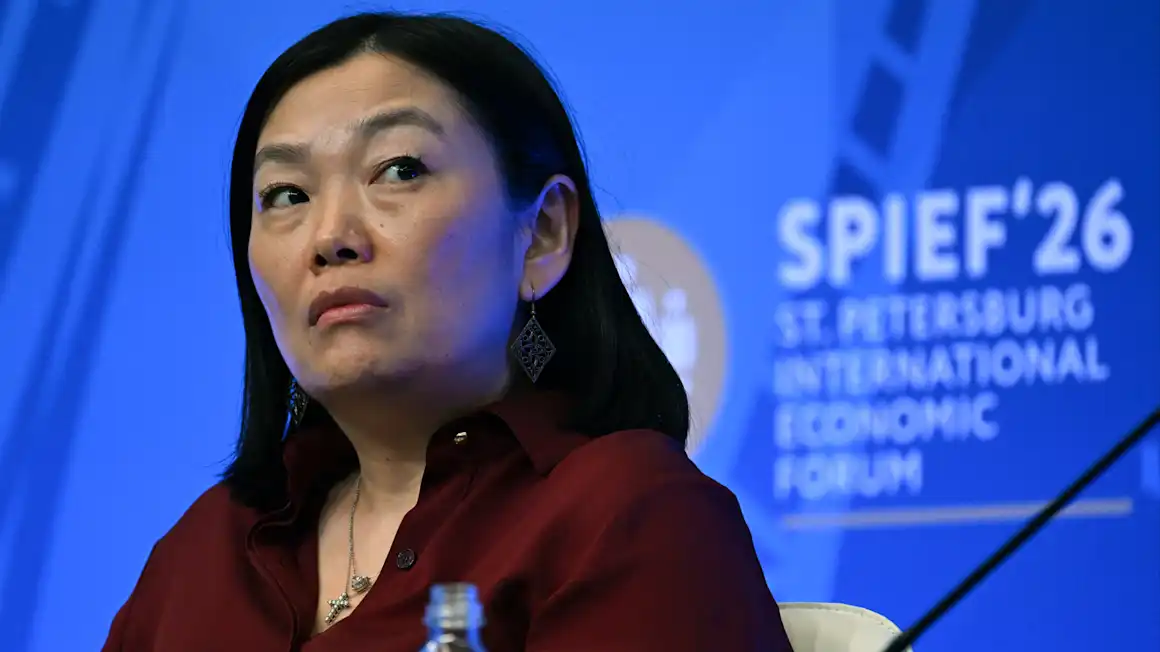
The European Union has officially added Russia’s wealthiest individual to its sanctions list, marking a significant escalation in the bloc's efforts to isolate the Russian economy. The target of the latest measures is the founder and owner of Wildberries, which stands as the country’s largest online retailer. This move is part of a broader strategy by EU member states to target individuals and entities that provide substantial support to the Russian government's actions.
The inclusion of this prominent business figure in the sanctions regime highlights the EU's intent to strike at the financial pillars of the Russian elite. By targeting the head of a major e-commerce platform, the sanctions aim to disrupt the flow of capital and limit the economic influence of those closely tied to the Kremlin. The decision underscores the growing complexity of international economic warfare, where retail and logistics giants are increasingly viewed as strategic assets.
Context of the Conflict and Economic Pressure
The sanctions are directly linked to the ongoing war in Ukraine, which has prompted a unified and harsh response from European nations. The EU has been steadily expanding its list of restricted individuals and organizations since the conflict intensified, with the goal of imposing maximum pressure on the Russian leadership. This latest round of measures is consistent with previous actions that have targeted oligarchs, government officials, and key sectors of the Russian economy.
Wildberries, as the dominant player in the Russian online market, plays a crucial role in the daily economic life of millions of consumers in the region. Its founder’s wealth and influence have long been subjects of international attention, particularly given the company's extensive reach and logistical network. The imposition of asset freezes and travel bans on the founder signals that no individual, regardless of their commercial stature, is immune to the consequences of the geopolitical situation.
Implications for Global Commerce
The sanctioning of Russia’s richest woman has immediate implications for global commerce and cross-border transactions. Financial institutions and businesses operating within the EU must now comply with strict regulatory requirements to avoid facilitating transactions with the sanctioned individual. This includes freezing any assets held within EU jurisdictions and prohibiting any form of economic engagement that could benefit the targeted entity.
For the broader market, this development reinforces the uncertainty surrounding the Russian economy. While the domestic impact of sanctions on major retailers like Wildberries remains to be fully assessed, the international isolation of such key figures often leads to operational challenges, including difficulties in accessing foreign technology and services. The move also serves as a warning to other business leaders in Russia, illustrating the severe personal and financial risks associated with their proximity to state power.
Looking Ahead
As the EU continues to refine its sanctions framework, further measures are likely to target additional sectors and individuals. The focus on high-profile business leaders suggests a strategy of increasing the personal cost of the conflict for those who benefit from the current economic structure in Russia. Monitoring the response from Russian authorities and the adaptation strategies of affected companies will be critical in understanding the long-term effects of these economic measures.
Key takeaways
- The European Union has sanctioned Russia's richest woman, the founder of Wildberries.
- Wildberries is identified as the largest online retailer in Russia.
- The sanctions are imposed in response to the ongoing war in Ukraine.
- The move targets individuals providing substantial support to the Russian government.
- Compliance with asset freezes and travel bans is now mandatory for EU entities.
- Global businesses face increased scrutiny regarding transactions with Russian elites.





