Geopolitical Shifts and Economic Diplomacy
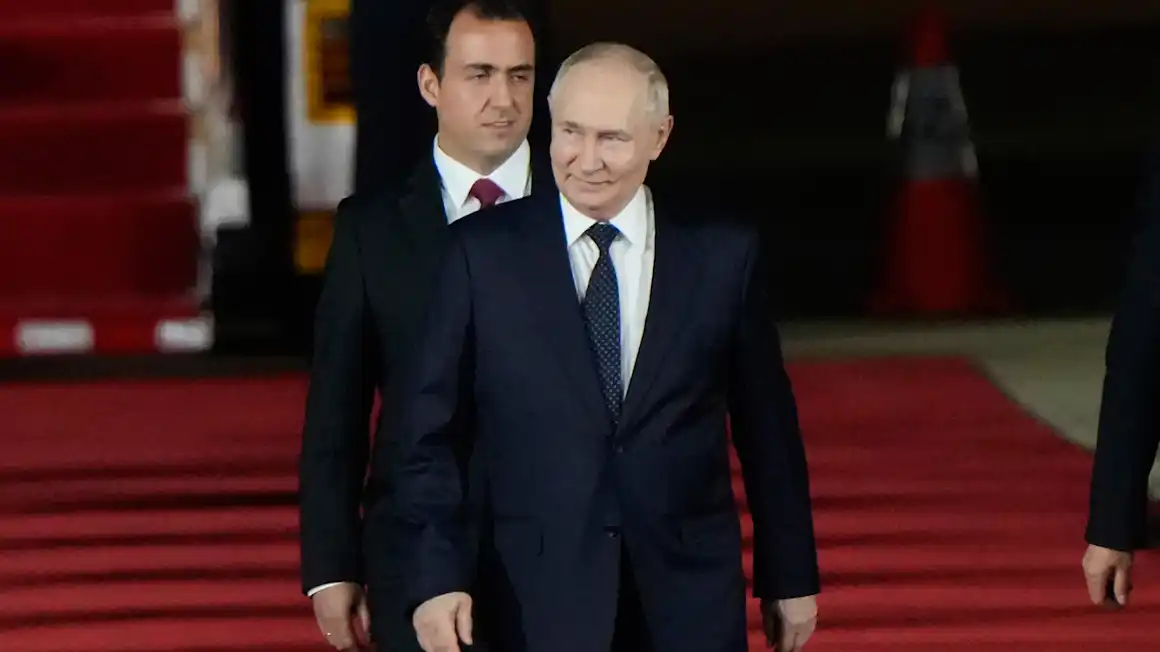
Russian President Vladimir Putin is set to deliver remarks to an assembly of chief executives in China, marking a significant moment in Moscow's ongoing efforts to maintain economic ties amid Western sanctions. The event serves as a precursor to a broader diplomatic engagement, positioning Russia within the orbit of a potential high-stakes meeting between Chinese President Xi Jinping and United States President Donald Trump. This gathering underscores the complex interplay between statecraft and global commerce, as world leaders navigate an increasingly fragmented international economic landscape.
The chief executives’ meeting is not merely a corporate networking event but a strategic platform for discussing investment climates, supply chain resilience, and bilateral trade opportunities. By inviting top business leaders, the Kremlin aims to reinforce its position as a critical node in global energy and resource markets, even as it faces continued isolation from traditional Western financial systems. The presence of these industry titans suggests a pragmatic approach to diplomacy, where economic interests often drive engagement more than ideological alignment.
Central to this diplomatic maneuvering is the context of a highly anticipated trilateral summit. While details regarding the specific agenda and timeline of the meeting between Xi Jinping, Donald Trump, and Vladimir Putin remain under development, the scheduling of Putin’s address to CEOs indicates a coordinated effort to align economic messaging ahead of high-level political talks. Such summits historically serve as backdrops for significant announcements regarding trade agreements, sanctions relief, or strategic partnerships that could reshape global market dynamics.
For the international business community, the implications are profound. Chief executives attending the event in China are likely to assess the stability of cross-border investments in the region and evaluate the potential risks associated with the upcoming political dialogues. The meeting highlights the growing importance of China as a neutral ground or facilitator in great power negotiations, reflecting its dual role as both a major economic power and a key geopolitical broker.
Market Implications and Strategic Outlook
The intersection of business and politics in this upcoming series of events raises questions about the future of global trade frameworks. Investors and analysts are closely monitoring how the dialogue between Putin, Xi, and Trump might influence commodity prices, particularly in the energy and agricultural sectors, where Russia and China hold significant leverage. Any shift in the tone of these negotiations could have immediate ripple effects across international markets, affecting everything from currency valuations to equity performance in multinational corporations.
Furthermore, the gathering serves as a reminder of the enduring capacity of state leaders to engage directly with the private sector to drive economic policy. In an era where supply chains are increasingly viewed through the lens of national security, the alignment of political rhetoric with business interests is crucial. The CEOs present in China will be assessing how best to navigate the regulatory environments of both Russia and China, while also considering the potential impact of US policy under the Trump administration.
As the world waits for the outcomes of the trilateral discussions, the current focus remains on the signals sent by these diplomatic engagements. The presence of Putin addressing global business leaders suggests a continued commitment to maintaining economic bridges, even in the face of geopolitical tension. This approach may encourage other nations and corporations to seek similar channels of communication, potentially leading to new forms of economic cooperation that bypass traditional Western-led institutions.
Looking Ahead
The coming weeks will be critical in determining the substance of the dialogue between the three leaders. While the CEO meeting provides a glimpse into the economic priorities of the involved parties, the actual trilateral summit will likely address the broader strategic issues that define current international relations. The outcomes of these engagements could set the tone for global economic policy for years to come, influencing everything from trade tariffs to technological cooperation.
Stakeholders across the financial and political spectrum are advised to watch these developments closely, as they represent a pivotal moment in the evolving relationship between the world’s largest economies. The ability of leaders to foster dialogue in such a complex environment will be tested, with significant consequences for global stability and prosperity.
Key takeaways
- Russian President Vladimir Putin is scheduled to address a meeting of chief executives in China.
- The business gathering takes place ahead of a highly anticipated trilateral summit.
- The summit will involve US President Donald Trump and Chinese President Xi Jinping.
- The event highlights the intersection of geopolitical diplomacy and global corporate interests.
- Investors are monitoring the potential impact on energy markets and international trade policies.





