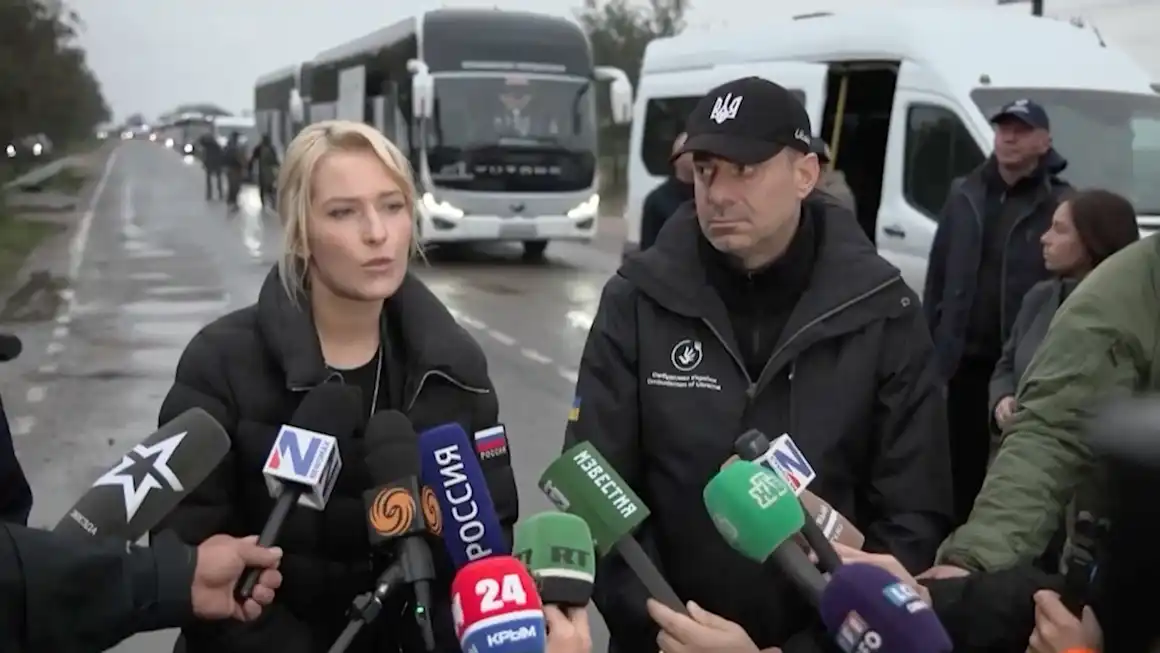
Humanitarian Corridor Established
In a significant deviation from the ongoing military engagements, Russian authorities have observed a rare ceasefire to facilitate the evacuation of civilians from the town of Oleshky. This temporary cessation of hostilities is specifically designated to allow for the safe repatriation of hundreds of residents currently held in Russian-occupied territory. The operation marks a distinct humanitarian effort amidst the broader conflict, prioritizing the movement of civilians over military objectives for a limited duration.
The evacuation protocol involves a complex logistical route. Residents departing from Oleshky will not travel directly to Ukraine. Instead, the repatriation process requires individuals to pass through Russian-controlled areas before entering Belarus. From there, they will be transferred to Ukrainian territory. This tripartite arrangement underscores the geopolitical complexities and the specific channels established for civilian movement between the conflicting parties and their allies.
Logistics and Scope of Repatriation
According to available reports, the number of individuals affected by this operation is in the hundreds. The specific demographic details of those being repatriated include long-term residents of Oleshky who have been unable to leave due to the occupation. The scale of the operation suggests a coordinated effort involving local authorities, humanitarian organizations, and potentially international mediators, although the primary facilitators remain Russia and Belarus.
The involvement of Belarus in this transit route is notable. As a key ally of Russia, Belarus serves as a critical transit hub for movements between Russian-controlled territories and Ukraine. The use of this corridor highlights the limited options available for civilian travel in the region and the reliance on established political and military alliances to execute such humanitarian tasks. The safety of the transit route is contingent upon the adherence to the ceasefire by all parties involved in the region.
Implications for Civilian Movement
This event represents one of the few instances where a ceasefire has been explicitly agreed upon for the purpose of civilian evacuation. Historically, humanitarian corridors in the region have faced challenges regarding security, timing, and access. The successful execution of this evacuation could set a precedent for future humanitarian operations, demonstrating that temporary truces are possible even in active conflict zones. However, the rarity of such events emphasizes the volatility of the situation and the exceptional nature of this agreement.
Observers note that the repatriation process is likely to be closely monitored by international bodies and humanitarian agencies. The focus will be on ensuring that the evacuation is conducted safely, without coercion, and that the individuals arriving in Ukraine are accounted for. The political implications of such an operation are also significant, as it involves the recognition of Russian control over Oleshky for the duration of the transit, a point that remains contested by Ukraine.
As the evacuations proceed, the international community continues to watch closely. The success or failure of this operation may influence future negotiations regarding civilian protection and the establishment of more permanent humanitarian channels. For now, the immediate priority is the safe passage of the hundreds of residents from Oleshky, a task that relies on the strict observance of the temporary ceasefire and the cooperation of all involved parties.
Key takeaways
- Russia has implemented a rare ceasefire to enable the evacuation of civilians from Oleshky.
- Approximately hundreds of residents from the occupied town are being repatriated to Ukraine.
- Evacuees must transit through Russian-occupied territory and Belarus before reaching Ukraine.
- The operation highlights the logistical complexities of civilian movement in the conflict zone.
- This event serves as a notable example of temporary humanitarian truces in the ongoing war.





