Geopolitical Tensions Rise
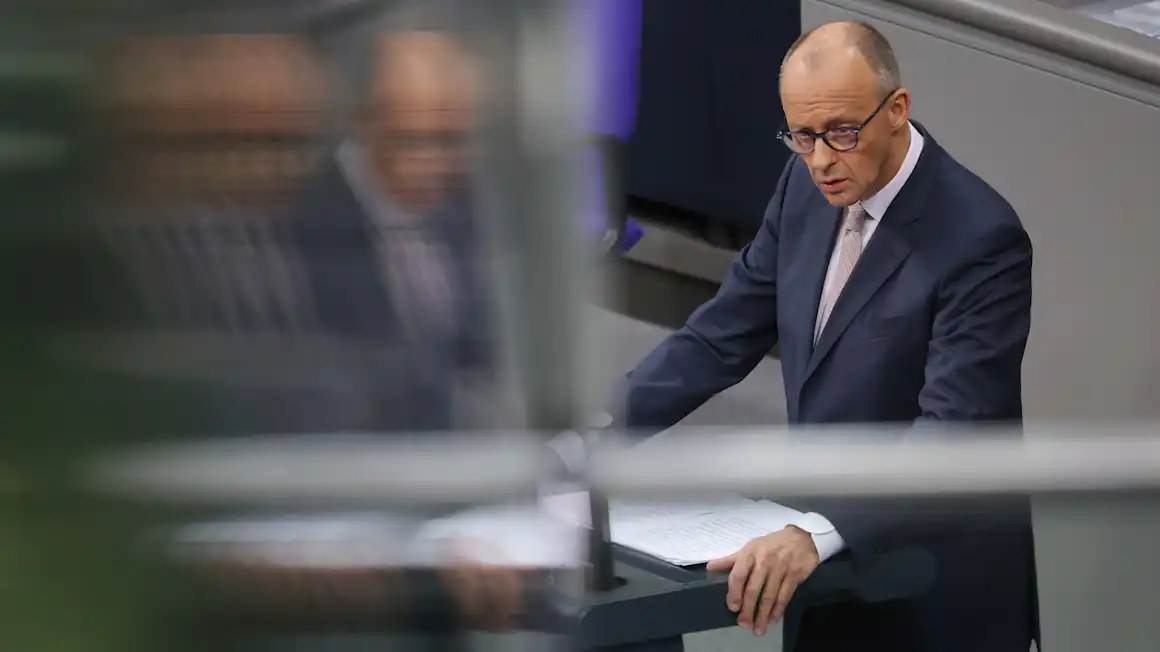
German Chancellor Friedrich Merz has intensified his rhetoric regarding the ongoing conflict with Russia, highlighting not only the traditional battlefield in Europe but also an emerging front in outer space. In a series of public statements, Merz sought to articulate the severity of the situation to a domestic audience that is increasingly skeptical about the duration and cost of supporting Ukraine. The Chancellor's address marks a significant escalation in the narrative surrounding the war, moving beyond immediate territorial concerns to broader strategic threats.
Merz emphasized that the conflict is no longer confined to the borders of Eastern Europe. He pointed to Russia's capabilities and actions in the space domain as evidence of a widening scope of hostility. This expansion into space represents a new dimension of geopolitical tension, suggesting that the implications of the war extend far beyond conventional military engagements. The Chancellor argued that ignoring these developments could have profound long-term consequences for global security.
A central challenge for the German government is managing public opinion. Merz acknowledged that the German population is becoming increasingly weary of the prolonged conflict. Surveys and political discourse indicate a growing segment of the electorate questioning the sustainability of financial and military aid to Kyiv. The Chancellor's primary objective in his recent communications was to counter this skepticism by reinforcing the necessity of continued support, framing it as a matter of national and European security rather than merely an international obligation.
The political landscape in Germany is complex, with various factions expressing divergent views on foreign policy. Merz's warnings are part of a broader effort to maintain a unified stance among political allies and the general public. By highlighting the multi-front nature of the threat, including the space component, the Chancellor aims to demonstrate that the stakes are higher than previously understood. This approach seeks to justify the ongoing resource allocation required to support Ukraine in its defense against Russian aggression.
The Space Dimension of Conflict
The mention of space as a theater of conflict adds a layer of complexity to the diplomatic and military discussions. Russia's actions in space, whether involving satellite interference, anti-satellite testing, or cyber capabilities targeting space infrastructure, pose risks to global communications and navigation systems. Merz's warning underscores the interconnectedness of modern security, where threats in one domain can quickly spill over into others.
Analysts suggest that the inclusion of space in the discourse reflects a strategic shift in how the conflict is perceived by Western leadership. It signals that the war is being viewed through a lens of total competition, where technological and informational domains are as critical as kinetic ones. This perspective aligns with broader NATO and EU strategies that emphasize the need for resilience across all sectors of society and infrastructure.
As the conflict continues, the German government faces the difficult task of balancing domestic political pressures with international commitments. Merz's warnings serve as a reminder that the situation is fluid and that underestimating the adversary's capabilities could lead to unintended consequences. The Chancellor is calling for a sustained and vigilant approach, urging citizens to remain informed and supportive of the efforts to contain Russian expansionism.
What Happens Next
The immediate future will likely see continued diplomatic efforts by German leadership to maintain coalition unity and public backing for Ukraine. As the war drags on, the pressure on governments to find a resolution or a sustainable path forward will increase. The space aspect of the conflict may lead to new international dialogues on the militarization of space and the establishment of norms to prevent further escalation.
Key takeaways
- German Chancellor Friedrich Merz warns of Russia's escalating conflict in Europe and space.
- Merz aims to convince a skeptical German population to maintain support for Ukraine.
- The conflict is described as expanding beyond traditional battlefield boundaries into the space domain.
- Domestic political skepticism in Germany poses a significant challenge to sustained aid efforts.
- The warnings highlight the strategic importance of monitoring multi-front threats.





