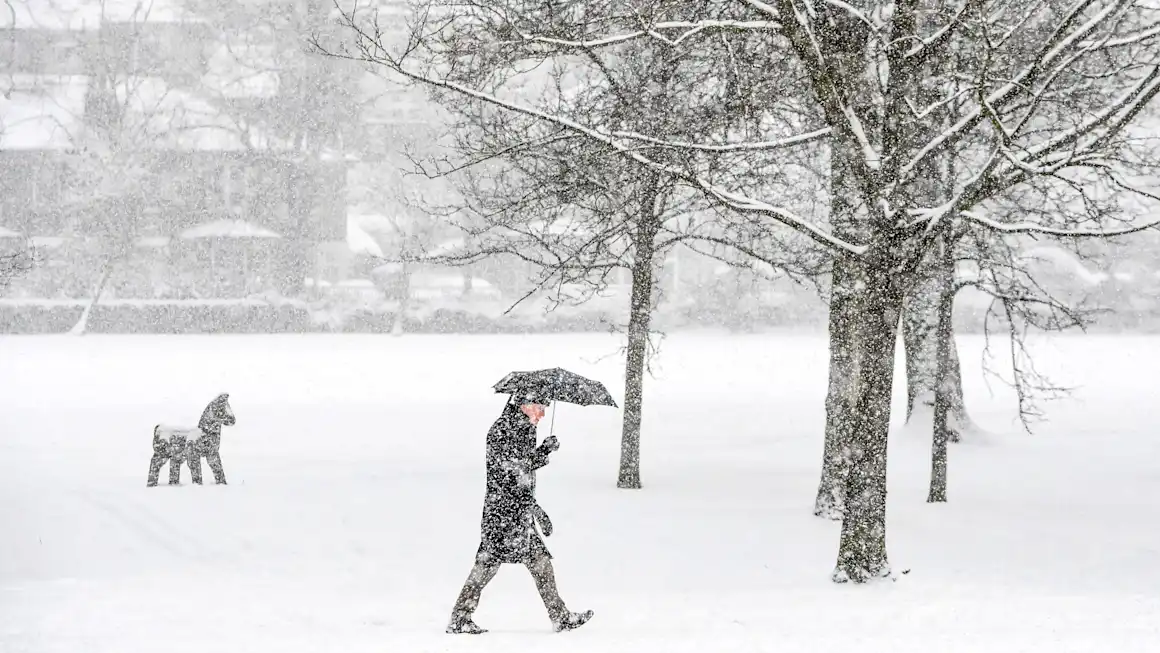
Atmospheric Shift Triggers Extreme Cold
The early collapse of the wind system that typically traps Arctic air has been identified as a critical factor in recent extreme weather patterns. This atmospheric disruption, described as a record polar vortex breakdown, signals a significant shift in global weather dynamics. The event is part of a broader trend of extreme atmospheric occurrences that have drawn increased attention from meteorologists and economic analysts alike.
The polar vortex is a large area of low pressure and cold air surrounding both of the Earth's poles. When stable, it keeps frigid Arctic air contained in the far north. However, when this system weakens or breaks down, as seen in this recent event, cold air can spill southward into mid-latitude regions, including North America and Europe. This breakdown is not merely a meteorological curiosity but a phenomenon with tangible consequences for energy demand, infrastructure, and economic stability.
Implications for Energy and Infrastructure
The implications of such extreme cold weather events are far-reaching. Energy markets often react swiftly to forecasts of severe cold, as demand for heating surges. Grid operators must prepare for increased load, and any failure in infrastructure can lead to widespread disruptions. Historical data suggests that extreme cold snaps can strain natural gas supplies and electricity grids, leading to price volatility and potential outages.
Infrastructure resilience is another critical concern. Roads, bridges, and transportation networks can suffer significant damage from freezing temperatures and ice accumulation. Municipalities may face increased costs for snow removal and emergency services. Businesses, particularly those reliant on supply chains, may experience delays and increased operational costs. The economic impact extends beyond immediate repair costs, potentially affecting productivity and consumer spending.
While the input does not provide specific quotes or named experts, the general consensus among atmospheric scientists is that such events are becoming more frequent or intense due to climate change. The Arctic is warming at a faster rate than the rest of the planet, which can weaken the polar vortex and make these breakdowns more likely. This scientific context underscores the importance of monitoring and adapting to these changing weather patterns.
Looking Ahead: What Happens Next?
As the polar vortex breakdown continues to influence weather patterns, attention will turn to how different sectors adapt. Energy companies are likely to adjust their strategies, focusing on storage and distribution efficiency. Governments may review infrastructure standards to ensure they can withstand extreme cold. Investors and analysts are closely watching these developments, as they can signal broader economic trends.
The breakdown also raises questions about long-term climate policy. If extreme weather events become more common, the need for robust adaptation strategies will grow. This could influence investment in renewable energy, grid modernization, and disaster preparedness. The economic implications of these shifts are significant, potentially reshaping industries and markets in the coming years.
Key takeaways
- The early collapse of the wind system trapping Arctic air has occurred, marking a record polar vortex breakdown.
- This atmospheric disruption is the latest in a series of extreme weather events with significant economic implications.
- Energy markets and infrastructure are particularly vulnerable to the impacts of severe cold weather.
- Climate change is cited as a potential driver for increased frequency of such atmospheric breakdowns.
- Adaptation strategies for infrastructure and energy distribution are becoming a critical focus for policymakers and businesses.





