Cyber Incursion Disrupts Military Operations
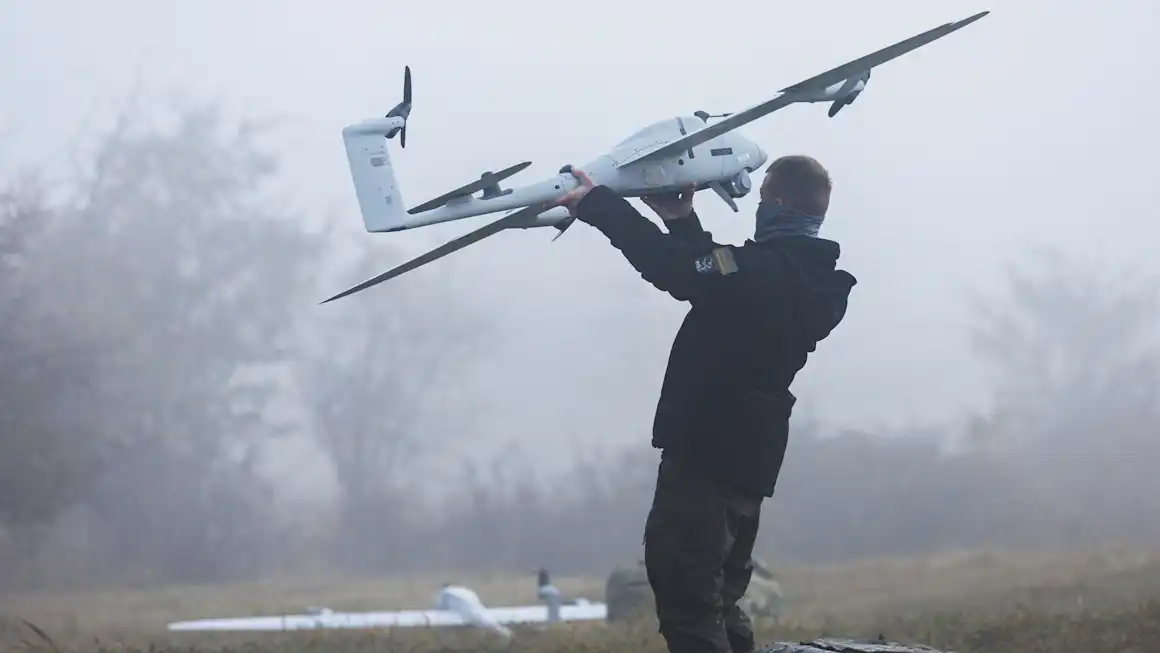
The German military, known as the Bundeswehr, has temporarily grounded its fleet of unmanned aerial vehicles (UAVs) following a cyber attack that compromised the systems provided by Quantum Systems. The startup, which holds a valuation of approximately €7 billion, is a prominent player in the European defense sector with active operations in Ukraine. This incident marks the latest in a series of security breaches targeting European arms manufacturers, raising urgent questions about the resilience of military supply chains in the face of modern digital threats.
Quantum Systems, a Berlin-based defense technology company, has been instrumental in supplying advanced drone technology to the Ukrainian military since the onset of the conflict with Russia. The company's rapid growth and high valuation reflect the intense demand for unmanned systems in contemporary warfare. However, the recent cyber attack has exposed potential vulnerabilities in the software and hardware infrastructure that underpin these critical defense assets.
While specific technical details of the breach remain under investigation, the immediate consequence has been the grounding of the drones. This operational halt prevents the Bundeswehr from utilizing the affected systems, disrupting planned activities and potentially impacting ongoing defense preparations. The decision to ground the fleet underscores the severity of the security compromise and the military's precautionary approach to safeguarding its operational capabilities.
Broader Implications for European Defense
This event is not isolated but rather part of a growing pattern of cyber attacks targeting European defense groups. Quantum Systems is the latest European arms manufacturer to fall victim to such intrusions, suggesting a coordinated or opportunistic campaign by state or non-state actors seeking to disrupt Western military support structures. The targeting of defense contractors and their supply chains has become a strategic avenue for adversaries to exert pressure without direct kinetic engagement.
The incident also highlights the complex interdependencies within the modern defense industrial base. As nations like Germany increase their military spending and procurement activities, particularly in response to the war in Ukraine, the attack surface for cyber threats expands. Defense startups and established contractors alike must navigate a landscape where digital security is as critical as physical production capabilities. The breach at Quantum Systems serves as a stark reminder that technological advancement in warfare brings with it heightened cybersecurity risks.
Quantum Systems' involvement in the Ukraine conflict has placed it in the spotlight. The company has been supplying drones that have been used in various combat roles, providing intelligence, surveillance, and reconnaissance capabilities. The grounding of these systems by the German military, which may have been involved in training or logistical support, could have indirect effects on the broader support network for Ukrainian forces. However, the primary impact remains within the German defense apparatus.
What Happens Next
In the aftermath of the cyber attack, Quantum Systems and the Bundeswehr are likely to conduct a thorough forensic analysis to determine the extent of the breach and the methods used by the attackers. This investigation will be crucial for developing countermeasures and preventing future incidents. The military may also reassess its procurement and cybersecurity protocols for all drone systems and related software.
The incident is expected to fuel ongoing debates in Berlin and Brussels regarding the security of defense technologies. Policymakers may consider stricter regulations or standards for cybersecurity in the defense sector, particularly for companies involved in international conflicts. The focus will likely shift towards ensuring that supply chains are not only robust but also resilient against sophisticated cyber threats.
For Quantum Systems, the challenge now is to restore trust and demonstrate that the necessary security enhancements have been implemented. As a high-profile defense startup, the company's reputation and future contracts may depend on its ability to address these vulnerabilities effectively. The incident underscores the need for continuous investment in cybersecurity infrastructure as defense technologies become increasingly integrated with digital networks.
Key takeaways
- The German military has grounded drones supplied by Quantum Systems following a cyber attack.
- Quantum Systems is a German defense startup with a €7 billion valuation and operations in Ukraine.
- The incident is the latest in a series of cyber attacks targeting European arms manufacturers.
- The grounding disrupts Bundeswehr operations and highlights vulnerabilities in military supply chains.
- The event raises concerns about the security of defense technologies in the context of the Ukraine war.