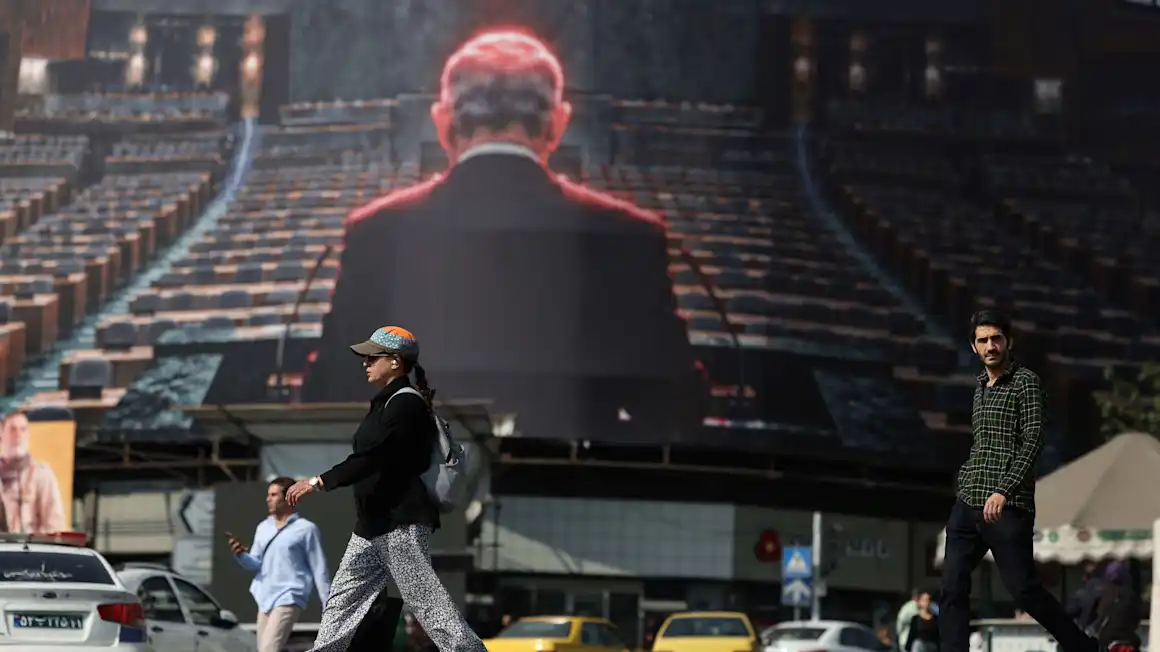
High-Stakes Diplomacy in Tehran
Qatari mediators have returned to Tehran in a significant diplomatic push aimed at brokering an interim deal between regional powers. This latest round of negotiations comes at a critical juncture, occurring just days before the United States holds its midterm elections. The timing suggests that both domestic political pressures in Washington and regional security concerns are driving the urgency of these talks. The primary objective is to de-escalate tensions that have been simmering for months and to prevent an intense new round of war that could destabilize the broader Middle East.
Preventing Regional Escalation
The talks are focused on establishing mechanisms to contain conflict and reduce the likelihood of direct military confrontation. Observers note that the threat of a wider war has grown more palpable as proxy conflicts in the region have intensified. By engaging directly with Iranian officials, Qatari mediators are attempting to create a framework that could limit military actions and foster communication channels between conflicting parties. The interim nature of the proposed deal indicates that while a comprehensive solution may not yet be within reach, immediate steps to cool tensions are deemed essential.
The involvement of Qatar underscores its role as a key neutral broker in Middle Eastern diplomacy. Doha has historically maintained relations with various factions across the region, allowing it to facilitate dialogue where other nations might face diplomatic hurdles. The return of mediators to Tehran signals a renewed commitment to these efforts, particularly as the window for diplomatic action narrows with the approaching US elections. The stakes are high, as a breakdown in talks could lead to a rapid deterioration of security conditions.
Election Timing and Strategic Implications
The proximity to the US midterm elections adds a layer of complexity to the negotiations. Political analysts suggest that the Biden administration is keen to avoid a major international crisis that could dominate the campaign narrative and impact voter sentiment. Conversely, any escalation could be exploited by political opponents to criticize current foreign policy strategies. Therefore, achieving even a limited interim agreement before the elections could serve as a diplomatic victory, demonstrating active management of global crises.
However, the success of these talks is not guaranteed. The underlying causes of the conflict remain unresolved, and deep-seated mistrust between the involved parties persists. The interim deal, if achieved, would likely focus on specific, actionable measures rather than broad political settlements. These measures might include prisoner exchanges, restrictions on certain military activities, or agreements to avoid targeting critical infrastructure. The goal is to create a buffer zone of stability that prevents the situation from spiraling out of control.
Regional actors are closely monitoring the developments in Tehran. Neighboring countries and global powers have expressed concern over the potential for spillover effects, including disruptions to energy supplies and increased refugee flows. The international community is urging all sides to exercise restraint and engage in good faith negotiations. The mediators are tasked with navigating these complex geopolitical dynamics while trying to find common ground among adversaries with divergent interests.
What Happens Next
As the talks proceed, the focus will be on drafting the specifics of the interim agreement. This includes defining the scope of the deal, establishing verification mechanisms, and determining the timeline for implementation. The outcome will depend on the willingness of Tehran and other key players to make concessions. If an agreement is reached, it will likely be announced in the coming days, providing a temporary reprieve from hostilities. If negotiations fail, the risk of renewed conflict increases significantly.
The international community will watch closely to see if this diplomatic effort can yield tangible results. The interim deal, if successful, could serve as a model for future negotiations on more complex issues. It would demonstrate that even in the face of deep divisions, dialogue and mediation can produce practical outcomes. The coming days will be crucial in determining whether these efforts will lead to a de-escalation or if the region is on the brink of a more severe crisis.
Key takeaways
- Qatari mediators have returned to Tehran to broker an interim deal aimed at preventing war.
- The timing of the talks is strategically aligned with the upcoming US midterm elections.
- The primary goal is to de-escalate tensions and prevent a broader regional conflict.
- Qatar continues to play a pivotal role as a neutral diplomatic broker in the Middle East.
- An interim agreement would likely focus on immediate conflict containment rather than long-term solutions.





