A Strategic Shift in Energy Trade
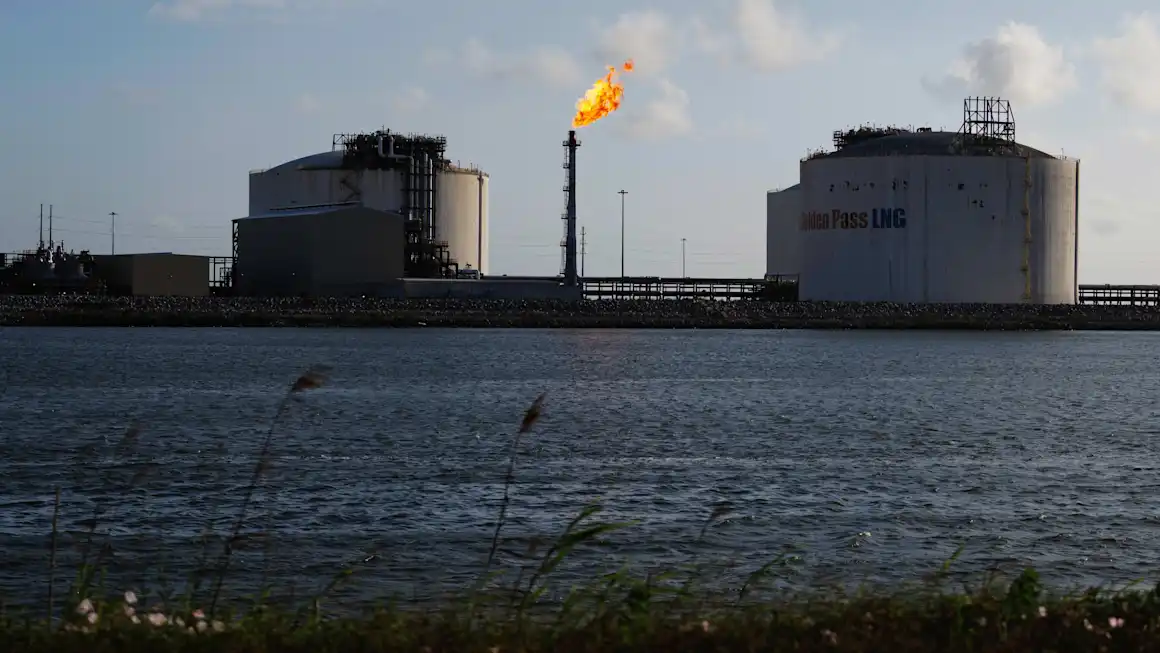
The global landscape of liquefied natural gas (LNG) trade is undergoing a significant transformation as Qatar prepares to assume the role of the world's largest purchaser of United States LNG. Historically recognized as the world's top producer of this critical energy commodity, the Gulf nation is now executing a strategic pivot that positions it as the primary consumer of American output. This development marks a departure from its previous standing as the leading exporter, highlighting a complex interplay between domestic industrial policy and international energy security.
Projections indicate that by 2033, Qatar will control the largest share of U.S. LNG output in terms of purchase volume. This forecast suggests a sustained and substantial increase in demand from Qatari entities for American gas supplies over the next decade. The shift is not merely a transient market fluctuation but appears to be the result of long-term structural changes in Qatar's energy sector and its broader economic diversification efforts.
Reorienting Industrial Priorities
The reasons behind this trade inversion are rooted in Qatar's evolving industrial strategy. As the nation seeks to expand its own LNG production capabilities, particularly through massive projects like the North Field expansion, it faces logistical and operational constraints that require external supplementation. By securing long-term supplies from the United States, Qatar aims to stabilize its domestic energy mix and support the growth of its petrochemical and industrial sectors without overextending its immediate export infrastructure.
This move also reflects the broader trend of energy interdependence among major global players. While Qatar remains a formidable exporter, its domestic consumption and industrial needs are growing at a pace that necessitates additional imports. The United States, having emerged as a global LNG powerhouse due to its abundant shale gas reserves, is well-positioned to meet this demand. The partnership between the two nations represents a mutual benefit, with the U.S. gaining a reliable, high-volume buyer and Qatar securing a stable energy supply for its industrial ambitions.
Analysts note that the scale of Qatar's purchasing power will have ripple effects across global LNG markets. As the largest buyer of U.S. output, Qatar's contracts will influence pricing dynamics and supply chain logistics in the Asia-Pacific and European markets. This role reversal from producer to top consumer challenges traditional perceptions of energy trade flows and underscores the fluidity of the global energy landscape.
The transition also highlights the importance of long-term contractual agreements in the LNG industry. Securing such a significant share of U.S. production requires complex negotiations and robust infrastructure planning. The involvement of major Qatari state-owned enterprises, such as QatarEnergy, in these transactions underscores the strategic nature of these deals. These agreements are likely to span decades, locking in supply relationships that will define the energy trade between the two nations for years to come.
Implications for Global Markets
The implications of Qatar becoming the world's biggest buyer of U.S. LNG extend beyond bilateral trade. For the United States, it validates the economic viability of its LNG export infrastructure and reinforces its role as a key energy supplier in the post-fossil fuel transition era. For Qatar, it represents a pragmatic approach to managing its vast resources while supporting its Vision 2030 goals of economic diversification and industrial growth.
Market observers will be closely monitoring how this shift affects global LNG spot prices and long-term contract rates. The concentration of demand in the hands of a single major buyer could potentially stabilize markets but also introduces new dependencies. The ability of the U.S. industry to scale production to meet Qatar's anticipated needs will be a critical factor in determining the success of this arrangement.
As the world moves towards 2033, the dynamics of LNG trade will continue to evolve. The rise of Qatar as the top purchaser of U.S. gas serves as a bellwether for other nations that may seek to balance their own energy security with industrial expansion. This development reinforces the notion that energy trade is increasingly characterized by complex, multi-directional flows rather than simple exporter-importer relationships.
Key takeaways
- Qatar is projected to become the world's largest buyer of U.S. liquefied natural gas by 2033.
- The Gulf nation was previously the world's top producer of LNG before shifting its focus to domestic consumption and industrial growth.
- Qatar will control the largest share of U.S. LNG output, indicating a significant increase in demand for American gas supplies.
- This shift reflects Qatar's strategy to support its expanding industrial sector while managing its own production capabilities.
- The arrangement underscores the growing interdependence between U.S. producers and major Gulf consumers in the global energy market.





