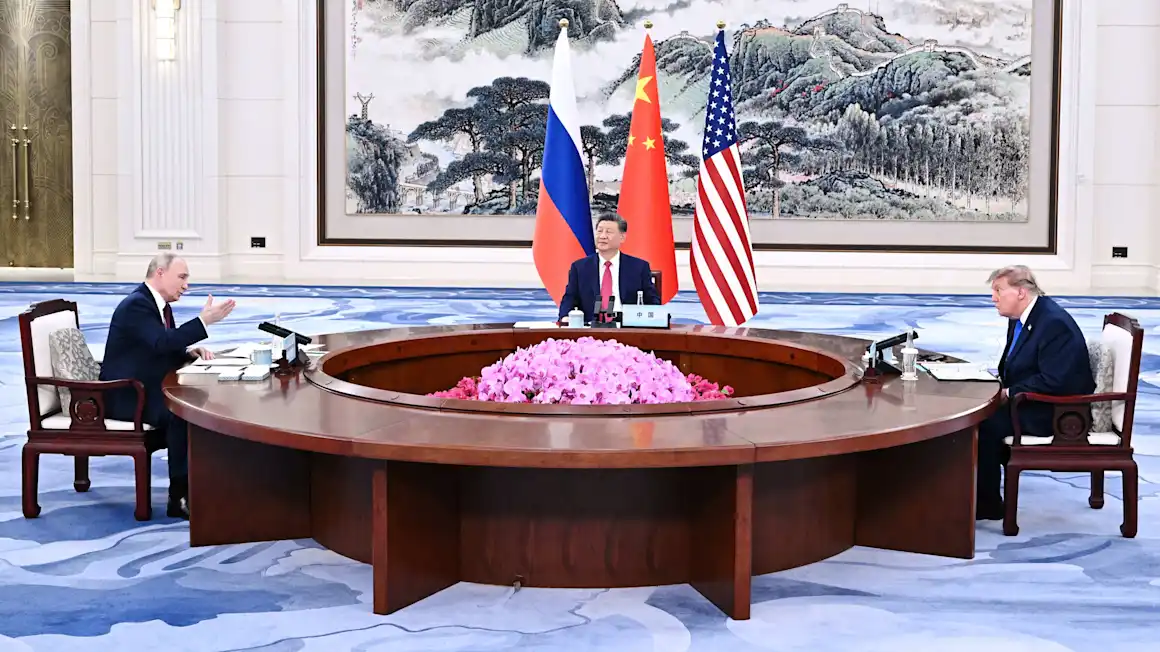
Geopolitical Shifts in Shenzhen
The recent trilateral summit held in Shenzhen has concluded with significant geopolitical ramifications, positioning Vladimir Putin as the primary beneficiary of the diplomatic engagements. The meeting, which brought together key international stakeholders, has been interpreted by analysts as a moment where the Russian leader gained substantial strategic leverage. This outcome suggests that the diplomatic framework established or discussed in Shenzhen may inadvertently strengthen Russia's position on the global stage, altering the traditional balance of power dynamics that have characterized recent international relations.
Observers note that the proceedings in Shenzhen did not result in the concessions or diplomatic wins typically associated with Western-led initiatives. Instead, the atmosphere and outcomes of the summit appear to have validated certain Russian foreign policy objectives, or at least provided a platform that allowed the Kremlin to project strength and continuity. This emboldening effect is seen not merely as a tactical victory but as a structural shift that could influence future negotiations and alliances across multiple theaters of international conflict and cooperation.
European Diplomatic Reassessment
In response to the developments in Shenzhen, European governments are now tasked with laying the groundwork for serious diplomacy. The realization that previous diplomatic approaches may have been insufficient or counterproductive has triggered an internal review within European capitals. Policymakers are under pressure to develop new strategies that can effectively engage with Russia and other global powers without ceding strategic advantage. This involves a complex recalibration of diplomatic tools, economic levers, and security commitments.
The phrase 'laying the groundwork' implies a long-term strategic effort rather than a quick fix. European officials are likely to focus on strengthening internal cohesion, enhancing economic resilience, and forging new partnerships that can counterbalance the gains made by Russia during the Shenzhen summit. This process will require careful navigation of domestic political pressures and international expectations, as any misstep could further isolate European nations or weaken their negotiating position in future trilateral or multilateral forums.
The emphasis on 'serious diplomacy' suggests a move away from symbolic gestures or short-term political wins toward substantive, long-term engagement. This may include renewed efforts to establish communication channels, clarify red lines, and explore areas of potential mutual interest, even amidst ongoing tensions. The goal is to create a diplomatic environment where European interests can be protected and advanced without relying solely on coercive measures or military posturing.
Implications for Global Stability
The emboldenment of the Russian leader has broader implications for global stability. It may encourage more assertive behavior in other regions, testing the resolve of Western allies and their partners. The Shenzhen summit serves as a case study in how diplomatic engagements can be perceived differently by various stakeholders, with one party gaining confidence while others face the challenge of redefining their approach.
As Europe works to adjust its strategy, the international community will be watching closely. The outcome of these diplomatic efforts will likely influence not only the trajectory of the current geopolitical conflicts but also the structure of international institutions and alliances for years to come. The shift in momentum observed in Shenzhen underscores the need for adaptability and strategic foresight in modern statecraft.
Key takeaways
- Vladimir Putin is identified as the real winner of the trilateral summit held in Shenzhen.
- The summit outcomes have emboldened the Russian leader, altering the perceived balance of diplomatic power.
- European nations are now required to lay the groundwork for serious, substantive diplomacy in response.
- The event signals a shift in geopolitical leverage that impacts global stability and alliance dynamics.
- European policymakers are reassessing strategies to counteract the gains made by Russia during the talks.





