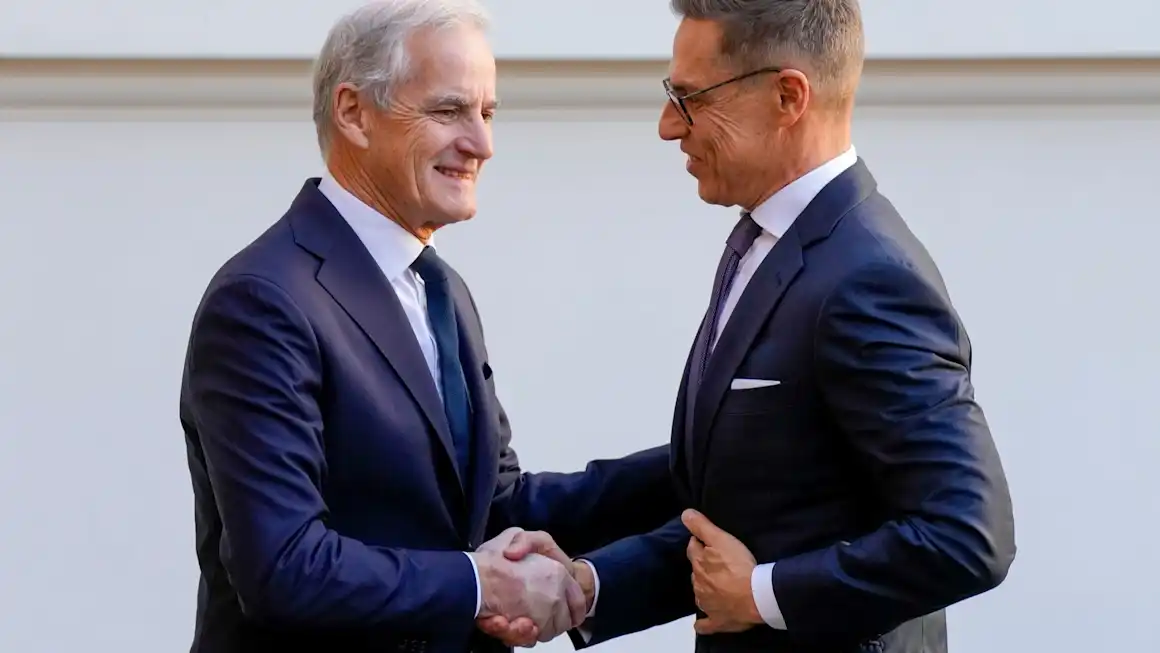
Diplomatic Thaw in the Arctic Region
In a significant development that signals a potential shift in diplomatic protocols, Russian President Vladimir Putin has initiated direct telephone communications with the leadership of Norway and Finland. This series of calls represents the first contact at the presidential level between Russia and these two nations in more than twelve months. The timing of these interactions is particularly notable, occurring just as the international community anticipates high-stakes negotiations between Moscow and Kyiv.
Finland, which joined NATO in April 2023, and Norway, a founding member of the alliance since 1949, have maintained a firm stance against Russia's military actions in Ukraine. Prior to this week, diplomatic channels between the Kremlin and these northern neighbors had been largely frozen, reflecting the deep geopolitical fractures caused by the ongoing conflict. The resumption of dialogue suggests a tactical recalibration by the Russian leadership to address security concerns directly with its immediate northern neighbors.
Context of Upcoming Peace Talks
The diplomatic engagement is not occurring in a vacuum but is closely tied to the broader geopolitical landscape surrounding the war in Ukraine. Reports indicate that Russia and Ukraine are currently preparing for peace talks that have been brokered by the United States. While specific details regarding the agenda, location, or timeline of these negotiations have not been fully disclosed, the preparatory phase involves intense diplomatic maneuvering among key stakeholders.
For Finland and Norway, engaging with the Kremlin at this juncture serves multiple strategic purposes. For Finland, it provides a channel to discuss border security and regional stability directly with Moscow, potentially mitigating tensions that have arisen since its accession to NATO. For Norway, it offers an opportunity to reinforce alliance cohesion while simultaneously exploring avenues for de-escalation along its northern frontier with Russia.
The US-brokered nature of the upcoming talks places Washington in a pivotal role as a mediator. The involvement of the United States underscores the global significance of the conflict and the desire of Western powers to steer the resolution process. However, the bilateral calls between Putin and the Nordic leaders suggest that Moscow is also seeking to establish or re-establish direct lines of communication that bypass multilateral frameworks, potentially to secure specific concessions or clarify red lines before entering broader negotiations.
Implications for Regional Security
Analysts suggest that these calls could be a precursor to a more structured diplomatic engagement. By speaking with the leaders of NATO members, Putin may be testing the waters for how the alliance responds to Russian overtures. This could influence the dynamics of the upcoming US-brokered talks, as NATO's position on engaging with Russia will likely shape the broader Western response.
The security implications for the Arctic and Northern Europe are profound. Any reduction in tensions between Russia and its NATO neighbors could have ripple effects on military posturing in the region. Conversely, if these talks fail to produce tangible results, the diplomatic thaw may be short-lived, potentially leading to a renewed hardening of positions.
Observers note that the timing is critical. With peace talks on the horizon, the Kremlin may be attempting to isolate Ukraine diplomatically or to create a narrative that it is willing to engage with all parties, including those who have condemned its actions. The response from Oslo and Helsinki will be closely watched by other NATO capitals, as it sets a precedent for how member states handle direct engagement with Russia during active conflict.
Key takeaways
- Putin held telephone conversations with the leaders of Norway and Finland, marking the first high-level contact in over a year.
- The diplomatic outreach occurs as Russia and Ukraine prepare for peace talks brokered by the United States.
- Finland joined NATO in April 2023, significantly altering the security dynamic on Russia's northwestern border.
- The calls suggest a Russian strategy to re-establish direct channels with NATO members ahead of broader negotiations.
- The outcome of these interactions may influence the tone and structure of the upcoming US-mediated peace discussions.





