Direct Diplomatic Outreach to Europe
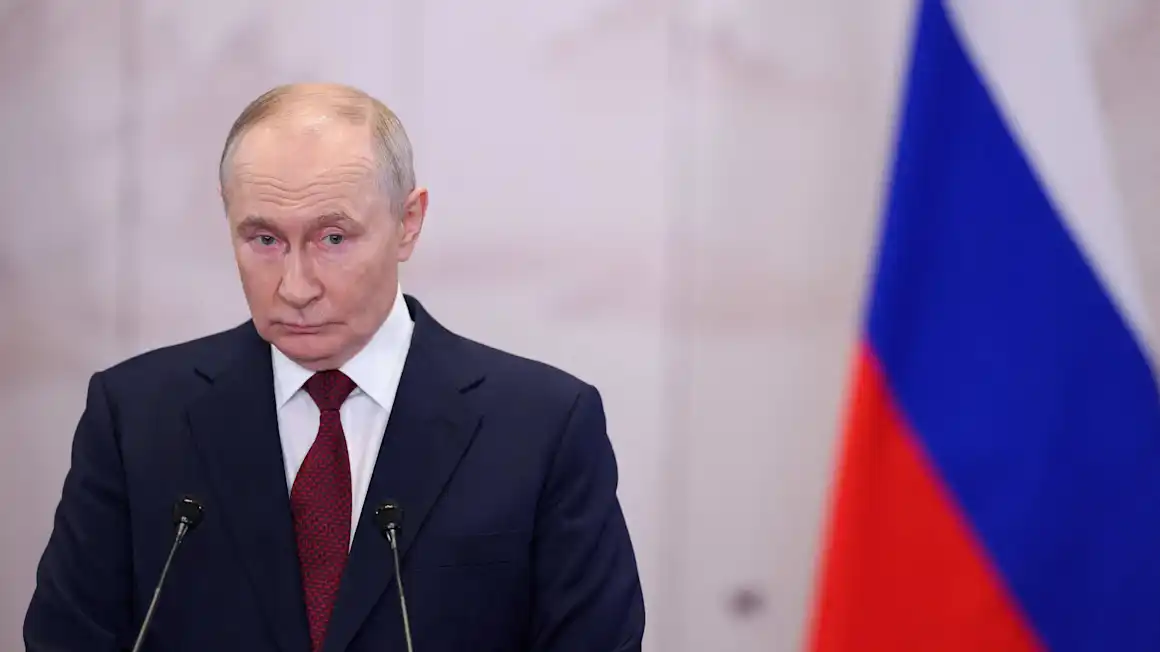
Russian President Vladimir Putin has formally invited leaders from various European nations to travel to Moscow for high-level discussions aimed at resolving the ongoing conflict in Ukraine. This diplomatic maneuver represents a significant shift in the Kremlin's approach, moving from isolated bilateral engagements with certain countries to a broader appeal targeting the European political establishment. The invitation underscores Moscow's desire to engage directly with European capitals, attempting to bypass or influence the collective stance of Western allies who have largely supported Kyiv.
The announcement comes amidst a prolonged period of military stalemate and intense geopolitical friction. By extending this offer, the Russian leadership is signaling its willingness to negotiate, yet simultaneously reinforcing the boundaries within which it expects those negotiations to occur. The invitation is not merely symbolic; it represents a concrete step in Russia's ongoing diplomatic strategy to fracture Western unity and establish a narrative that positions Moscow as the primary actor in determining the region's future stability.
Hardline Stance on War Termination
Despite the open door for dialogue, Russian leadership has made it clear that there will be no relaxation of its fundamental demands for ending the war. Putin's administration maintains that any potential agreement must align with Russia's strategic interests, which currently include the recognition of newly annexed territories and significant security guarantees that limit NATO's presence in Eastern Europe. This hardline position suggests that while Moscow is eager for talks, it is not prepared to compromise on the core objectives that have driven the conflict since its escalation.
The Russian president's signal of unwillingness to soften these demands serves as a warning to European leaders considering the invitation. It indicates that the Kremlin views the current situation as a fait accompli regarding territorial control and expects the West to accept these realities as a baseline for any future peace framework. This stance complicates the diplomatic landscape, as European nations have consistently reiterated that any peace settlement must respect Ukraine's sovereignty and territorial integrity, principles that are directly contradicted by Russia's current demands.
Analysts note that this move may be an attempt to place the burden of rejection on European leaders. If they decline the invitation, Moscow can frame the failure of negotiations as a result of Western intransigence rather than Russian intransigence. Conversely, if they accept, they risk legitimizing Russia's territorial gains or being drawn into a negotiation process where the terms are heavily skewed in Moscow's favor. The strategic calculus behind this invitation is therefore complex, involving both immediate diplomatic signaling and long-term geopolitical positioning.
Implications for Future Negotiations
The response from European capitals will be critical in determining the next phase of the conflict. Some nations may view the invitation as an opportunity to explore de-escalation channels, while others may see it as a tactical ploy to sow discord within the European Union and NATO. The diversity of opinions within Europe means that a unified response is unlikely, potentially leading to a fragmented diplomatic approach that Russia could exploit.
As of now, the specific dates and agenda for the proposed talks in Moscow remain undefined. The onus is now on European leaders to decide whether to engage in this direct dialogue or to maintain their current strategy of supporting Ukraine through military and economic aid while pursuing diplomatic solutions through multilateral frameworks. The coming weeks will be pivotal in shaping the trajectory of the conflict, as the international community watches to see how these overtures are received and whether they lead to substantive changes in the war's dynamics or merely serve as rhetorical tools in the ongoing information war.
Key takeaways
- Putin has formally invited European leaders to Moscow for talks regarding the war in Ukraine.
- The Kremlin signals an unwillingness to relax its hardline demands for ending the conflict.
- Russia maintains that any peace agreement must align with its strategic interests and territorial claims.
- European nations face a diplomatic dilemma between engaging directly with Moscow or maintaining a unified Western stance.
- The invitation may be an attempt to shift the narrative of negotiation failures onto Western intransigence.





