Elevated Fuel Costs and Economic Pressure
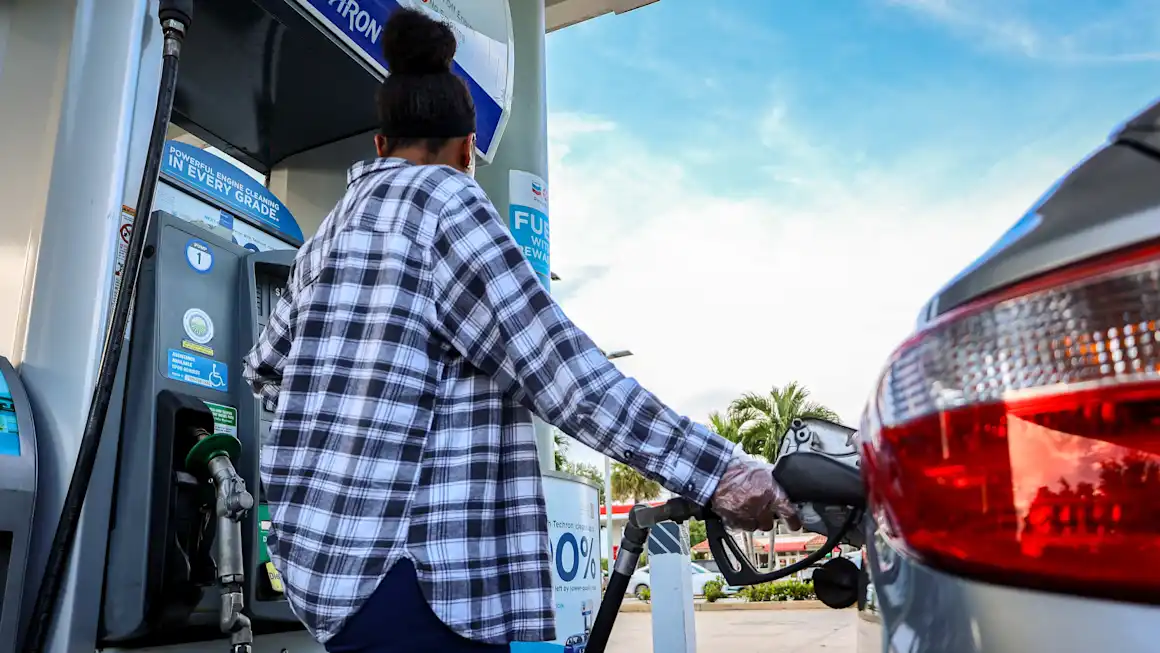
Average fuel costs are projected to reach record highs under a second Trump presidency, surpassing the price levels established during the Biden administration. This economic shift is occurring on the eve of the US midterm elections, a period where consumer affordability has emerged as a dominant theme in polling data. The potential for increased gasoline prices adds a layer of complexity to the political landscape, as voters weigh economic performance against other national issues.
The anticipated rise in petrol prices is tied to broader energy policy decisions that may accompany the administration's return to power. Historical data and current market analyses suggest that regulatory changes and trade policies could drive up the cost of fossil fuels. This trajectory places additional strain on household budgets, particularly for those who rely heavily on personal vehicles for daily commuting and logistics.
Impact on Midterm Polling and Voter Sentiment
As the midterm elections approach, affordability issues are dominating the narrative in Tuesday's polls. Consumer sentiment indices often correlate with fuel prices, as gasoline is a visible and frequent expense for millions of Americans. When prices spike, it can significantly influence voter perception of economic management, regardless of broader macroeconomic indicators such as employment rates or GDP growth.
Political analysts note that energy costs are a sensitive topic for swing voters. The projection that costs will rise above Biden-era levels serves as a potential liability for the Republican party, which typically champions deregulation in the energy sector. Conversely, Democrats may use these projections to highlight concerns about long-term economic stability and the impact of policy shifts on working-class families.
The timing of these price increases is critical. With the election imminent, any sudden jump in pump prices could overshadow other political developments. Voters are likely to be scrutinizing the economic platform of candidates, looking for tangible evidence of how energy policies will affect their personal finances. The interplay between political rhetoric and economic reality is expected to be a central point of contention in campaign trails across key states.
Market Implications and Future Outlook
Financial markets are already pricing in some of these expectations, with energy sector stocks showing volatility ahead of the election results. Investors are monitoring crude oil futures and refining margins closely, anticipating supply chain adjustments that could follow any change in federal energy policy. The potential for higher prices is not just a political issue but a significant economic variable that could influence inflation metrics in the coming months.
Experts suggest that the long-term impact of these price changes will depend on the specific legislative actions taken by the new administration. Whether through tax adjustments, export restrictions, or changes in environmental regulations, the policy tools available to the president will determine the extent of the price hike. Consumers and businesses alike are bracing for potential disruptions, with many already adjusting their spending habits in anticipation of higher costs.
The political ramifications extend beyond the immediate election cycle. If fuel prices remain high, it could shape the political discourse for years, influencing future elections and policy debates. The connection between energy affordability and political power is a recurring theme in American politics, and this election cycle is no exception. The outcome will likely reflect how voters balance their economic concerns with other priorities.
Key takeaways
- Average fuel costs under a second Trump presidency are projected to exceed levels seen during the Biden administration.
- Gasoline affordability is a dominant issue in Tuesday's midterm election polls, influencing voter sentiment.
- Political analysts warn that rising energy prices could significantly impact the outcome of key swing districts.
- Financial markets are reacting to the anticipation of policy changes that may drive up crude oil and gasoline prices.
- Consumer spending patterns may shift as households prepare for potential increases in daily transportation costs.





