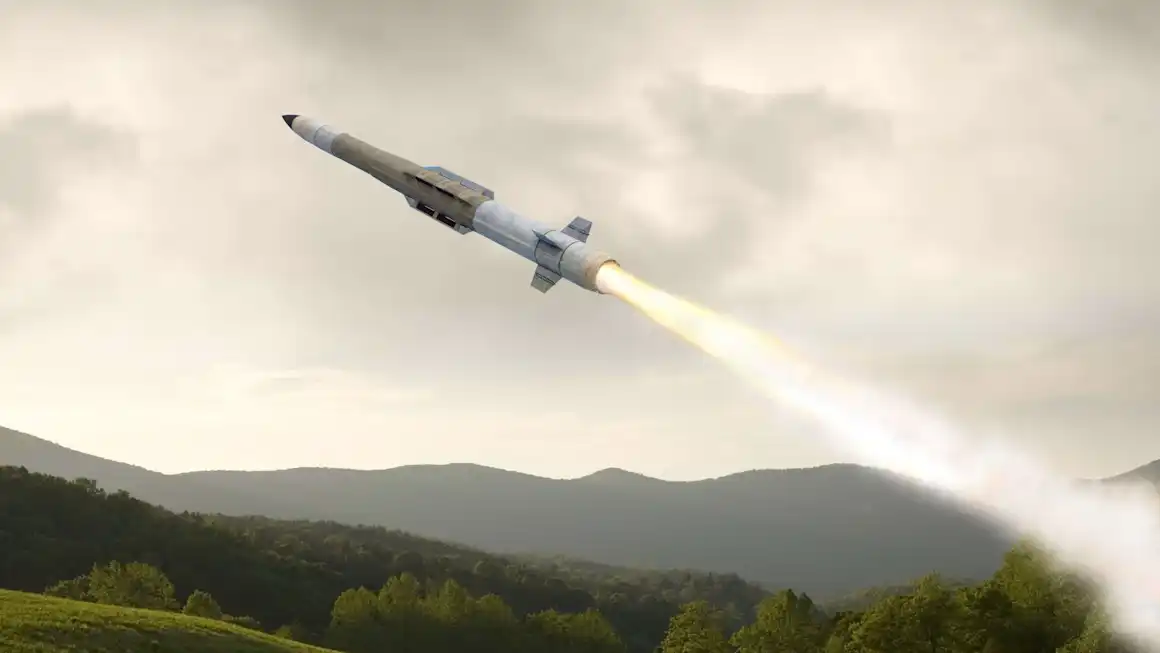
Strategic Pause in Air Defense Support
The United States has temporarily halted the shipment of critical air defense assets to Ukraine, specifically affecting the delivery of 60 Patriot missile interceptors. According to reports, US Defence Secretary Pete Hegseth has not yet provided the necessary sign-off to proceed with these transfers. This decision impacts both domestic stockpiles and interceptors designated for transfer from allied European arsenals, marking a significant development in the ongoing military aid framework.
The delay affects a substantial volume of defensive technology, including components drawn from European inventories. This highlights the interconnected nature of Western military support, where US coordination is often required to facilitate the movement of allied assets to the front lines. The specific interceptors in question are integral to the Patriot Air and Missile Defense System, a multi-layered defense network designed to protect against aircraft, cruise missiles, and tactical ballistic missiles.
Implications for Kyiv's Air Defense Capabilities
Patriot systems have been a cornerstone of Ukraine's air defense strategy since the escalation of hostilities. The interceptors are essential for shooting down Russian cruise missiles and ballistic missiles that target civilian infrastructure and military positions. A pause in the supply chain of these specific components could impact the operational readiness of existing Patriot batteries deployed in Ukraine, potentially creating gaps in the air defense umbrella if replacement parts or new missiles are not available to maintain continuous operations.
The involvement of European arsenals in this shipment underscores the broader coalition effort supporting Ukraine. Many Patriot missiles currently in use by Kyiv were provided by host nations such as Germany, the Netherlands, and Spain, often coordinated through US logistical channels. The requirement for Pentagon approval for these transfers suggests that the US administration is closely monitoring the allocation of these shared resources, possibly to ensure equitable distribution among allies or to assess current battlefield needs against global stock levels.
While the immediate effect is a delay rather than a cancellation, the lack of sign-off from Defence Secretary Hegseth introduces uncertainty into the timeline for reinforcements. Military analysts note that Patriot systems require a steady flow of interceptors to remain effective, as each battery can engage multiple targets simultaneously. The pause may force Ukrainian forces to conserve existing stockpiles, potentially limiting their ability to respond to sustained aerial attacks until the approval is granted.
The decision reflects a broader reassessment of military aid priorities by the new administration. Defence Secretary Hegseth has indicated a need to review the pace and scope of assistance, balancing support for Ukraine with domestic defense production capabilities and commitments to other global regions. This review process has resulted in the current hold on specific high-value assets, distinguishing this delay from previous, more routine approvals of military hardware.
Observers are watching closely to see how long this approval process will last. Historical precedents show that such reviews can last from several weeks to months, depending on the complexity of the request and the political climate. For Ukraine, any prolonged delay in receiving these interceptors could have tangible consequences for civilian safety and military positioning, particularly if Russia intensifies its aerial campaigns during the gap.
What Happens Next
The next step in this process is the explicit approval or rejection of the shipment request by the US Defence Secretary. Once Hegseth provides sign-off, the logistical machinery involving the US Department of Defense and allied European nations will resume the transportation of the interceptors to Ukraine. Until that moment, the 60 Patriot interceptors remain in storage, either in US depots or in the host countries of their origin, unable to be deployed to the conflict zone.
Stakeholders in the defense industry and allied governments are likely preparing for potential adjustments in the timeline of future aid packages. The delay serves as a reminder that military support is subject to ongoing political and administrative oversight, even for critical defensive systems. The situation remains fluid, with the final outcome dependent on the strategic decisions made within the Pentagon in the coming days or weeks.
Key takeaways
- US Defence Secretary Pete Hegseth has not yet signed off on the shipment of 60 Patriot missile interceptors to Ukraine.
- The delayed shipment includes interceptors sourced from both US stockpiles and European arsenals.
- Patriot systems are a critical component of Ukraine's air defense network against Russian aerial attacks.
- The delay creates uncertainty regarding the immediate operational readiness of existing Patriot batteries in Kyiv.
- The hold reflects a broader administrative review of military aid distribution and priorities by the new US defense leadership.





