The Dream of Endless Seas
For many retirees, the concept of spending one's golden years aboard a floating resort offers an escape from terrestrial responsibilities and a chance to explore the world without the burden of packing or unpacking. The Odyssey cruise line marketed itself as the premier option for this lifestyle, promising a continuous journey around the globe where passengers could live at sea indefinitely. The allure was strong enough to draw in thousands of individuals willing to commit significant portions of their retirement portfolios to secure a spot on the vessel. These passengers, many of whom had already sold their homes and severed ties with traditional land-based living, viewed the cruise not merely as a vacation, but as a permanent residence and a financial investment in their future quality of life.
The operational model relied on a steady stream of new passengers to replace those who disembarked or passed away, creating a self-sustaining ecosystem of tourism and hospitality. However, this model proved fragile when external economic pressures began to mount. The promise of a seamless, uninterrupted journey was built on the assumption of stable operational costs and consistent regulatory compliance across international waters and ports. For the passengers on board, the reality of the situation began to shift from a luxury lifestyle to a precarious legal and financial limbo as the ship's ability to maintain its course was compromised.
High Oil Prices Derail the Itinerary
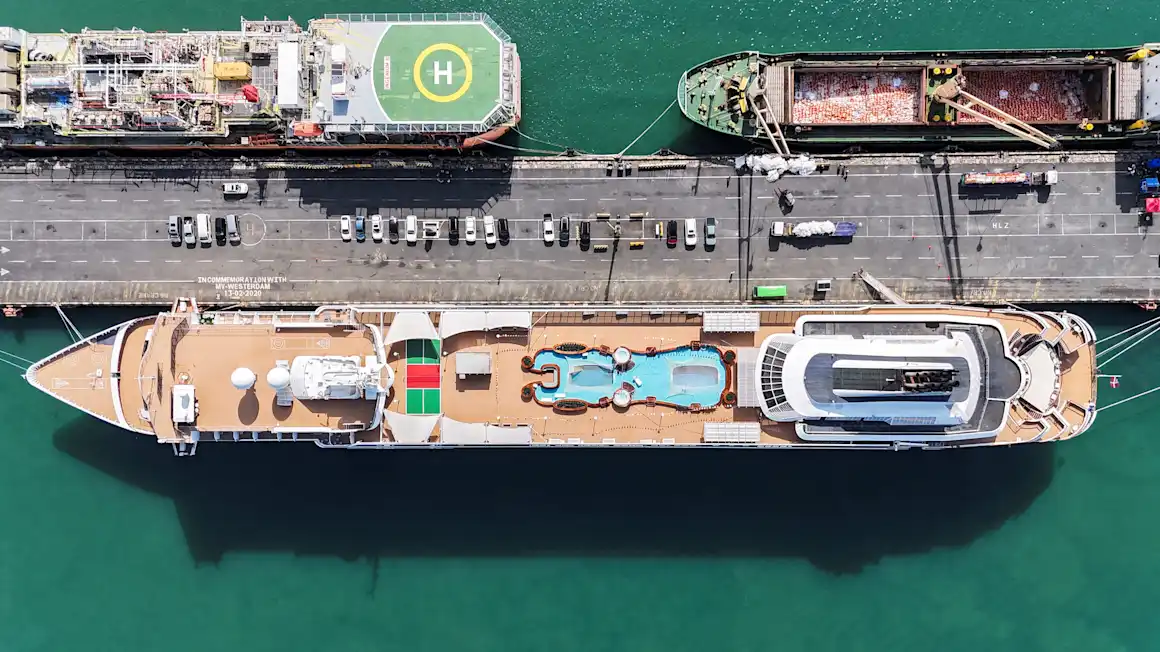
The primary catalyst for the disruption was a sharp increase in global oil prices, which drastically inflated the operating costs of large cruise vessels. The Odyssey, like many other maritime operators, faced a critical financial juncture where the cost of fuel began to outweigh the revenue generated from passenger fares and onboard services. This economic pressure forced the company to make difficult decisions regarding its route. Rather than continuing the global voyage at a loss, the company opted to alter its course, leading to the vessel docking in Sihanoukville, Cambodia, a port city that had recently become infamous for its role in facilitating online gambling and financial fraud operations.
The decision to divert to Cambodia was not initially framed as a permanent solution but rather a logistical necessity. However, for the passengers on board, the implications were severe. The high oil prices effectively ended the dream of a lifetime cruise, leaving the ship and its occupants in a jurisdiction with a weak regulatory framework. The passengers found themselves stranded, unable to continue their voyage and facing the prospect of being stuck in a location that offered few legitimate employment or legal recourse options. The transition from a floating home to a trapped resident in a scam town was swift and disorienting for those who had bet their futures on the sea.
Stranded in a Zone of Exploitation
Sihanoukville has emerged in recent years as a hub for various illicit activities, including illegal online casinos and scam centers that target both local and international victims. The presence of the Odyssey cruise ship in this area has drawn attention from investigators and journalists who have documented the plight of the passengers. Many of these retirees have found themselves isolated from their families and financial institutions, making them vulnerable to further exploitation. The combination of high fuel costs, the lack of a clear path forward for the cruise line, and the predatory nature of the local environment has created a crisis for those who believed they had secured their retirement.
The situation highlights the risks associated with non-traditional retirement investments that lack the protections of conventional financial instruments. Passengers who had liquidated their assets to fund their cruise lifestyles now face the challenge of repatriation or finding alternative means of support in a foreign country with limited infrastructure. The story of the Odyssey passengers serves as a cautionary tale about the intersection of economic volatility, regulatory gaps, and the human desire for a new beginning. As the oil market continues to fluctuate, the fate of these stranded individuals remains uncertain, with no clear timeline for when they might be able to return to their homes or resume their lives on land.
Key takeaways
- Soaring global oil prices forced the Odyssey cruise line to abandon its global itinerary due to unsustainable operating costs.
- Passengers who had committed their life savings to a lifetime sea voyage were left stranded in Sihanoukville, Cambodia.
- The diversion to Cambodia placed retirees in a region known for online gambling and financial scam operations.
- Many passengers have liquidated their assets and sold their homes, leaving them with no traditional retirement safety net.
- The incident underscores the significant risks of non-traditional retirement investments lacking regulatory protection.





