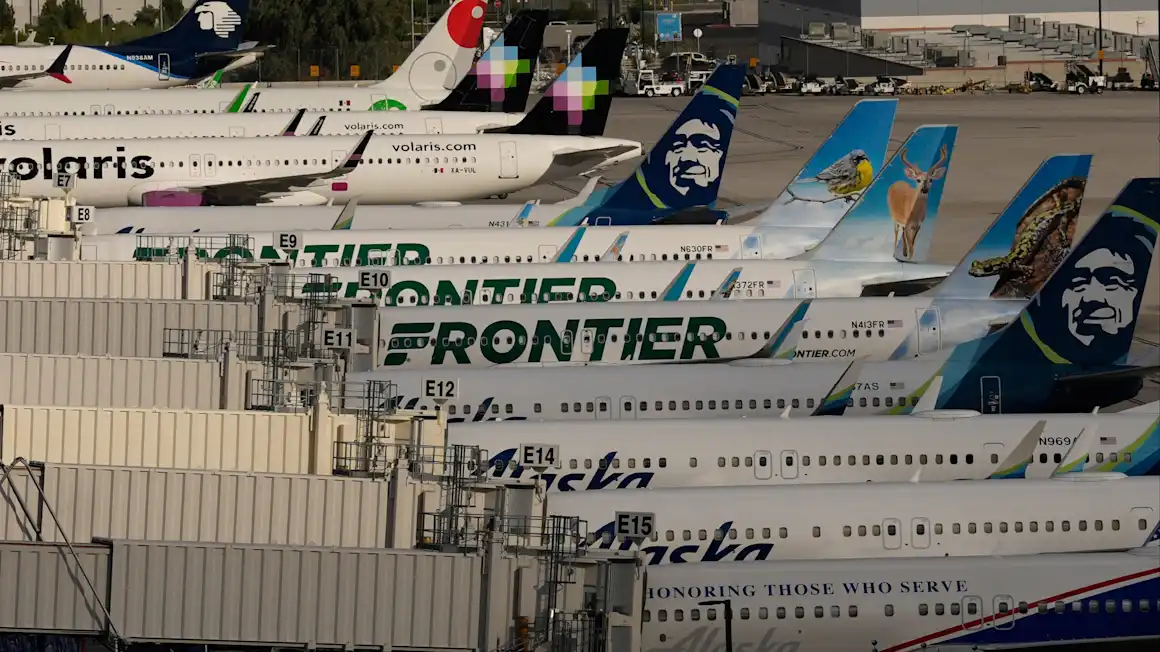
Systems Failure Leads to Ground Stops
A significant technical outage within the Federal Aviation Administration's (FAA) air traffic control infrastructure has triggered widespread disruptions to the national airspace system. The failure, which impacted the automation systems used by controllers to manage flight paths and airspace separation, resulted in a cascade of ground stops and flight cancellations across major airports throughout the United States. The incident underscores the critical reliance of modern aviation on complex digital infrastructure and the potential consequences of systemic technical failures.
Thousands of flights were affected by the outage, with many travelers facing extended delays or the need to rebook their journeys entirely. The disruption was not limited to a single region but rather had a national scope, impacting hubs in both the East and West Coasts as well as the Midwest. Airlines were forced to adjust their schedules dynamically, leading to a backlog that persisted well into the following days as the system struggled to clear the accumulated volume of grounded aircraft.
Impact on Travelers and Airlines
For passengers, the outage manifested as a chaotic experience characterized by long lines at ticket counters, crowded terminals, and uncertain communication regarding flight statuses. Many travelers found themselves stranded at airports with limited information on when their flights might resume. The economic impact on airlines is also significant, as ground stops and cancellations result in lost revenue, increased operational costs for repositioning crews and aircraft, and potential compensation liabilities under certain regulations.
Airlines responded by implementing contingency plans, which included rerouting flights where possible and canceling the most affected departures. However, the sheer scale of the disruption made it difficult for any single carrier to manage the fallout efficiently. Customer service centers at major airlines reported being overwhelmed with inquiries, further straining resources that were already stretched thin by the operational chaos. The situation highlighted the fragility of the just-in-time scheduling models that many airlines employ to maximize efficiency.
FAA Response and Investigation
The Federal Aviation Administration acknowledged the outage and confirmed that it was working to restore full functionality to its systems. Officials stated that the issue originated within the automation software that assists air traffic controllers in managing high-density airspace. While the FAA did not immediately provide a specific timeline for the root cause of the failure, it emphasized that safety remained the top priority and that manual procedures were being utilized where necessary to maintain separation between aircraft.
As the systems were gradually brought back online, the FAA implemented a flow control program to manage the reintroduction of flights into the airspace. This measure was designed to prevent the system from becoming overwhelmed again by the backlog of arriving and departing aircraft. The agency has indicated that a thorough review of the incident will be conducted to identify the specific technical failure and to implement safeguards against similar occurrences in the future. This includes an evaluation of the redundancy protocols currently in place within the air traffic control network.
What Happens Next
The immediate aftermath of the outage will see a gradual normalization of flight schedules, but residual effects are expected to linger for several days. Airlines must work through the backlog of canceled and delayed flights, which may require additional resources and crew adjustments. Travelers who were affected by the disruption are advised to check with their airlines for the most up-to-date information on their flight status before heading to the airport.
Industry analysts suggest that this event will likely spark renewed discussions about the resilience of the nation's air traffic control infrastructure. Calls for increased investment in system modernization and redundancy measures are expected to intensify in the wake of such a significant disruption. The FAA is likely to face scrutiny regarding its maintenance and update schedules for critical systems, as well as its ability to respond to and mitigate the impact of future technical failures.
Key takeaways
- A technical outage in FAA air traffic control systems caused widespread flight delays and cancellations across the US.
- Thousands of flights were disrupted, affecting travelers on both the East and West Coasts as well as the Midwest.
- Airlines implemented contingency plans including rerouting and cancellations, but customer service lines were overwhelmed.
- The FAA attributed the failure to automation software issues and has initiated a review of the incident.
- Residual effects on flight schedules are expected to persist for several days as the system clears its backlog.





