Strategic Financial Shielding
France and Germany have initiated a coordinated diplomatic and financial maneuver to insulate the European Union's long-term budget from the potential political upheaval of the upcoming French presidential election. Central to this strategy is a formal request for an additional €35 billion in funding specifically allocated for farmers. This significant financial injection is designed to raise the political and economic stakes associated with any attempt to dismantle the existing fiscal agreement, thereby creating a deterrent against populist scrutiny.
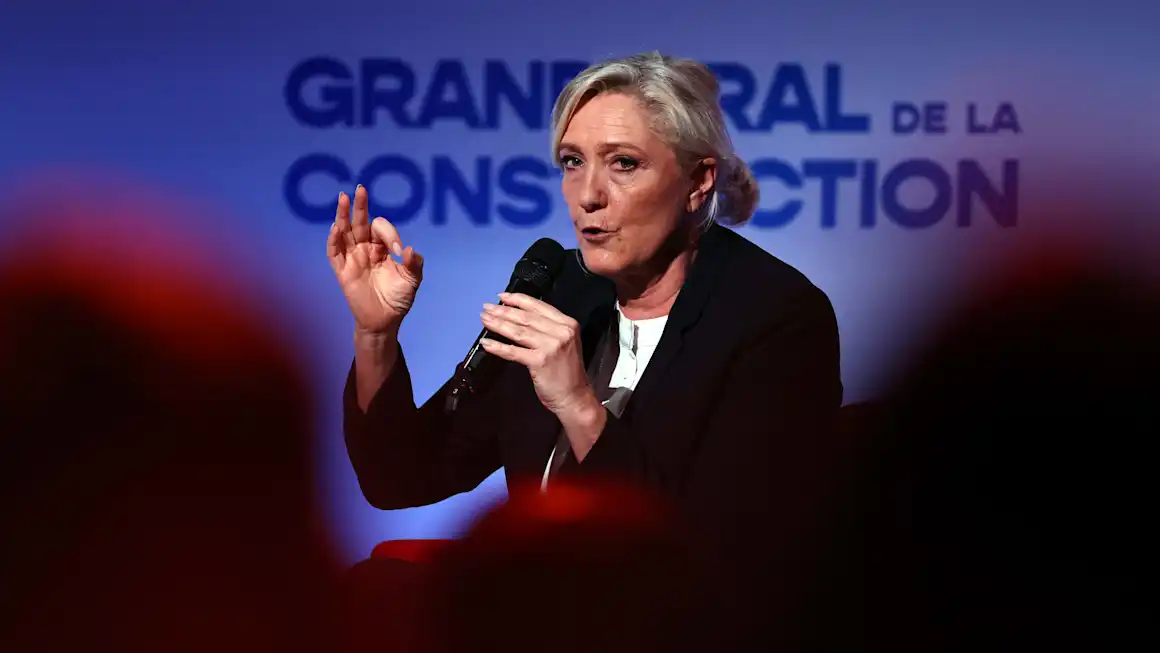
The move comes as political analysts warn that Marine Le Pen, the far-right leader of the National Rally, has consistently positioned herself as a critic of the EU's current financial framework. If she were to win the presidency, her administration could potentially seek to renegotiate or dismantle the multiannual financial framework (MFF) that governs EU spending. By strengthening the position of key beneficiary groups, such as the agricultural sector, Paris and Berlin aim to create a broader coalition of interest that would resist such dismantling efforts.
The €35 billion figure represents a substantial addition to the current budgetary allocations. This extra funding is not a general bailout but a targeted intervention intended to bolster the agricultural sector's financial stability. The logic underlying this approach is that farmers, as a significant and organized voting bloc, have a vested interest in maintaining the status quo. By ensuring their financial security, the EU's largest economies hope to neutralize one of the primary levers Le Pen could use to critique the bloc's fiscal policies.
Political Implications for the EU Budget
The request highlights the deep-seated anxiety within the EU establishment regarding the potential rise of nationalist leaders. Marine Le Pen has long advocated for a more sovereign France, often criticizing the financial contributions France makes to the EU and the benefits it receives. Her campaign rhetoric frequently targets the bureaucracy and financial obligations of the union, making the budget a central battleground in the election. The €35 billion top-up is an attempt to shift the narrative from fiscal burden to tangible benefit, aiming to show voters that the EU framework provides direct, measurable value.
Germany, traditionally the largest contributor to the EU budget, has aligned itself with France in this defensive posture. The collaboration between Paris and Berlin underscores the importance of the Franco-German engine in maintaining the stability of the European project. Any significant disruption to the budget could have ripple effects across the entire bloc, affecting cohesion policy, research funding, and infrastructure projects. The two nations are therefore acting in concert to preserve the institutional integrity of the EU.
While the request for additional funds is a proactive measure, it does not guarantee immunity from political change. The success of this strategy depends on the electoral outcome and the ability of the French government to effectively communicate the benefits of the EU budget to its citizens. If Le Pen wins, the new administration may still attempt to challenge the budget's legitimacy, regardless of the increased funding for farmers. However, the added financial layer makes such a move more costly and politically difficult for any future French leader.
The situation reflects the broader tension between national sovereignty and supranational integration. As populist movements gain traction across Europe, the EU's financial mechanisms are under increasing pressure. The €35 billion request is a symptom of this tension, illustrating the lengths to which member states will go to protect the existing order. It also raises questions about the sustainability of the EU's budgetary model, which relies heavily on the goodwill and cooperation of its largest contributors.
Key takeaways
- France and Germany have requested an extra €35 billion in funding for farmers to protect the EU budget.
- The move aims to deter Marine Le Pen from dismantling the budget if she becomes French president.
- Marine Le Pen has historically criticized the EU's financial framework and its impact on French sovereignty.
- The additional funding is targeted at the agricultural sector to create a broader coalition of support.
- The strategy highlights the vulnerability of the EU's multiannual financial framework to political shifts.





