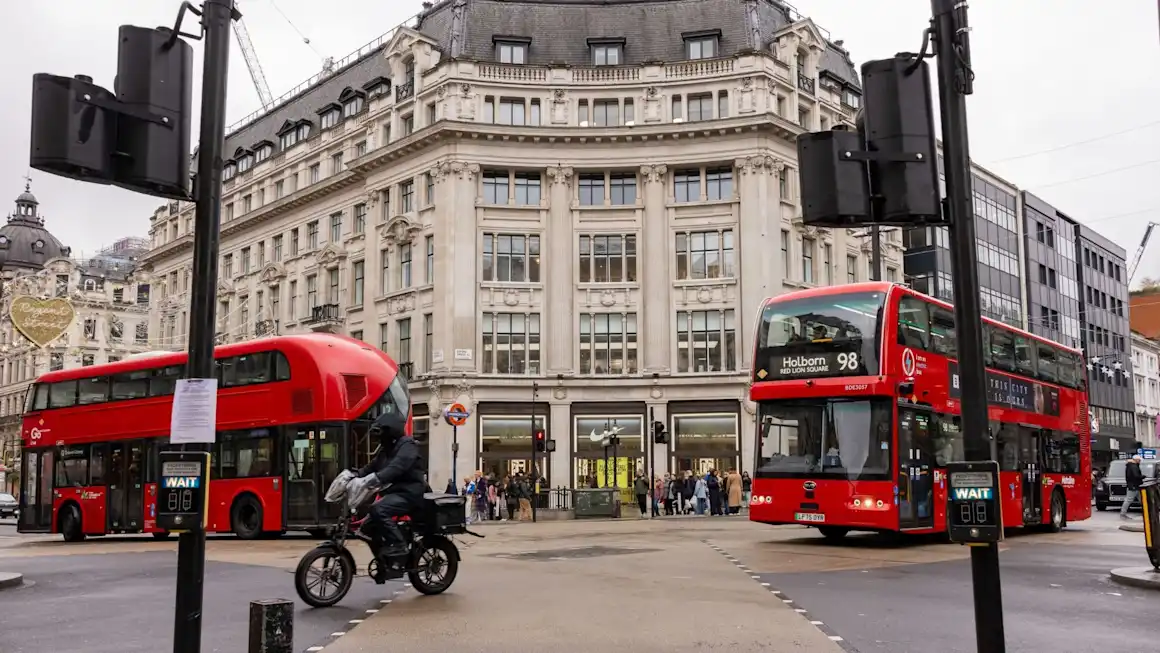
London’s most prominent commercial artery, Oxford Street, is officially embarking on a major structural transformation aimed at prioritizing pedestrian access over vehicular traffic. The initiative, which has been in development for several years, represents a significant shift in how one of the United Kingdom’s highest-revenue retail zones is managed and utilized. Local authorities and retail tenants have aligned on the project, viewing it as a necessary step to enhance the shopping experience and increase dwell time for consumers in the capital.
Strategic Shift in Urban Retail Infrastructure
The conversion of the street into a pedestrian-dominant zone involves substantial modifications to the existing layout, reducing the space allocated to cars and expanding areas available for shoppers and tourists. Industry observers note that such changes are often correlated with increased footfall, a key metric for retail performance. By limiting vehicle throughput, the project seeks to create a more accessible and safer environment, potentially altering the competitive dynamics between online and physical retail channels in the region.
Impact on Commercial Valuation and Footfall
Commercial real estate analysts suggest that the reconfiguration of Oxford Street could influence property valuations and rental rates for prime retail units. The project is positioned as a long-term investment in the physical retail sector, aiming to counteract the decline seen in traditional high-street performance. As the construction and implementation phases proceed, market participants will be monitoring early indicators of footfall changes and tenant turnover to assess the immediate economic impact of the pedestrian revolution.





