Strategic Shift in Legislative Priorities
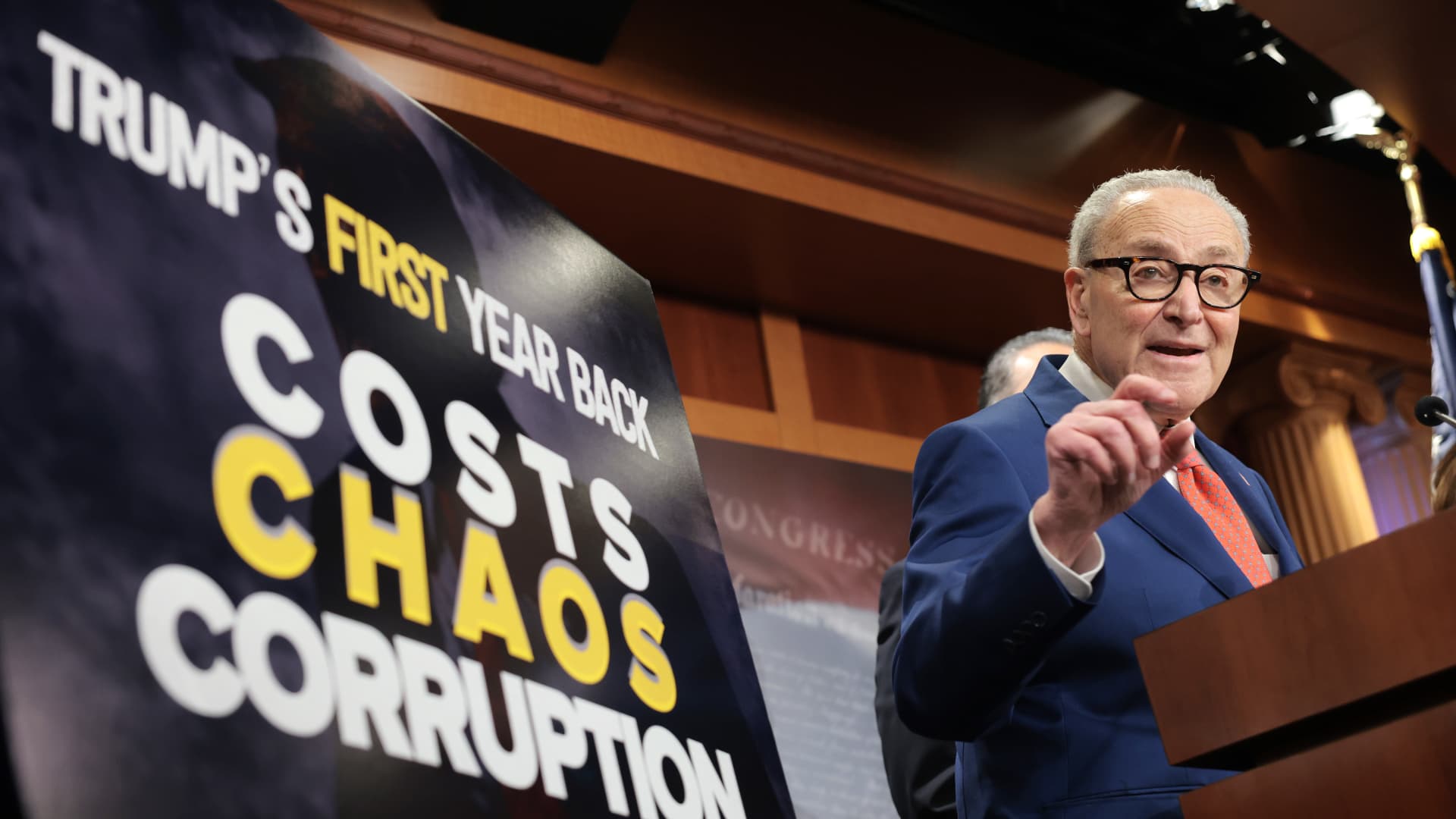
Advisory groups and political strategists currently advising the Democratic caucus are issuing a strong recommendation regarding the party's legislative and investigative agenda. The core of their counsel is that Democrats should pivot their focus away from targeting President Donald Trump and instead direct their investigative resources toward corporate interests. This strategic adjustment is framed as a necessary evolution in how the party approaches accountability and regulatory oversight in the current political landscape.
The warning comes from a coalition of outside groups and political operatives who believe that an overemphasis on personal conflicts with the President may not yield the desired political dividends. Instead, these advisors suggest that concentrating on corporate behavior and financial practices could provide a more robust platform for Democratic policy objectives. The argument posits that holding large corporations accountable offers a clearer narrative for voters compared to ongoing political feuds with the executive branch.
Focus on Corporate Accountability
The push to target corporate interests is rooted in the belief that such actions align more closely with the economic concerns of the Democratic base. By utilizing investigative tools to scrutinize business practices, lobbying efforts, and financial regulations, Democrats could potentially highlight issues related to wealth inequality, market fairness, and consumer protection. This approach is seen as a way to demonstrate tangible governance outcomes rather than engaging in perpetual political combat.
Strategists argue that the current political environment presents a unique opportunity to reshape the narrative around corporate power. Rather than viewing the administration as the primary antagonist, the focus would shift to the systemic influences of big business on policy and markets. This shift could allow Democratic lawmakers to position themselves as champions of economic justice and regulatory integrity, appealing to a broader segment of the electorate.
The advice suggests that the investigative apparatus available to Congress should be leveraged to uncover potential irregularities or abuses within the corporate sector. This could include examining tax avoidance strategies, executive compensation practices, or environmental compliance issues. By doing so, Democrats aim to create a distinct policy identity that separates them from the current administration's approach to business regulation.
Implications for the Political Landscape
This strategic pivot has significant implications for the upcoming political cycle. If Democratic leaders adopt this counsel, it could lead to a series of high-profile hearings and legislative proposals aimed at curbing corporate influence. Such actions would likely provoke strong responses from Republican allies and corporate lobbyists, potentially escalating tensions in Congress.
The move also reflects a broader debate within the Democratic party about the most effective way to oppose the current administration. Some factions believe that focusing on institutional norms and personal conduct is essential, while others argue that policy-focused investigations are more impactful. The advice from outside groups tips the scales toward the latter, emphasizing the need for substantive policy engagement over political theater.
As the political landscape continues to evolve, the decision of Democratic leaders to heed or ignore this advice will shape the direction of the party's opposition strategy. The coming months will likely reveal whether the party embraces a more aggressive stance on corporate accountability or continues to prioritize its current focus on the President.
Key takeaways
- Outside groups and strategists are advising Democrats to shift investigative focus from President Trump to corporate interests.
- The recommendation aims to align legislative actions with the economic concerns of the Democratic base.
- Advisors argue that targeting corporate behavior offers a clearer narrative for voters than political feuds.
- The proposed shift involves using congressional tools to scrutinize business practices and regulatory compliance.
- This strategic pivot could redefine the Democratic party's opposition strategy in the current political climate.





