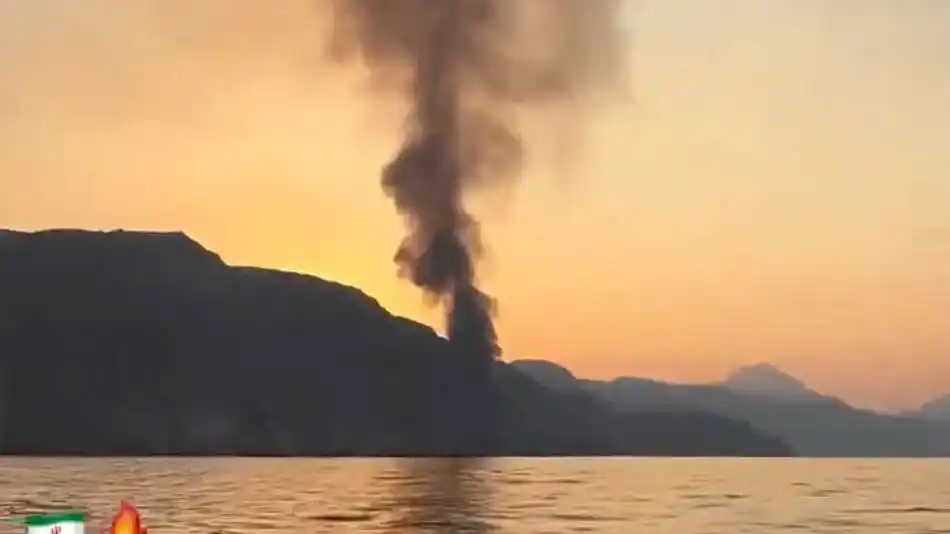
Strategic Chokepoint Under Pressure
The flow of crude oil through the Strait of Hormuz, one of the world's most critical energy chokepoints, has recorded a notable decline. This reduction in shipping volume coincides with an increase in Iranian strikes, signaling a direct correlation between geopolitical military actions and supply chain disruptions in the region. The Strait of Hormuz serves as a vital artery for global energy markets, with a significant percentage of the world's seaborne oil passing through this narrow waterway daily. Any interruption in this route has immediate implications for global supply stability and pricing mechanisms.
The recent drop in shipments highlights the vulnerability of energy infrastructure in the Middle East. As Iranian strikes increase, the physical ability to transport crude oil through this strategic passage is being compromised. This development marks a shift from previous periods of relative stability, introducing new risks to the already tight global oil markets. The decline in throughput is not merely a statistical anomaly but a reflection of heightened security concerns and operational challenges faced by shipping companies and port authorities.
Analyst Concerns on Recovery Fragility
Industry analysts are expressing deep concern regarding the sustainability of the current recovery in Middle Eastern crude exports. According to recent assessments, the recovery in these exports looks 'increasingly fragile.' This characterization underscores the precarious nature of the supply rebound that had been anticipated in recent months. The fragility stems from the unpredictable nature of regional conflicts and the potential for further escalation, which could severely hamper production and export capabilities.
The term 'fragile' indicates that the recovery is not robust enough to withstand significant shocks. With Iranian strikes intensifying, the foundation of this recovery is being tested. Analysts suggest that without a de-escalation of hostilities or significant improvements in security guarantees, the volume of exported crude may remain volatile. This volatility complicates long-term planning for energy consumers and producers alike, as the ability to rely on consistent Middle Eastern supply diminishes.
The geopolitical landscape in the Middle East continues to evolve rapidly, with Iran's military actions serving as a primary driver of uncertainty. The strikes are not isolated incidents but part of a broader pattern of tension that affects the entire region's energy infrastructure. As these actions persist, the risk of supply disruptions becomes more pronounced, forcing market participants to reassess their exposure to Middle Eastern crude. The increasing frequency of strikes adds a layer of risk premium to oil prices, reflecting the market's fear of prolonged instability.
Implications for Global Markets
The decline in oil shipments through the Hormuz has broader implications for global energy markets. As supply from this key region tightens, other producers may face increased pressure to fill the gap. However, spare capacity in other regions is limited, and the logistical challenges of rerouting supply chains are significant. This situation could lead to price fluctuations that ripple through the global economy, affecting everything from transportation costs to manufacturing inputs.
Furthermore, the increasing fragility of Middle Eastern crude exports raises questions about the resilience of global energy systems. Investors and policymakers are closely monitoring the situation, as any further deterioration could have severe economic consequences. The potential for supply shocks remains a key risk factor, with the Strait of Hormuz remaining a focal point of attention. The interplay between military conflict and energy supply underscores the need for diversified energy sources and robust strategic reserves.
Recovery in Middle Eastern crude exports looks ‘increasingly fragile’, analyst says
As the situation develops, the focus will remain on the volume of oil flowing through the Strait of Hormuz and the broader geopolitical dynamics influencing these movements. The decline in shipments serves as a warning sign that the recovery in energy supply is not guaranteed. Market participants must remain vigilant, as the potential for further disruptions looms large. The coming weeks will be critical in determining whether the supply chain can stabilize or if the region is heading toward a more severe crisis.
Key takeaways
- Oil shipments through the Strait of Hormuz have fallen as Iranian strikes intensify.
- Analysts describe the recovery in Middle Eastern crude exports as 'increasingly fragile'.
- The decline in shipments highlights the vulnerability of energy infrastructure in the region.
- Geopolitical tensions are introducing new risks to the global oil supply chain.
- The fragility of the recovery complicates long-term planning for energy markets.





