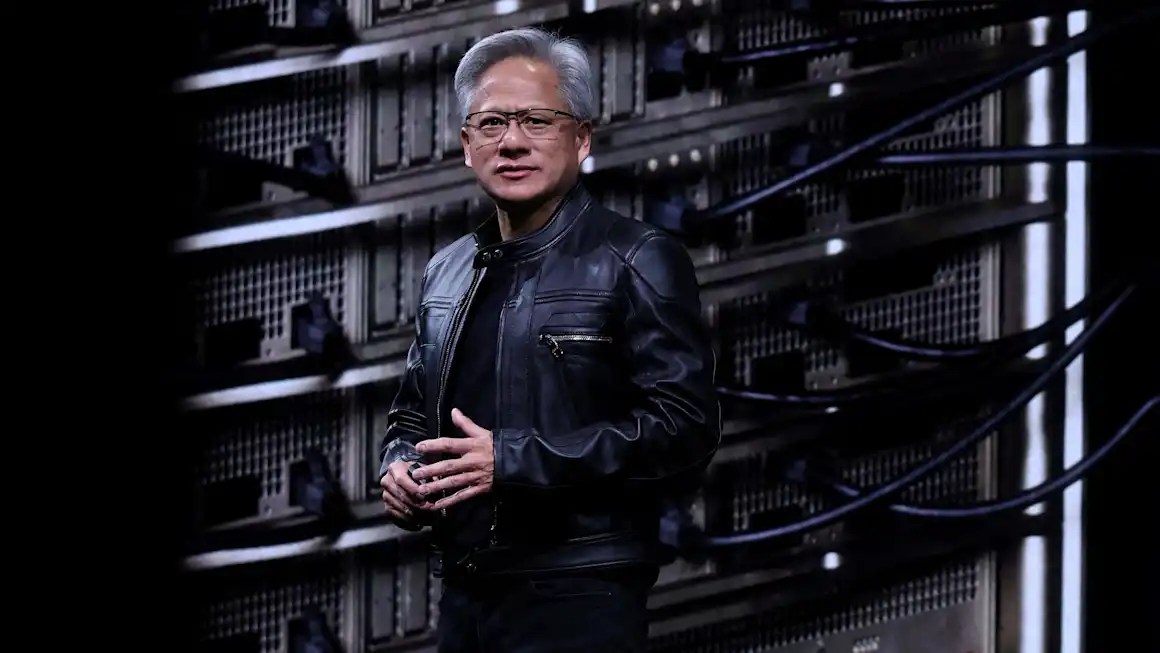
A Stunning End to a Three-Decade Tenure
Jensen Huang, the visionary leader who guided Nvidia from a niche graphics card manufacturer to the world's most valuable company, has resigned from his position as chief executive officer. The announcement marks a dramatic conclusion to a 34-year journey that fundamentally reshaped the technology landscape. Huang's departure follows the public disclosure of extramarital affairs, which have triggered a significant leadership transition at the Silicon Valley giant.
The resignation underscores the sudden volatility that can accompany corporate leadership changes, even for executives who have been instrumental in driving historic growth. Huang, now 61, leaves behind a company that has seen its market capitalization soar to unprecedented levels, driven largely by the insatiable demand for artificial intelligence computing power. His exit removes the face and voice of one of the most influential figures in modern technology history.
Impact on Nvidia and the AI Boom
Nvidia has become synonymous with the current artificial intelligence boom, supplying the essential chips that power data centers for tech giants like Microsoft, Google, and Meta. The company's stock has been a primary beneficiary of the generative AI trend, with its valuation expanding rapidly as investors bet on the future of machine learning. Huang's strategic foresight in pivoting the company toward AI-focused hardware was widely credited with sustaining its competitive edge over rivals.
The timing of the resignation comes at a critical juncture for the semiconductor industry. As competition intensifies among chipmakers and major tech companies develop their own custom silicon, Nvidia's stability is closely watched by the market. Investors and analysts are now assessing how the leadership change might affect the company's innovation pipeline and its ability to maintain its dominant market share in AI accelerators.
While the specific details of the transition have not been fully elaborated, the departure of a founder-led CEO often raises questions about corporate governance and future direction. Huang's role extended beyond executive management; he was a cultural icon within the company, known for his distinctive leather jackets and his ability to rally engineers around ambitious technical goals. His absence will leave a significant void in both operational leadership and brand identity.
What Happens Next
The immediate focus for Nvidia's board and remaining executives will be to ensure a smooth transition of power. While the input does not specify a successor, the company must navigate this leadership change without disrupting its ongoing operations or losing confidence among stakeholders. The market will be closely monitoring any announcements regarding interim leadership or a search for a permanent replacement.
For the broader technology sector, Huang's departure serves as a reminder of the personal complexities that can intersect with professional success. Despite his professional achievements, the revelations regarding his personal life have necessitated his exit. This event highlights the intense scrutiny faced by high-profile executives and the potential consequences of personal conduct on corporate stability.
As Nvidia prepares for its next chapter, the industry will be watching to see if the company can maintain its growth trajectory under new management. The AI infrastructure build-out is expected to continue for years, providing a strong tailwind for the sector. However, the loss of Huang's unique leadership style may present challenges in maintaining the innovative momentum that has characterized Nvidia's recent history.
Key takeaways
- Jensen Huang has resigned as CEO of Nvidia following revelations of extramarital affairs.
- Huang's departure ends a 34-year tenure during which he built Nvidia into a central engine of the AI boom.
- The resignation marks a stunning end to the career of the executive who transformed the company's market valuation.
- Nvidia remains a dominant force in the semiconductor industry, supplying critical chips for artificial intelligence applications.
- The leadership change occurs amid intense competition and high investor interest in the AI sector.





