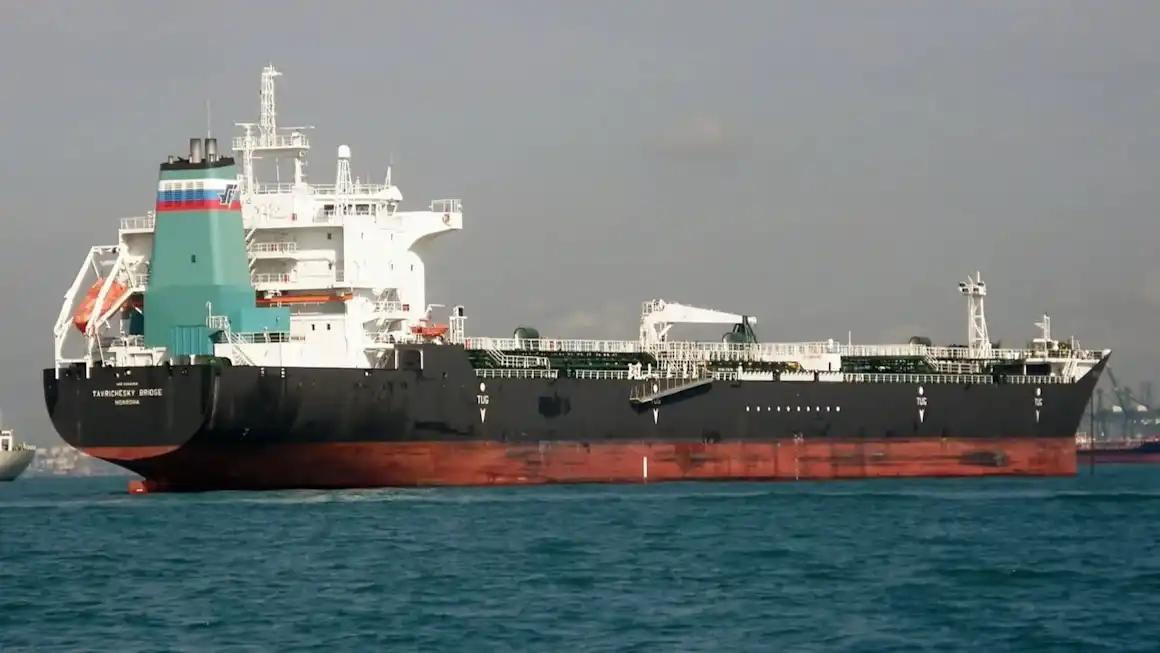
Political Pushback Against Energy Imports
New Jersey Governor Mikie Sherrill has announced her intention to take legal and administrative action to block the delivery of diesel fuel originating from Russia. The move comes amid reports of a potential agreement between President Donald Trump and Russian President Vladimir Putin regarding energy shipments. Sherrill has characterized such a deal as "corrupt and illegal," signaling a strong political resistance to the importation of Russian fuel into the United States, specifically targeting delivery to a port on the East Coast.
The Governor’s stance places her in direct opposition to the federal administration’s reported diplomatic efforts. By threatening to intervene in the logistics of the shipment, Sherrill is leveraging state-level authority to challenge what she perceives as a violation of national security interests or ethical standards. The potential confrontation highlights the growing tension between state governors and federal foreign policy decisions, particularly those involving adversarial nations.
Sherrill’s declaration was made as she weighed various moves to stop the shipment from reaching its destination. While specific legal mechanisms have not been fully detailed in initial reports, the threat implies a multi-front approach that could include regulatory hurdles, port access restrictions, or litigation. The focus remains on preventing the physical delivery of the diesel cargo, which would otherwise contribute to the supply chain of the receiving port.
"Mikie Sherrill calls Trump’s deal with Putin ‘corrupt and illegal’ as she weighs moves to stop shipment to east coast port."
Implications for Energy Markets and State-Federal Relations
The potential blockage of Russian diesel cargo introduces uncertainty into the regional energy market. East Coast ports are critical nodes for fuel distribution, and any disruption to supply chains can have immediate ripple effects on local pricing and availability. By targeting a specific shipment, New Jersey is sending a symbolic message about its stance on Russian energy, but it also raises practical questions about the enforceability of such state-level actions against federal agreements or international contracts.
The characterization of the deal as "corrupt" suggests that Sherrill’s administration believes the agreement may involve improper dealings or compromise national interests. This language aligns with broader geopolitical tensions between the United States and Russia, where energy trade has frequently been a point of contention. The Governor’s actions may embolden other state officials to resist federal energy policies that they deem incompatible with their state’s values or economic interests.
As the situation develops, the outcome will depend on the legal grounds Sherrill chooses to pursue and how the federal government responds to state interference in what it views as a diplomatic arrangement. The incident underscores the complex interplay between state sovereignty and federal authority in the realm of international trade and energy security. Observers will be watching to see if New Jersey’s threat translates into actual legal barriers or remains a political statement.
Key takeaways
- New Jersey Governor Mikie Sherrill is threatening to block the delivery of Russian diesel cargo to an East Coast port.
- Sherrill has described a reported agreement between President Trump and President Putin as "corrupt and illegal."
- The Governor is currently evaluating various administrative and legal moves to stop the shipment.
- The conflict highlights tensions between state-level policy preferences and federal diplomatic efforts regarding Russian energy.





