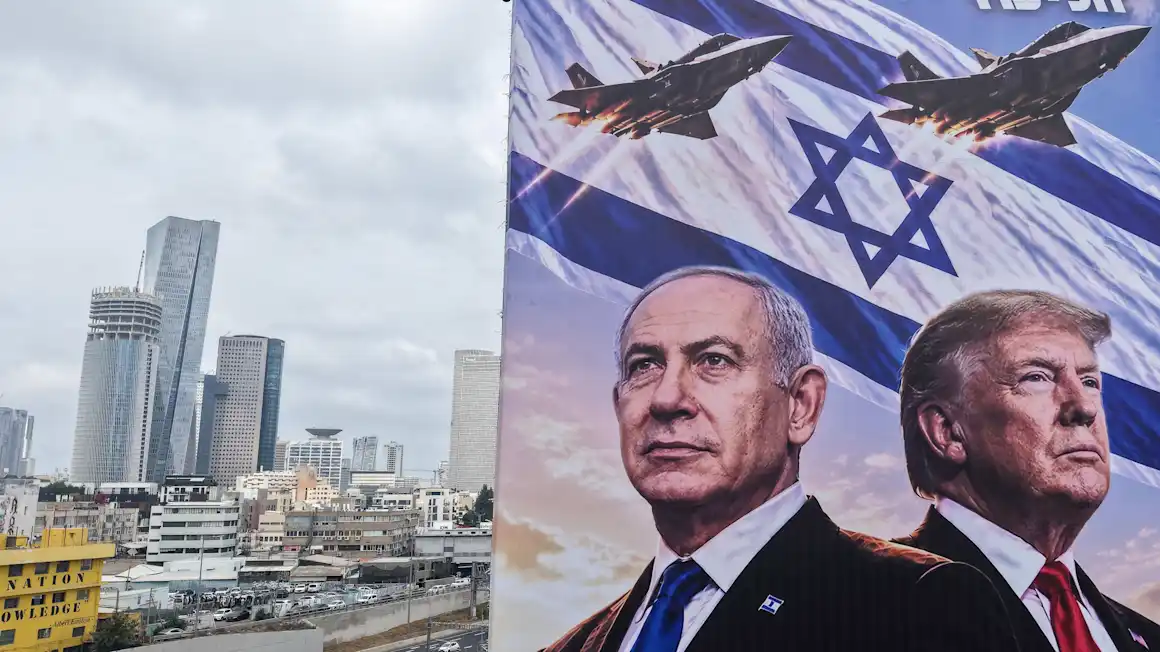
Strategic Dialogue Between Leaders
Israeli Prime Minister Benjamin Netanyahu and United States President Donald Trump engaged in a direct telephone conversation, centering on the potential for renewed military strikes against Iran. The dialogue underscores the ongoing strategic coordination between the two nations regarding regional security concerns and the escalating tensions in the Middle East. This high-level communication highlights the critical role of US-Israeli alliances in shaping responses to Iranian activities and regional destabilization.
The timing of the call coincides with intense diplomatic maneuvers aimed at de-escalating immediate hostilities. While military options remain on the table, the conversation reflects a dual-track approach where Washington and Jerusalem balance the threat of force with active diplomatic engagement. The focus on renewed strikes suggests that the Israeli leadership views military pressure as a necessary component of its strategy against Tehran.
Qatar-Led Mediation Efforts
Parallel to the military discussions, mediation efforts spearheaded by Qatar are actively seeking to broker an interim deal between Washington and Tehran. Doha has positioned itself as a key facilitator in these negotiations, leveraging its longstanding channels of communication with both the United States and Iran. The goal of these mediation efforts is to establish a temporary framework that could halt immediate conflicts and create space for broader diplomatic solutions.
The interim deal proposed by Qatari mediators aims to address immediate flashpoints that have driven recent escalations. Such a deal would likely involve concessions or understandings regarding nuclear activities, regional proxy operations, and prisoner exchanges. The involvement of Qatar adds a layer of complexity to the negotiations, as Doha maintains relationships with various factions involved in the conflict, including those designated as hostile by the United States.
These diplomatic initiatives are crucial for preventing a broader regional war. An interim agreement could serve as a confidence-building measure, allowing both Washington and Tehran to step back from the brink while working toward more permanent resolutions. The success of these mediation efforts depends heavily on the willingness of both parties to compromise and the credibility of the guarantees provided by mediators like Qatar.
Implications for Regional Stability
The intersection of military threats and diplomatic overtures creates a volatile environment for regional stability. The US and Israel’s emphasis on strikes signals that diplomatic channels are viewed with skepticism unless backed by credible military deterrents. Conversely, the push for an interim deal indicates an acknowledgment that military action alone may not resolve the underlying geopolitical tensions.
Observers note that the outcome of the Netanyahu-Trump conversation could influence the leverage of Qatari mediators. If the US and Israel present a unified front on military action, it may strengthen the bargaining position of those seeking a diplomatic solution. Alternatively, it could harden Tehran’s stance, making an interim deal more difficult to achieve. The coming days will be critical in determining whether the diplomatic track or the military track gains precedence in policy execution.
Key takeaways
- Israeli Prime Minister Benjamin Netanyahu and US President Donald Trump held a phone call discussing renewed strikes against Iran.
- Qatar is leading mediation efforts to broker an interim deal between Washington and Tehran.
- The discussions highlight a dual strategy of military pressure and diplomatic engagement in the region.
- The outcome of these negotiations will significantly impact Middle East stability and US-Iran relations.





