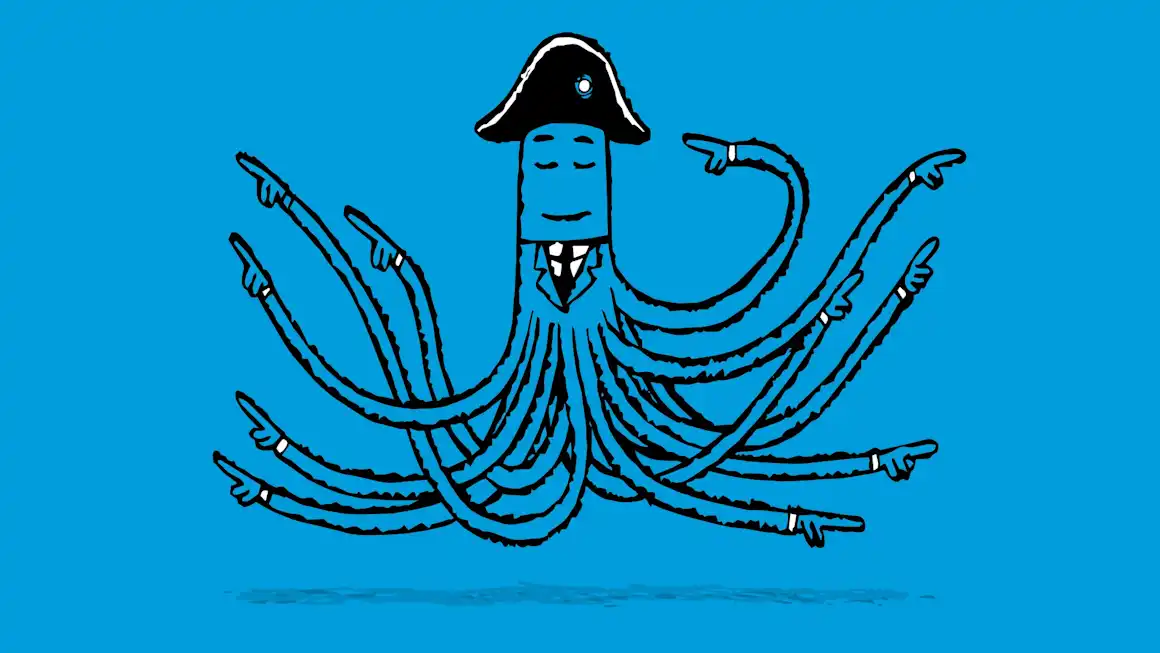
The Structural Paradox of Nvidia’s Growth
Nvidia’s rapid ascent in the artificial intelligence sector has drawn scrutiny not only for its financial performance but also for its internal organizational dynamics. Recent assessments highlight a critical tension within the company’s operational model: the coexistence of a flat hierarchy with intense micromanagement. This combination, while potentially fostering agility, has been identified as a mechanism that concentrates power dangerously at the top of the corporate structure.
The central figure in this dynamic is Jensen Huang, Nvidia’s co-founder and CEO. As the company navigates the complexities of the AI boom, the concentration of decision-making authority in his hands has become a focal point for analysts and governance experts. The warning attributed to Napoleon serves as a historical lens through which this modern corporate phenomenon is viewed, suggesting that such concentration of power carries inherent risks regardless of the leader's past success.
Micromanagement and the Illusion of Flat Structure
A flat hierarchy is typically designed to reduce bureaucracy and accelerate communication. However, when paired with micromanagement, the structure can inadvertently reinforce the authority of a single individual. Instead of empowering lower-level managers, the lack of intermediate layers means that strategic and operational decisions often bypass traditional checks and balances, flowing directly to the CEO.
This dynamic means that while the organization may appear decentralized on paper, the reality is a highly centralized command structure. The input indicates that this specific configuration can concentrate power dangerously at the top. For a company of Nvidia’s scale, where decisions impact global supply chains, technological standards, and investor valuations, such concentration raises questions about resilience and continuity.
The role of the CEO in this model extends beyond traditional leadership. Jensen Huang’s involvement in minute details suggests a hands-on approach that, while effective in driving innovation, creates a bottleneck. If the top leader is the primary driver of both strategy and execution, the organization becomes heavily dependent on one individual’s capacity and judgment. This dependency is the core of the warning issued by the historical reference to Napoleon.
Historical Context and Modern Implications
The reference to Napoleon introduces a historical precedent for the dangers of centralized power. Historically, Napoleon’s campaigns were characterized by his direct control over military operations, a style that yielded early successes but ultimately contributed to catastrophic failures when the system lacked redundancy. The parallel drawn to Nvidia suggests that while the current model is effective, it is not without long-term vulnerabilities.
For investors and observers, the key concern is not necessarily current performance but future stability. The input does not provide specific financial forecasts or stock predictions, but it does highlight a structural risk. As Nvidia continues to expand, the ability of the organization to function effectively without the direct intervention of its leader becomes a critical metric for assessment.
The warning serves as a cautionary tale for other technology firms facing similar growth trajectories. The challenge lies in maintaining the agility of a flat structure while developing sufficient layers of management to distribute power and ensure that decisions are not overly reliant on a single perspective. Without such development, the concentration of power remains a latent risk.
What Happens Next
The focus now shifts to how Nvidia and similar entities manage this structural paradox. The input suggests that the current trajectory involves continued reliance on top-down decision-making. Whether the company will introduce more robust intermediate management layers or continue to operate with a lean, CEO-centric model remains an open question. The outcome of this organizational evolution will likely influence not only Nvidia’s operational resilience but also the broader understanding of corporate governance in the AI era.
Key takeaways
- Nvidia’s corporate structure is characterized by a flat hierarchy combined with micromanagement.
- This combination concentrates power dangerously at the top, specifically around CEO Jensen Huang.
- The warning draws a parallel to Napoleon’s leadership style, highlighting the risks of centralized authority.
- The structure creates a high dependency on the CEO for both strategic and operational decisions.
- Investors and analysts view this concentration of power as a significant structural risk for the future.





