Direct Negotiations Required
The Russian Foreign Ministry has issued a clear directive to the European Union, stating that Moscow will only engage in high-level diplomatic talks if the bloc appoints a dedicated envoy to negotiate directly with President Vladimir Putin. This demand marks a significant escalation in the diplomatic standoff, as Russia insists on bypassing current multi-layered channels in favor of direct access to the Russian head of state. The move suggests that Moscow views the existing diplomatic framework as insufficient or ineffective in addressing its core security and political concerns.
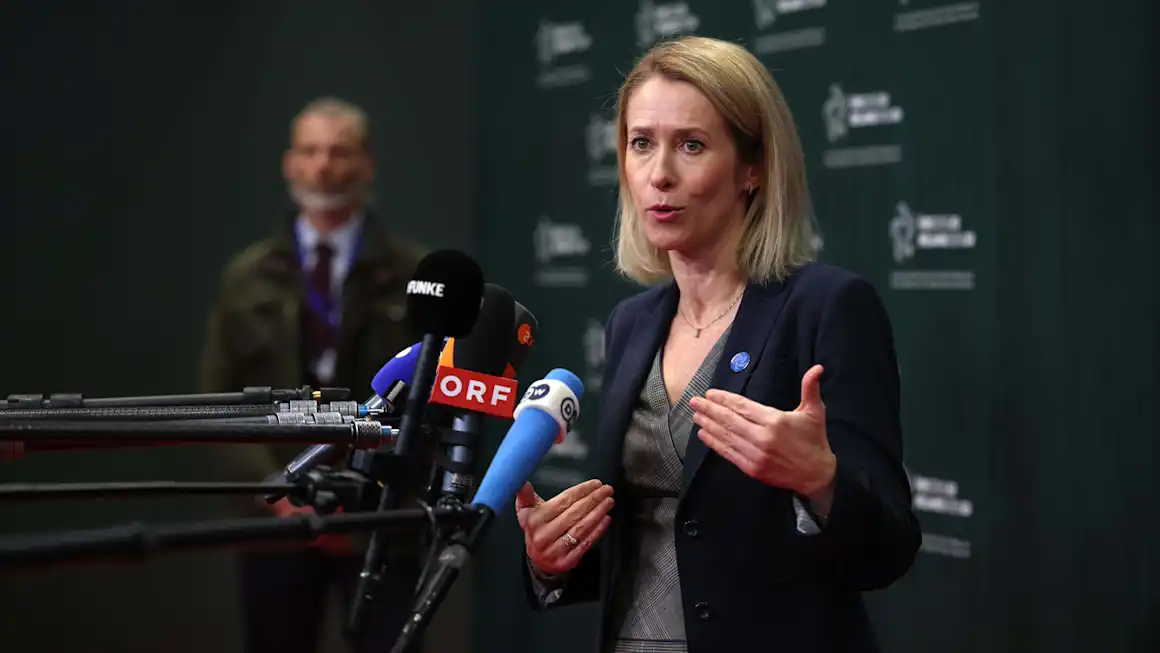
EU High Representative for Foreign Affairs Kaja Kallas has publicly addressed the impasse, revealing that President Putin has indicated he does not wish to communicate with her. Kallas attributed this refusal to her political persona, stating that Putin believes she is 'strong' and therefore an unsuitable counterpart for dialogue. This disclosure highlights the personal and political dimensions influencing high-stakes international diplomacy, where individual leadership styles and perceived resolve play a crucial role in diplomatic accessibility.
The requirement for a specific envoy implies that Russia is looking for a counterpart with the authority to make binding decisions or at least engage in substantive discussions without the constraints of collective EU decision-making processes. By demanding a single point of contact, Moscow appears to be seeking a more streamlined and potentially quicker resolution path, or conversely, attempting to fracture the unified front of the European Union by isolating its diplomatic efforts to a bilateral dynamic.
Implications for EU Unity
Kaja Kallas’s comments underscore the challenges facing the EU’s Common Foreign and Security Policy. The High Representative’s role requires coordinating the foreign policies of all 27 member states, a task that inherently involves compromise and consensus-building. If President Putin perceives this collective strength as an obstacle rather than a foundation for dialogue, it could complicate future negotiations. The EU must now navigate the delicate balance of maintaining unity while responding to Moscow’s demand for a different diplomatic structure.
The diplomatic friction comes at a time when European nations are deeply engaged in supporting Ukraine and managing the broader geopolitical consequences of the conflict in Eastern Europe. Any shift in the diplomatic channel could have profound implications for peace talks or de-escalation efforts. The Russian stance suggests that without a direct line to the Kremlin, Moscow may be less inclined to engage in multilateral forums or mediated negotiations that include EU leadership.
Observers note that the demand for a new envoy could be seen as a tactic to test the EU’s resolve and internal cohesion. If the EU fails to produce a suitable candidate who can meet Putin’s criteria, or if member states disagree on who should hold this position, it could lead to further isolation of diplomatic efforts. Conversely, appointing a new envoy might signal a willingness to engage on Moscow’s terms, which could be politically contentious within the EU given the current climate of sanctions and military support for Ukraine.
What Happens Next
The immediate future of EU-Russia relations hinges on whether Brussels can identify an envoy acceptable to Moscow. This process may involve high-level consultations among EU member states and potentially discussions with other global powers. The outcome of these internal deliberations will determine the next phase of diplomatic engagement, or the continued stalemate that has characterized recent months.
Meanwhile, the broader international community remains watchful, as the breakdown in direct diplomatic channels between the EU and Russia affects global stability. The lack of a clear communication line increases the risk of miscalculation and escalation. As the situation develops, the focus will remain on whether any party is willing to adjust its demands to reopen the dialogue.
Key takeaways
- Moscow has demanded that the EU appoint a specific envoy to negotiate directly with Vladimir Putin.
- EU High Representative Kaja Kallas stated that Putin refuses to talk to her because she is considered 'strong'.
- The demand reflects Russia’s desire for a streamlined diplomatic channel bypassing collective EU structures.
- The impasse highlights the personal and political barriers within current EU-Russia relations.
- Brussels faces pressure to find a candidate acceptable to Moscow while maintaining EU unity.
- The diplomatic stalemate increases risks of miscalculation in the broader geopolitical context.





