The Architect of Modern Cartels
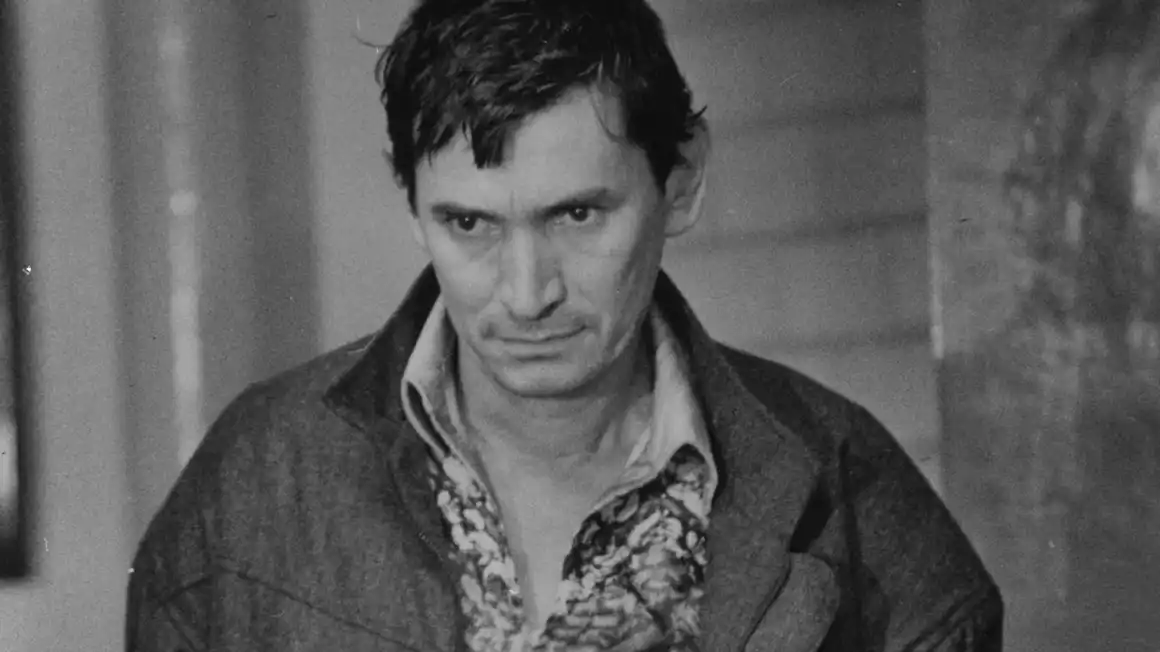
Miguel Ángel Félix Gallardo, widely recognized by law enforcement and international media as the primary architect of the modern Mexican drug trafficking industry, has died. He was 79 years old. Known by the moniker 'the godfather,' Félix Gallardo built a vast criminal network in Mexico that fundamentally transformed the global narcotics trade. His operational model shifted the drug trade from a fragmented collection of local smugglers to a centralized, corporate-style enterprise with international reach.
For decades, Félix Gallardo served as the central figure in the Guadalajara Cartel, a powerful organization that monopolized the cocaine and marijuana trade between Mexico and the United States. His ability to coordinate logistics, bribery, and violence across state lines established the blueprint for the massive drug syndicates that followed. The structure he created allowed for the efficient movement of billions of dollars in illicit goods, reshaping the economic and social landscape of northern Mexico.
A Legacy of Fracture and Violence
The impact of Félix Gallardo's career extends far beyond his lifetime. His arrest in 1989 did not dismantle the network; rather, it triggered its fragmentation. The power vacuum left by his removal led to the rise of rival factions, including the Sinaloa Cartel, the Jalisco New Generation Cartel, and the Tijuana Cartel. These groups, once united under his command, became some of the most dangerous and influential criminal organizations in the world. The ongoing violence and territorial disputes that characterize the current drug war in Mexico are direct consequences of the structure Félix Gallardo designed.
Law enforcement agencies globally have long tracked Félix Gallardo's influence. His case became a landmark in international drug enforcement, highlighting the complexities of prosecuting transnational crime syndicates. Despite his imprisonment, his strategic acumen continued to be studied by criminologists and law enforcement officials alike. The persistence of the cartels he spawned demonstrates the durability of the model he established, which prioritized decentralized but coordinated operations that are difficult to eradicate.
Death and Historical Context
News of his death confirms the end of an era for one of the most notorious figures in criminal history. While the specific circumstances surrounding his passing have not been detailed in the initial reports, the event marks the conclusion of the life of the man who effectively invented the modern cartel system. His death occurs in a period when the Mexican drug trade remains a critical issue for international security and public health, with the organizations he created continuing to operate on a massive scale.
The narrative of Miguel Ángel Félix Gallardo is inextricably linked to the history of the 20th-century drug trade. He rose to prominence in the 1970s and 1980s, a period of significant change in global consumption patterns and law enforcement capabilities. His ability to navigate these changes and maintain dominance for so long underscores his organizational skills and the depth of his corruption networks. The globalization of the narcotics industry, as it exists today, owes much of its structure to his early innovations.
As the world processes the news of his death, the focus remains on the enduring legacy of his criminal enterprise. The cartels that emerged from his network continue to pose significant challenges to governments and communities. The story of Félix Gallardo serves as a historical case study in the evolution of organized crime, illustrating how a single individual's actions can have profound and lasting effects on global criminal economies.
Key takeaways
- Miguel Ángel Félix Gallardo, known as 'the godfather', has died at the age of 79.
- He built the criminal network that transformed the global narcotics industry.
- His arrest led to the fragmentation of the Guadalajara Cartel into rival groups.
- The modern Mexican drug trafficking structure was largely designed by him.
- His legacy includes the rise of major cartels like Sinaloa and CJNG.





