Escalating Tensions in Berlin
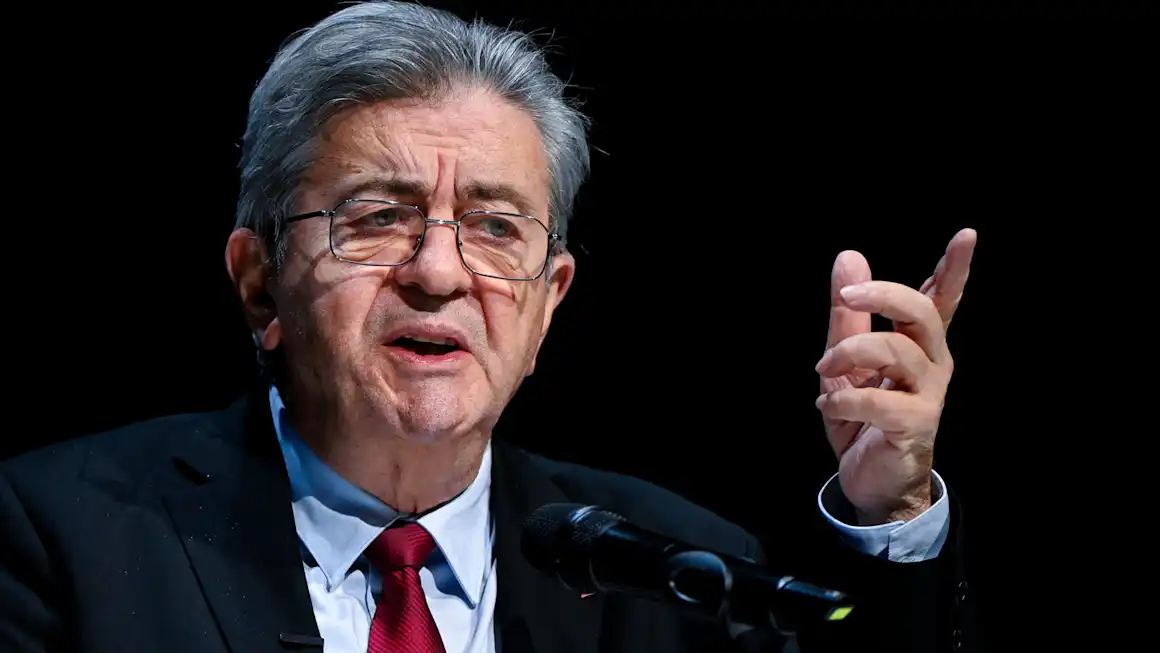
French far-left presidential candidate Jean-Luc Mélenchon has significantly increased his attacks on France’s neighbor and closest ally, Germany, during a recent campaign stop in Berlin. This move marks a notable shift in tone, highlighting deepening political divergences between the two nations as the French election approaches. Mélenchon has positioned himself as a vocal critic of the current European economic order, with Germany frequently serving as the primary target of his rhetoric.
The campaign stop in the German capital was not merely a routine diplomatic engagement but a platform for Mélenchon to articulate a broader critique of German influence within the European Union. By choosing Berlin as a venue for these attacks, the candidate aimed to directly challenge the perceptions of German voters and political elites regarding France's future direction under his potential leadership.
Mélenchon’s rhetoric has focused heavily on what he describes as the economic dominance of Germany and its impact on French sovereignty and social welfare. He has argued that the current framework of European economic policy, largely shaped by German priorities, disadvantages France and other southern European nations. This perspective aligns with his broader platform of redefining France’s role in Europe and reducing dependence on German-led economic strategies.
Political Implications and Reactions
The timing of these intensified attacks is significant, coming as the French presidential race heats up. Mélenchon’s strategy appears to be aimed at consolidating support among left-leaning voters who are skeptical of traditional pro-European Union stances. By framing Germany as an obstacle to French national interests, he seeks to galvanize a base that is increasingly disillusioned with the status quo in Brussels and Berlin.
German officials and political opponents have likely viewed these comments with concern, given the historical importance of the Franco-German relationship as the engine of European integration. The attacks risk straining bilateral relations further, potentially complicating future diplomatic efforts. However, Mélenchon’s camp argues that a necessary recalibration of the relationship is required to ensure a more balanced and equitable partnership within the EU.
Observers note that Mélenchon’s stance is part of a wider trend among certain political factions in France to challenge the traditional alliances that have defined post-war European politics. This shift reflects growing public discontent with perceived economic imbalances and a desire for greater national autonomy in economic decision-making. The campaign stop in Berlin serves as a microcosm of these broader geopolitical tensions.
Future Outlook
As the election progresses, the extent to which Mélenchon’s anti-German rhetoric influences voter behavior remains to be seen. While it may resonate with his core supporters, it could also alienate moderate voters who value strong Franco-German ties. The political landscape in France is highly fragmented, and Mélenchon’s ability to translate this criticism into electoral gains will depend on his overall campaign narrative and policy proposals.
The reaction from German political leaders will also play a crucial role in shaping the discourse. If Berlin responds with firmness, it could further polarize the debate. Conversely, if there is an attempt at dialogue, it might mitigate some of the tensions. Regardless of the outcome, Mélenchon’s campaign has successfully placed the Franco-German relationship back at the center of the French political conversation.
Key takeaways
- French far-left candidate Jean-Luc Mélenchon intensified his criticism of Germany during a campaign stop in Berlin.
- His attacks focus on German economic dominance and its perceived negative impact on French sovereignty.
- The strategy aims to consolidate support among voters skeptical of traditional European Union policies.
- The move risks straining the historically vital Franco-German diplomatic relationship.
- Mélenchon’s rhetoric reflects broader trends of nationalistic economic sentiment in French politics.





