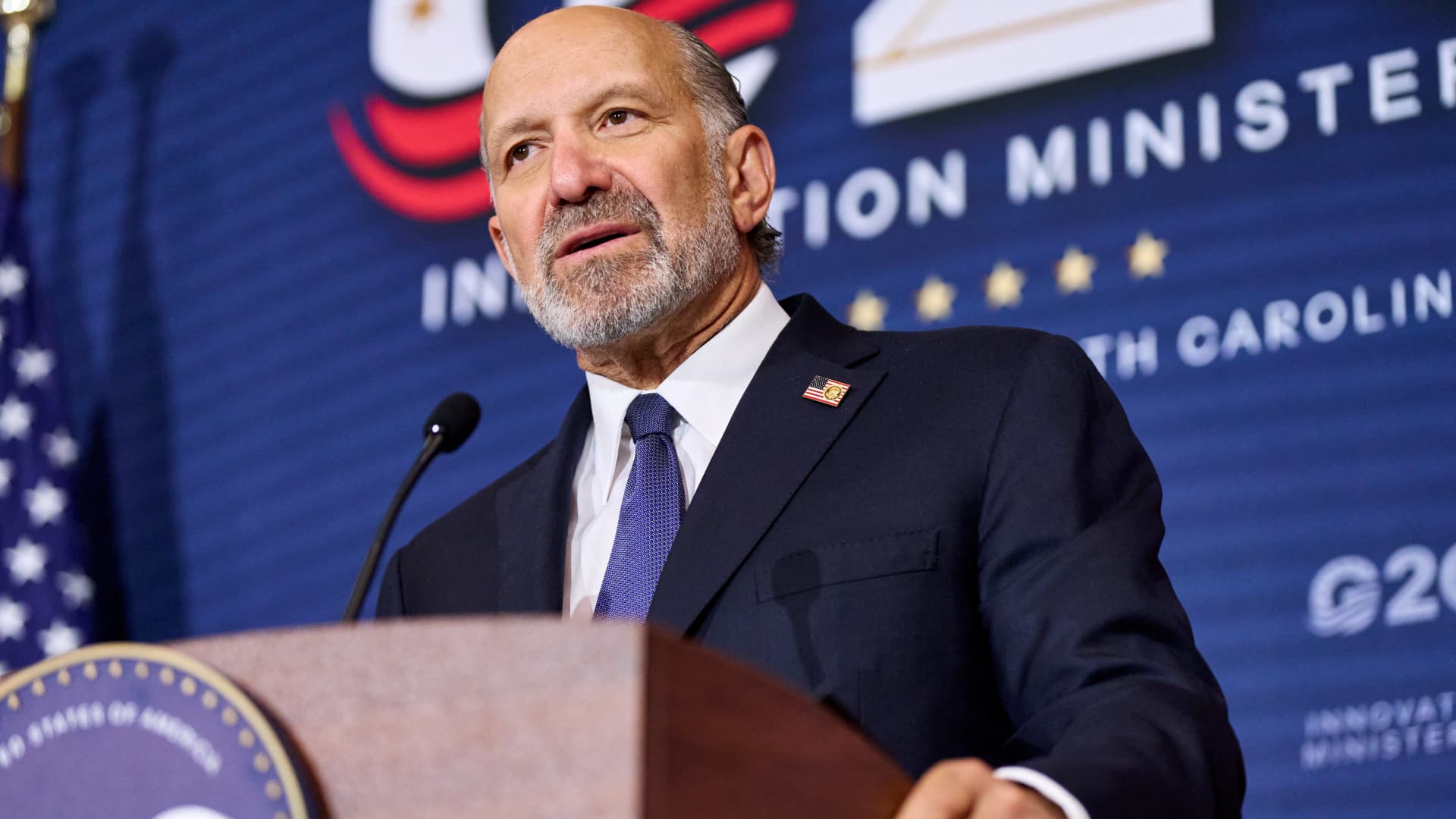
Leadership Transition and Ethical Concerns
Jensen Huang's resignation as Chief Executive Officer of Nvidia has triggered a renewed wave of scrutiny regarding Commerce Secretary Howard Lutnick and his family's financial connections to the chipmaker. The leadership change at one of the world's most valuable technology companies has brought the intersection of government regulation and private sector holdings into sharp focus, particularly concerning Lutnick's role in shaping national technology policy.
Reports indicate that the Lutnick family has established deep financial ties with Nvidia, a development that has drawn attention from ethics watchdogs and political opponents. As a senior cabinet member overseeing critical trade and technology regulations, Lutnick's personal financial portfolio is subject to heightened public interest and ethical review. The timing of Huang's departure coincides with this growing examination, suggesting that the leadership transition at Nvidia may complicate the regulatory landscape for the company and its key stakeholders.
Family Ties Under the Microscope
The core of the controversy centers on the extent of Lutnick's familial financial involvement with Nvidia. While specific details of the family's investment vehicles have been a subject of ongoing discussion, the depth of these ties has become a focal point for critics who question the appropriateness of such holdings for a high-ranking government official. The scrutiny is not merely about the existence of these financial connections but about the potential for conflicts of interest in Lutnick's official duties.
As Commerce Secretary, Lutnick plays a pivotal role in shaping policies that affect the semiconductor industry, including export controls, trade agreements, and domestic investment incentives. Nvidia, as a leader in artificial intelligence and high-performance computing, is a central player in these policy discussions. The revelation of deep financial ties between the Secretary's family and the company raises questions about the impartiality of regulatory oversight and the potential for undue influence.
Observers note that the resignation of Jensen Huang, a long-standing and influential figure in the tech industry, adds a layer of complexity to the situation. Huang's departure marks a significant shift in Nvidia's corporate governance, potentially altering the company's strategic direction and its relationships with government regulators. This transition occurs at a time when Lutnick is already under a microscope for his family's financial disclosures, amplifying the need for transparency and ethical rigor in the Commerce Department's interactions with Nvidia.
Implications for Policy and Oversight
The situation highlights the broader challenges faced by government officials with significant financial interests in the industries they regulate. Ethics experts suggest that the Lutnick-Nvidia case could set a precedent for how conflicts of interest are handled in the tech sector, particularly as artificial intelligence and semiconductor manufacturing become central to national security and economic competitiveness.
As the scrutiny continues, questions remain about the steps Lutnick has taken to mitigate potential conflicts of interest. The Commerce Department has not released a comprehensive timeline of when these financial ties were established or how they were managed during Lutnick's tenure. This lack of clarity has fueled calls for a more thorough investigation into the Secretary's financial disclosures and their alignment with federal ethics laws.
The fallout from this controversy could extend beyond Lutnick himself, potentially impacting the broader perception of the Trump administration's approach to government ethics. With Nvidia at the forefront of the AI revolution, the intersection of private wealth and public policy is a sensitive area that demands careful handling. The ongoing examination of Lutnick's ties to Nvidia serves as a reminder of the complexities involved in regulating fast-evolving industries while maintaining public trust in government institutions.
Key takeaways
- Jensen Huang's resignation as Nvidia CEO has intensified scrutiny of Commerce Secretary Howard Lutnick's family financial ties to the company.
- Lutnick faces ethical questions regarding his role in regulating the semiconductor industry while his family holds deep financial interests in Nvidia.
- The leadership change at Nvidia adds complexity to ongoing discussions about conflicts of interest in government oversight of technology firms.
- Critics and ethics watchdogs are calling for greater transparency regarding the nature and management of the Lutnick family's Nvidia investments.
- The situation underscores the broader challenges of balancing private financial interests with public regulatory duties in the tech sector.





