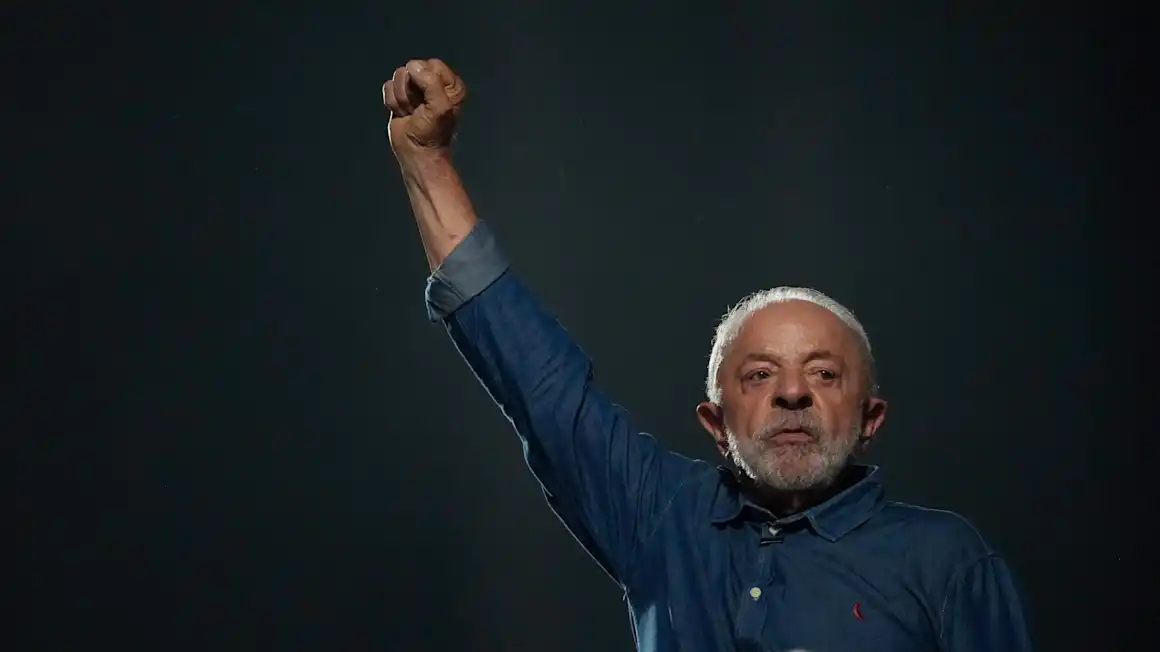
A Political Triumph with Economic Constraints
Brazilian President Luiz Inácio Lula da Silva has secured a significant political victory, marking a stunning comeback in the nation's political landscape. However, this resurgence is immediately met with the rigid constraints of fiscal reality. The administration now faces the dual challenge of managing public expenditure while navigating a complex legislative environment that requires broad support for any major policy initiatives.
The return of Lula to the presidency signals a shift in Brazil's political direction, yet the economic fundamentals remain unchanged. The government must now demonstrate its ability to deliver on promises without exacerbating existing fiscal deficits. This balancing act is critical for maintaining investor confidence and ensuring the stability of the Brazilian real in global markets.
Reining in spending is not merely a preference but a necessity for the current administration. The fiscal framework established in previous years imposes strict limits on how much the government can spend. Any deviation from these limits risks triggering automatic spending cuts or requiring difficult legislative adjustments. The president must therefore prioritize efficiency and targeted investment over expansive fiscal stimulus.
Building a broad coalition is equally critical for the success of Lula's agenda. The Brazilian political system is characterized by a fragmented multiparty structure, where no single party holds a majority. This means that the president must negotiate constantly with various political factions to pass legislation. Without a wide-ranging coalition, the government risks legislative gridlock, which could stall essential reforms and economic initiatives.
"The president must now rein in spending and build a broad coalition," analysts note, highlighting the immediate priorities facing the new administration.
The political landscape in Brazil is highly competitive, with opposition parties likely to scrutinize any proposed spending increases. This environment demands a diplomatic approach from the White House of Planalto, the official residence of the president. Lula's team will need to engage in extensive dialogue with key political leaders to secure the necessary votes for budgetary measures and structural reforms.
Economic stability is paramount for the long-term success of the administration. High inflation and interest rates have been persistent challenges in Brazil, affecting both consumers and businesses. The government's ability to control these factors will depend largely on its fiscal discipline. Any perception of fiscal irresponsibility could lead to capital flight and a depreciation of the currency, further complicating the economic outlook.
The upcoming budget negotiations will be a key test of Lula's political capital. The president must present a fiscal plan that is both ambitious and realistic, addressing social needs while adhering to constitutional spending caps. This will require careful trade-offs and potentially unpopular decisions. The success of these negotiations will set the tone for the remainder of the presidential term.
Implications for Investors and the Economy
For investors, the focus will be on how the administration navigates these fiscal constraints. Markets will react to any signs of fiscal slippage or political instability. A strong coalition and disciplined fiscal policy could bolster confidence in Brazilian assets, while political turmoil could lead to increased volatility.
The government's ability to build a broad coalition will also influence the pace of economic reforms. Structural changes, such as tax reform or pension adjustments, require significant political support. Without it, these reforms may be delayed or watered down, impacting long-term growth prospects. The administration must therefore prioritize legislative strategy alongside economic management.
As the new administration settles into its role, the interplay between political power and fiscal responsibility will be closely watched. The coming months will be crucial in determining whether Lula can translate his political comeback into tangible economic results. The world's attention remains fixed on Brazil, as its actions could have broader implications for emerging markets and global economic stability.
Key takeaways
- Brazilian President Lula da Silva has secured a political comeback but faces immediate fiscal constraints.
- The administration must rein in public spending to adhere to existing fiscal frameworks and maintain economic stability.
- Building a broad legislative coalition is essential for passing budgetary measures and structural reforms.
- Political fragmentation in Brazil requires constant negotiation and diplomacy from the president.
- Investors are closely monitoring the administration's ability to balance social needs with fiscal discipline.





