A Strategic Shift in Leadership
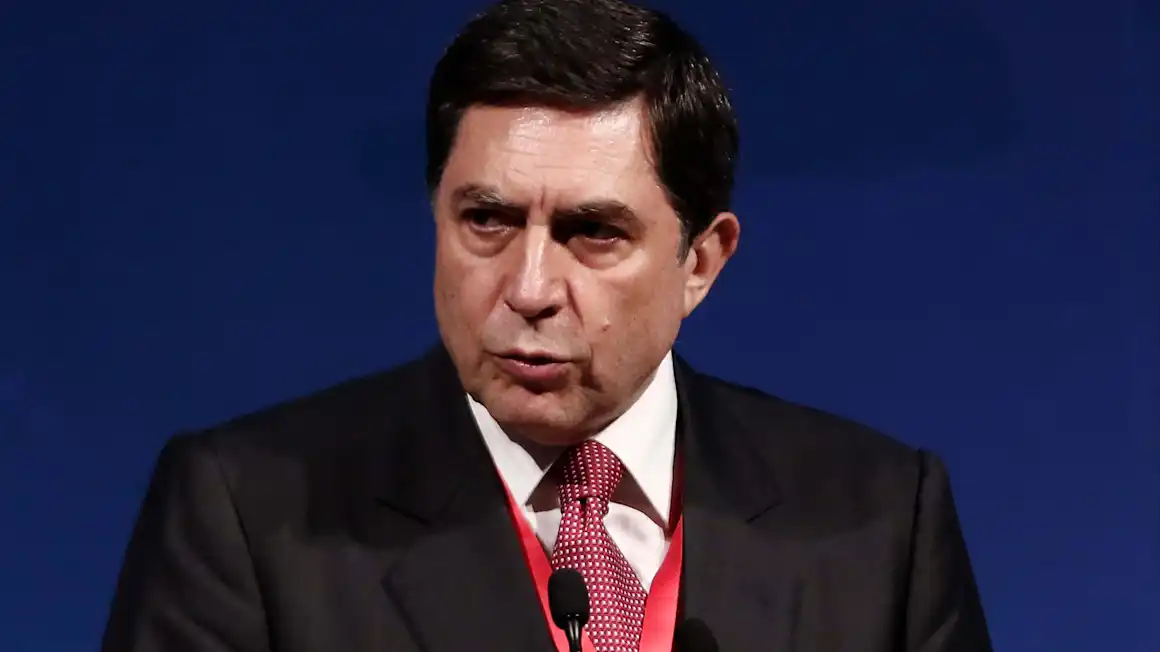
Brazilian President Luiz Inácio Lula da Silva has officially appointed Luiz Carlos Trabuco as the nation’s new finance minister. This leadership change comes at a critical juncture for the South American economy, as the administration seeks to address mounting pressure from financial markets. The appointment of Trabuco, a seasoned banker with extensive experience in the financial sector, signals a deliberate effort to project stability and competence to domestic and international investors.
The decision follows a period of volatility characterized by a notable sell-off in Brazil’s assets. Investors had reacted negatively to previous policy uncertainties and economic indicators, leading to a depreciation in the value of Brazilian financial instruments. By installing a figure known for his banking background, the Lula administration aims to reassure markets that fiscal responsibility and monetary prudence remain central to the government's economic strategy.
Addressing Market Volatility
The timing of Trabuco’s appointment is directly linked to the recent downturn in asset values. The sell-off in Brazil’s assets had raised concerns among global investors regarding the country’s fiscal trajectory and its ability to manage debt and inflation. Market participants often look to the finance minister as the primary architect of economic policy, making the choice of this individual pivotal for short-term market sentiment.
Trabuco’s profile as a banker suggests a focus on technical economic management and potentially a more conservative approach to fiscal policy compared to previous political appointments. This shift is intended to counteract the negative momentum that had taken hold of the market. The administration hopes that his expertise will help stabilize the currency, control inflationary pressures, and restore a sense of predictability to Brazil’s economic landscape.
Implications for the Brazilian Economy
The appointment of Trabuco is expected to have immediate implications for Brazil’s bond yields and currency exchange rates. As the new finance minister, Trabuco will be tasked with presenting a credible fiscal plan that balances the government’s social spending commitments with the need for macroeconomic stability. Investors will be closely monitoring his first policy statements and any proposed measures aimed at curbing the deficit.
While the appointment itself is a positive signal for market confidence, the ultimate test will be in the implementation of economic policies. The Brazilian government must demonstrate that it can deliver on its promises without compromising long-term growth prospects. Trabuco’s banking background may provide him with the tools to navigate these challenges, but his success will depend on his ability to coordinate with other government branches and manage expectations across the financial community.
Key takeaways
- Luiz Inácio Lula da Silva has appointed Luiz Carlos Trabuco as Brazil's finance minister.
- The appointment follows a recent sell-off in Brazil's financial assets.
- Trabuco is a veteran banker chosen to help calm market anxieties.
- The move aims to restore investor confidence in Brazil's economic stability.





