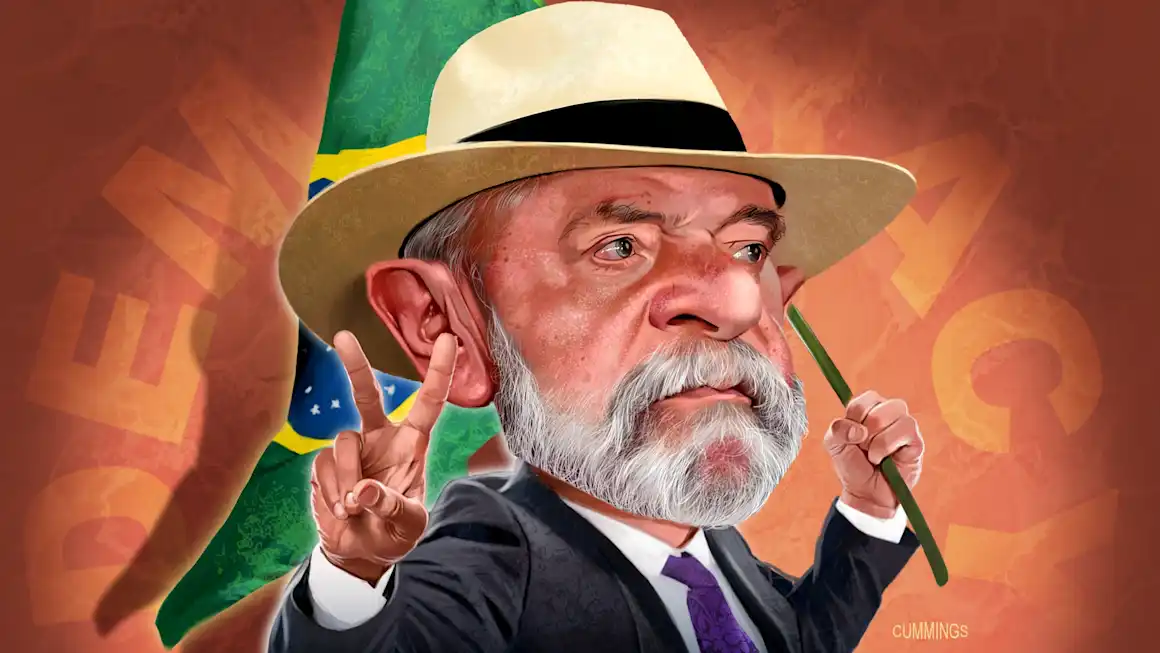
A Resurgence in Modern Politics
Luiz Inácio Lula da Silva has secured one of the most unexpected and significant victories in modern democratic history. At 76 years old, the four-time president has returned to the highest office in Brazil, defying earlier predictions and polling data that suggested a different outcome. This election result marks a dramatic turnaround for the Workers' Party (PT) and its leader, who had been largely written off by many political analysts and opponents in the weeks leading up to the vote.
The victory is particularly notable given Lula’s age and the turbulent political environment that preceded the election. Having previously served as president from 2003 to 2010, Lula brings a wealth of experience but also carries the baggage of past controversies. His return to the presidency signals a resilience in his political base and a rejection by Brazilian voters of the status quo represented by his opponents. The win is being described by observers as a 'comeback kid' story, reminiscent of his earlier political rise from a shoe shiner to the presidency decades ago.
Implications for Brazil’s Economy and Governance
As Lula prepares to assume the presidency once again, the focus shifts to the economic policies he will implement. During his previous tenure, Brazil experienced a commodity boom that fueled significant economic growth and poverty reduction. However, the administration also faced challenges related to inflation and fiscal management. Investors and markets are closely watching for signals regarding Lula’s approach to fiscal discipline, environmental policies, and relations with international trading partners.
The incoming administration faces immediate challenges, including high public debt, inflation pressures, and the need to restore confidence in Brazil’s institutional framework. Lula’s victory has sent ripples through global markets, with currency fluctuations and bond yields adjusting to the new political reality. Analysts are divided on the short-term economic impact, with some fearing a return to populist spending measures while others anticipate a more balanced approach aimed at stabilizing the economy.
Furthermore, Lula’s environmental agenda is expected to be a central pillar of his presidency. Brazil holds the Amazon rainforest, a critical component of global climate stability. During his first term, deforestation rates dropped significantly, but they surged in subsequent years. Lula has pledged to halt illegal deforestation and promote sustainable development, a stance that has drawn both praise from environmental groups and skepticism from agricultural interests who fear regulatory constraints.
Looking Ahead: Challenges and Opportunities
The path forward for Lula is fraught with political complexities. He must navigate a Congress that is often hostile to his party’s agenda and manage a diverse coalition of supporters with varying priorities. The social programs that were hallmarks of his previous administrations will likely be central to his platform, aiming to reduce inequality and boost the purchasing power of the lower classes.
International relations will also be a key focus. Lula is expected to re-engage with traditional allies and pursue a more multilateral approach to global diplomacy, contrasting with the more isolationist tendencies of some recent administrations. This shift could have implications for trade agreements, climate cooperation, and geopolitical alignments in South America and beyond.
As the transition period begins, the attention of the world remains fixed on Brazil. Lula’s victory is not just a national event but a moment that could influence political trends in other emerging economies. The coming months will be critical in determining whether Lula can deliver on his promises of stability, growth, and social inclusion, or if he will face the same hurdles that contributed to the end of his previous terms.
Key takeaways
- Luiz Inácio Lula da Silva, 76, has won the Brazilian presidential election in a major political upset.
- This marks Lula’s return to the presidency after serving four terms previously, with his last term ending in 2010.
- Markets and investors are closely monitoring Lula’s potential fiscal and environmental policies for their impact on the economy.
- Lula faces significant challenges including high public debt, inflation, and a politically divided Congress.
- His administration is expected to prioritize poverty reduction programs and the protection of the Amazon rainforest.





