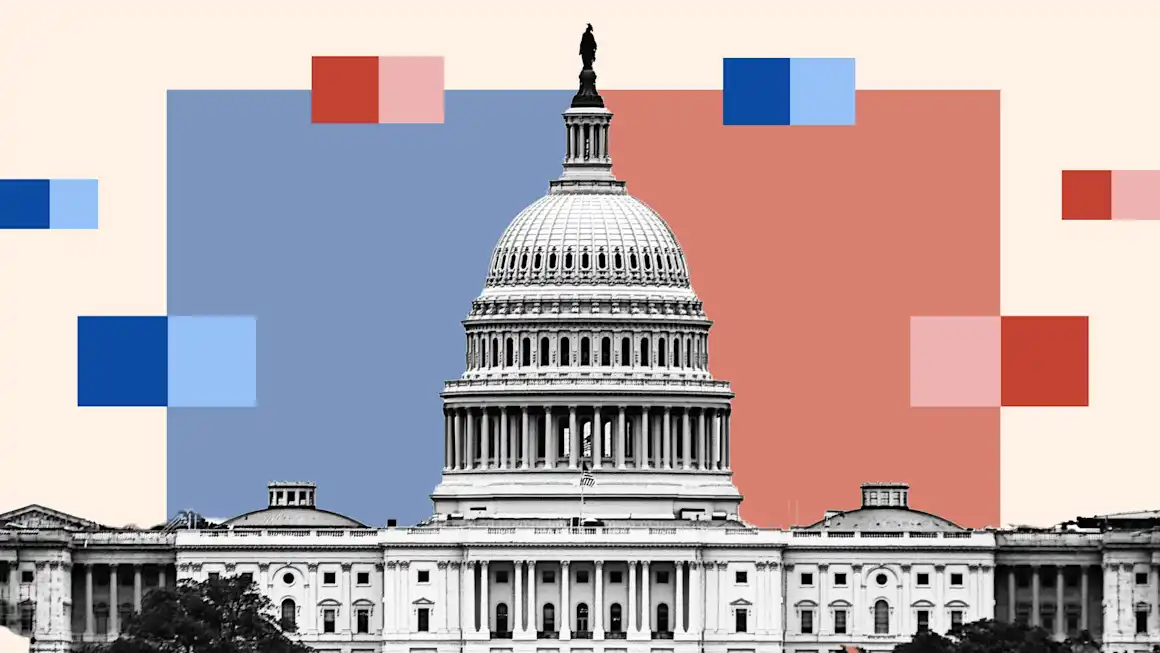
Shifting Congressional Dynamics
The 2022 United States midterm elections have concluded their critical counting phases, delivering a fragmented mandate that has significantly altered the legislative landscape in Washington. As final results were tallied, the Republican Party secured a narrow majority in the House of Representatives, ending the Democratic hold on the chamber. This outcome positions the GOP to set the legislative agenda and exercise rigorous oversight over the Biden administration, marking a pivotal shift in the balance of power that had characterized the previous two years of governance.
Simultaneously, the Senate remained under Democratic control, though with a slim margin. The retention of the Senate majority by Democrats ensures that the executive branch retains the ability to advance its legislative priorities, including infrastructure and climate initiatives, provided internal party cohesion holds. The close nature of several Senate races, particularly in states like Georgia and Pennsylvania, underscored the intense competitiveness of the electorate and the high stakes involved in securing key supermajorities for procedural votes.
State-Level Implications and Governorships
Beyond the federal legislature, the midterm results had profound implications for state-level politics, with gubernatorial races serving as bellwethers for national sentiment. Democrats maintained control of several key swing state governorships, including those in Nevada, Arizona, and Michigan, defying some pre-election polls that suggested a potential blue shift. These victories are critical for the Democratic Party's strategy in the upcoming 2024 presidential election, as these states are likely to be battlegrounds in the general election.
Conversely, Republicans made significant gains in state legislatures, winning control or strengthening majorities in several states. This legislative dominance at the state level allows GOP lawmakers to implement policy priorities such as tax cuts, education reforms, and stricter election laws, often in direct opposition to federal Democratic policies. The divergence between federal and state governance creates a complex political environment where policy implementation will vary drastically depending on geographic location.
Early voting turnout exceeded historical averages in many states, contributing to the tight margins observed in the final results. High participation rates, particularly among younger voters and suburban demographics, played a decisive role in several close races. Analysts note that the demographic shifts driving this turnout will likely influence political strategies for the next two years, as both parties seek to mobilize their respective bases while appealing to moderate independents.
Immediate Consequences for Policy and Governance
The immediate consequence of the split Congress is a heightened potential for legislative gridlock. With Republicans controlling the House and Democrats holding the Senate, the path for passing significant new legislation becomes fraught with procedural hurdles. The House leadership is expected to initiate investigations into the Biden administration's policies, including handling of the border, inflation, and foreign policy, utilizing the committee system to exert pressure on the executive branch.
However, the need for bipartisan cooperation on essential government functions remains. Budgetary processes, debt ceiling adjustments, and national security issues often require cross-party agreement, ensuring that Congress cannot completely halt government operations. The narrow margins in both chambers mean that every vote is critical, and internal party factions, such as the Freedom Caucus in the House or the progressive wing in the Senate, hold disproportionate influence over legislative outcomes.
Looking ahead, the political landscape will be defined by the interplay between a hostile House and a closely divided Senate. The Republican majority in the House is likely to focus on fiscal conservatism and regulatory rollbacks, while the Democratic Senate will act as a check on these efforts. This dynamic sets the stage for a contentious two-year period characterized by political maneuvering, public hearings, and potentially frequent use of executive orders to bypass legislative stalemates.
Key takeaways
- Republicans have secured a narrow majority in the US House of Representatives, taking control of the chamber from Democrats.
- The Democratic Party retained control of the US Senate, maintaining a slight edge in the upper chamber of Congress.
- Key swing state governorships, including Nevada and Arizona, remained under Democratic control, defying some early projections.
- High voter turnout, particularly in early voting, contributed to the tight margins observed across numerous competitive races.
- The split Congress creates a likelihood of increased legislative gridlock and intensified oversight of the Biden administration.





