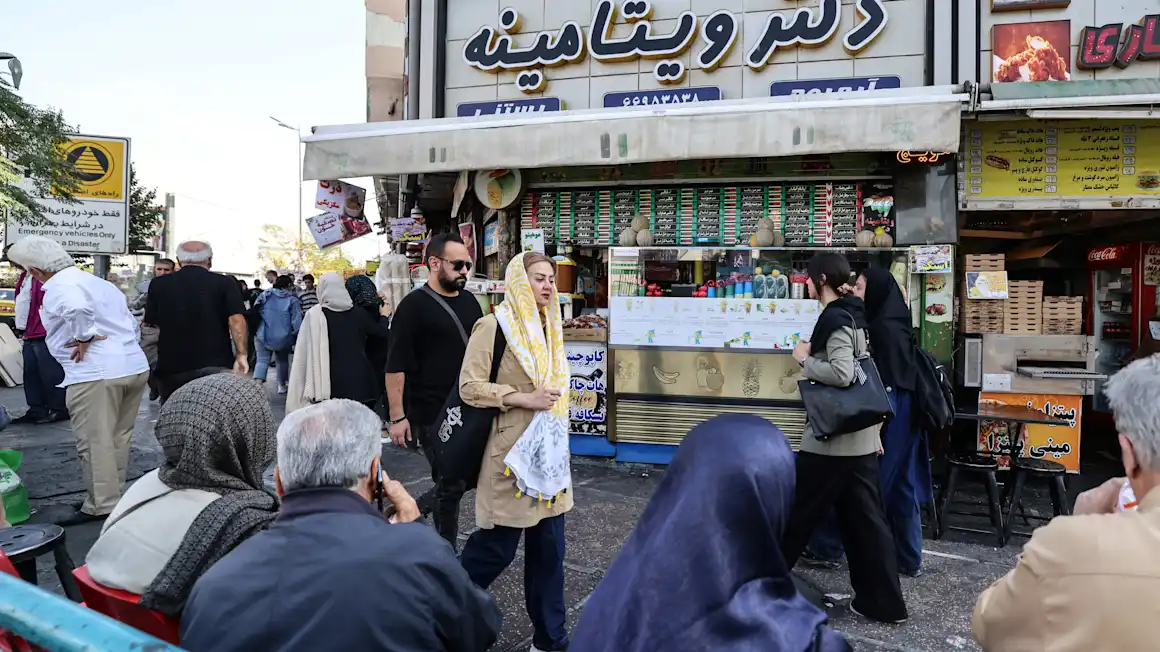
Resurgence of Urban Vitality
The capital city of Tehran is currently experiencing a noticeable surge in economic and social activity, marking a significant shift from previous periods of stagnation. Observers note that the city has successfully recaptured the energy levels seen before recent waves of international sanctions and trade disruptions. This revitalization is evident in bustling markets, increased consumer spending in certain sectors, and a general return of vibrancy to public spaces that had previously been subdued by economic hardship.
This resurgence does not necessarily indicate a complete resolution of the structural economic challenges facing the nation. Instead, it reflects a period of adaptation where local businesses and residents have found ways to navigate existing constraints. The visible energy in the streets suggests a degree of resilience within the informal and formal economies, allowing daily life to proceed with a renewed sense of normalcy despite the overarching political climate.
Underlying Trepidation
Despite the outward appearance of stability and energy, a pervasive sense of uncertainty lingers among the population. Residents are gripped by trepidation regarding the potential for renewed or intensified external pressures, particularly in light of shifting geopolitical dynamics. The fear is not merely about the current state of affairs but is heavily focused on what is next, with many anticipating that the current window of relative calm may be temporary.
This anxiety is driven by the historical volatility of the region's relationship with Western powers. The memory of previous sanction regimes, which caused significant inflation and currency devaluation, remains fresh in the public consciousness. Consequently, while the city may appear vibrant, the underlying economic confidence is fragile, dependent on the continued absence of drastic policy changes from foreign governments.
Implications for Market Stability
The contrast between visible urban vitality and underlying economic anxiety presents a complex picture for external observers and investors. The ability of Tehran's economy to maintain momentum suggests that local mechanisms for circumventing restrictions or absorbing shocks are functioning. However, this resilience is contingent on the stability of the current geopolitical status quo. Any sudden shift in international policy could quickly reverse the gains in consumer confidence and commercial activity.
The current situation underscores the disconnect between macroeconomic indicators and ground-level realities. While official data may show stagnation or contraction, the lived experience in major urban centers like Tehran can tell a different story of adaptation and survival. This duality makes forecasting difficult, as the economy appears robust in certain sectors while remaining highly vulnerable to external political shocks.
Key takeaways
- Tehran has regained prewar levels of energy and commercial activity.
- Residents remain anxious about potential future geopolitical escalations.
- The city's economic resilience highlights effective local adaptation to sanctions.
- Current stability is viewed as fragile and dependent on external policy.





