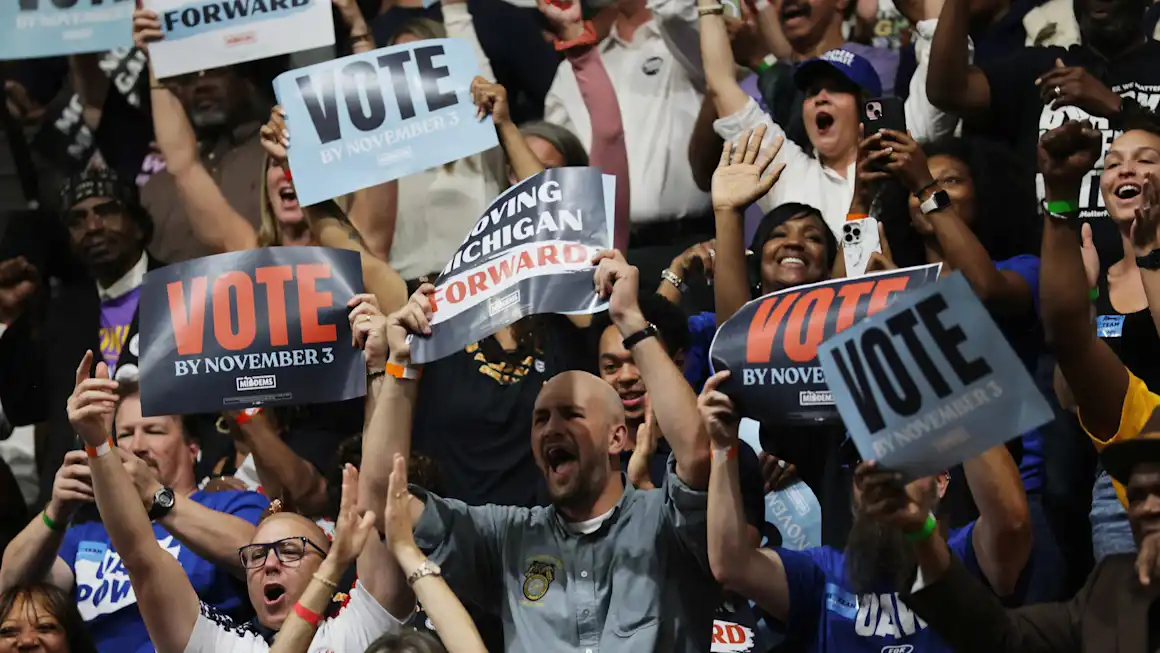
The Battle for Congressional Control
The upcoming United States midterm elections represent a critical juncture for the nation's political landscape, with significant implications for the executive branch and legislative agenda. Central to the outcome is the question of whether the Democratic Party will secure a sweeping victory, often termed a 'blue wave,' or if the Republican Party will maintain or regain control of Congress. This shift in power directly influences the president's ability to enact policy, with potential outcomes ranging from effective governance to a period of legislative paralysis characterized by a 'lame duck' status.
Historical precedent suggests that midterms often serve as a referendum on the sitting administration's performance. If the Democrats achieve a majority in both chambers, it could significantly constrain the president's legislative influence, rendering their remaining term more ceremonial in nature. Conversely, a Republican victory in key races could empower the opposition party to block initiatives, initiate investigations, or alter the judicial landscape through confirmed appointments.
The stakes are particularly high in the Senate, where a narrow margin can dictate the balance of power. Several races are identified as crucial bellwethers, with incumbent senators facing formidable challengers in states that have shown shifting political allegiances. The outcome of these specific contests will likely determine which party holds the majority, thereby controlling the committee assignments and the legislative calendar for the next two years.
Market and Policy Implications
For investors and the broader economy, the composition of Congress is a primary driver of regulatory and fiscal policy. A divided government often leads to gridlock, which can maintain the status quo in tax codes, spending bills, and regulatory frameworks. In contrast, unified control may facilitate rapid changes in healthcare, energy, and financial regulations, introducing volatility or opportunity across various sectors.
Corporate earnings and market sentiment are closely tied to the perceived stability of the political environment. Uncertainty regarding the post-election congressional makeup can lead to increased market volatility as investors price in the risk of policy shifts. Businesses operating in heavily regulated industries, such as healthcare and energy, will be closely monitoring these races to anticipate potential changes in compliance requirements and subsidies.
The potential for a 'blue wave' introduces specific policy risks and opportunities. Democratic platforms often emphasize expanded social programs, environmental regulations, and increased corporate taxation. If realized, these measures could impact profit margins in certain sectors while stimulating growth in others, such as renewable energy and infrastructure. Investors must remain attentive to how legislative priorities translate into concrete regulatory actions.
What Happens Next
As the election approaches, polling data and campaign spending will intensify, providing further signals about the likely outcome. The final days of the campaign will focus on mobilizing base voters and persuading swing voters in key districts and states. The results will not only shape the immediate political future but also set the stage for the next presidential election cycle, influencing fundraising, candidate recruitment, and party strategy.
Regardless of the outcome, the midterm results will define the operational environment for the remainder of the presidential term. The interplay between the executive and legislative branches will determine the pace and scope of national policy changes. Observers will be watching for early signs of cooperation or conflict between the new congressional leadership and the White House.
Key takeaways
- The midterm elections will determine whether Democrats or Republicans control Congress, directly impacting the president's legislative power.
- A Democratic 'blue wave' could render the president a 'lame duck' by limiting their ability to pass key agenda items.
- Several pivotal Senate races are identified as critical determinants of the final balance of power in Washington.
- Market volatility may increase as investors assess the potential for regulatory and fiscal policy shifts under different congressional majorities.
- Divided government typically leads to legislative gridlock, while unified control may accelerate policy changes in healthcare, energy, and finance.





