Geopolitical Tightening and Corporate Strategy
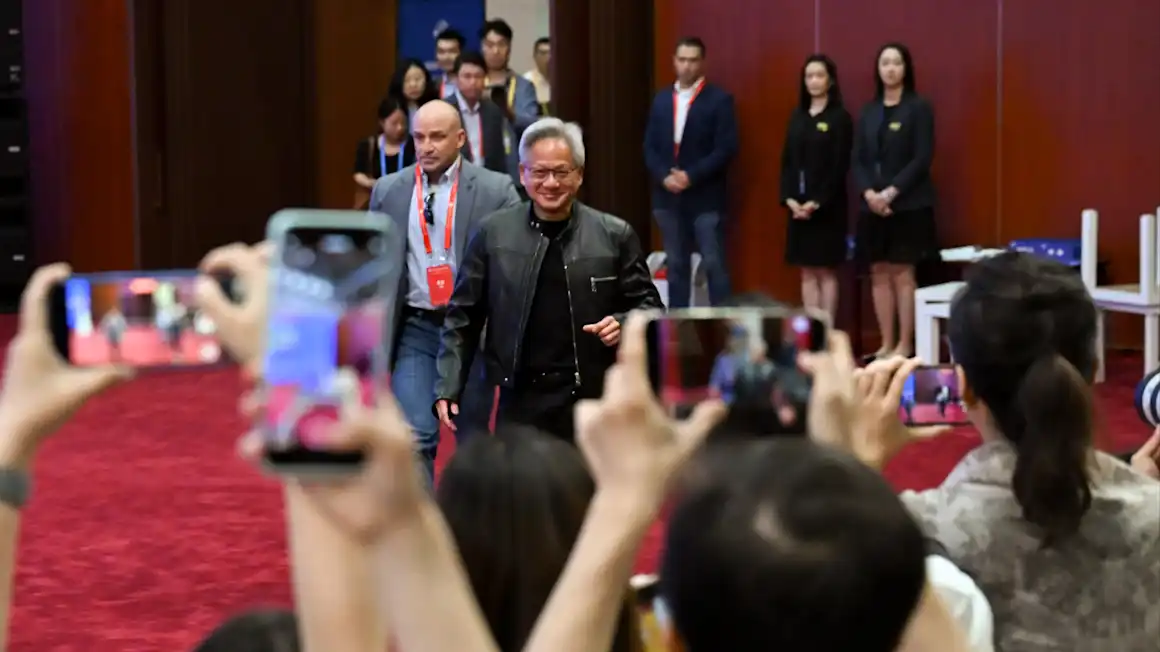
Jensen Huang, the chief executive officer of Nvidia Corporation, is currently facing intense scrutiny over his longstanding efforts to maintain business relationships with China. This heightened regulatory focus comes as the US government implements stricter export controls on advanced semiconductor technology, aiming to curb China's military and artificial intelligence capabilities. Huang’s role as a central figure in the technology sector has placed him at the intersection of corporate profitability and national security interests, creating a complex environment for Nvidia’s operations in the Asian market.
The scrutiny surrounding Huang is not merely a reaction to recent policy changes but reflects a years-long effort by the Nvidia chief executive to keep the company’s products accessible in China. Despite increasing barriers, Huang has consistently advocated for maintaining a presence in the world’s second-largest economy, arguing that a complete withdrawal would harm both Nvidia’s revenue and the global pace of technological innovation. This stance has drawn the attention of lawmakers and regulators who are closely monitoring how American tech giants balance compliance with international market opportunities.
Impact of Export Controls on Nvidia
Recent US regulations have significantly impacted Nvidia’s ability to sell its most advanced AI chips to Chinese clients. The company has had to modify its product offerings to comply with new performance thresholds set by the Department of Commerce. These adjustments have led to the creation of specialized chips, such as the A800 and H800, which were designed to meet US export requirements while still providing substantial computing power for Chinese data centers. However, even these tailored products have faced additional layers of scrutiny and potential restrictions in recent months.
Analysts suggest that the geopolitical tension has forced Nvidia to navigate a precarious path. The company’s stock price has fluctuated in response to news regarding export license approvals and denials. Investors are closely watching how Huang’s diplomatic engagements with Chinese officials might influence future regulatory decisions. The risk of further tightening of controls remains a significant factor in Nvidia’s strategic planning, with the company potentially needing to redirect resources toward other international markets if access to China becomes more restricted.
“We are committed to following all applicable laws and regulations while continuing to serve our global customer base,” Nvidia stated in a recent filing regarding its operations in restricted regions.
What Happens Next for Nvidia and the Industry
The ongoing scrutiny of Huang’s efforts highlights the broader challenge facing the semiconductor industry. As the US and China continue to compete for technological supremacy, American companies like Nvidia are caught in the middle. The outcome of this regulatory environment will likely shape the future of global chip supply chains and influence how technology firms approach international expansion. Companies may need to develop more robust compliance frameworks or consider restructuring their operations to mitigate political risk.
Observers note that Huang’s personal involvement in these discussions underscores the high stakes involved. His ability to maintain dialogue with Chinese counterparts while adhering to US guidelines will be critical in determining Nvidia’s long-term trajectory. Any misstep could result in severe penalties or loss of market access, while successful navigation could reinforce Nvidia’s position as a leader in the AI hardware sector. The situation remains dynamic, with new regulations and diplomatic developments emerging regularly.
Key takeaways
- Jensen Huang faces intense scrutiny over his years-long efforts to maintain Nvidia’s business ties with China.
- US export controls on advanced semiconductors have significantly impacted Nvidia’s ability to sell AI chips to Chinese clients.
- Nvidia has developed specialized chips like the A800 and H800 to comply with US regulations while serving the Chinese market.
- The geopolitical tension between the US and China creates significant uncertainty for Nvidia’s future revenue streams.
- Huang’s personal diplomatic engagements are closely watched by regulators and investors alike.





