Leadership Vacuum and Market Sentiment
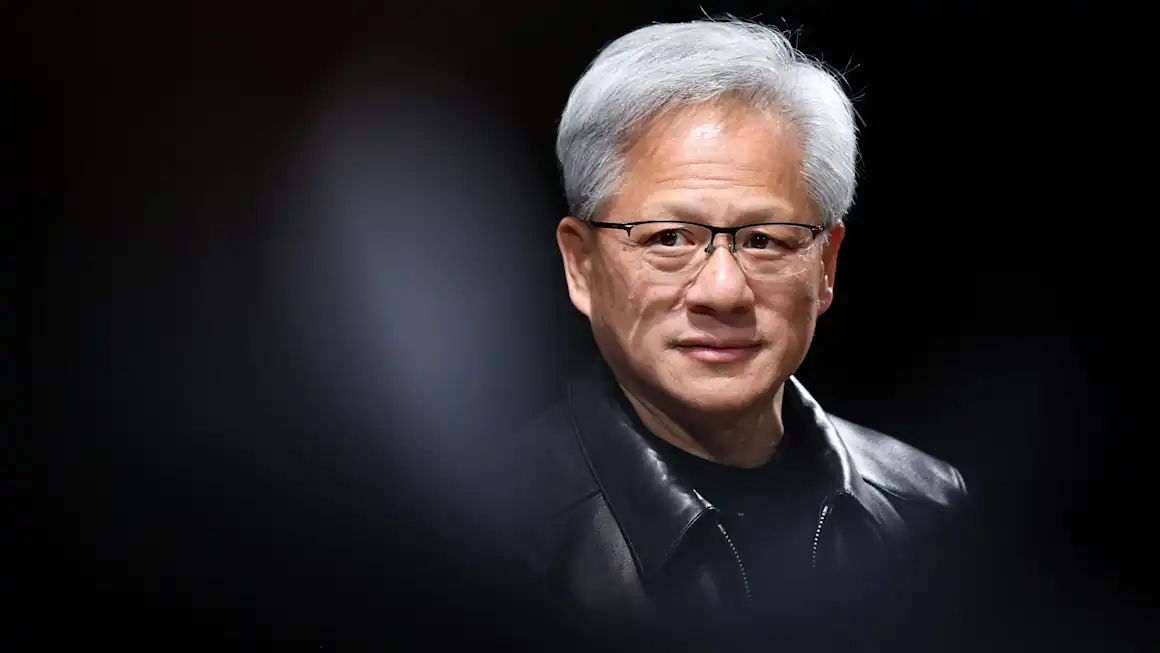
The sudden absence of Jensen Huang, the chief executive officer of Nvidia, from the public eye has introduced a layer of uncertainty into the financial markets. As the central figure driving the company's strategic vision, his temporary removal from daily operations has prompted investors and industry observers to reassess the resilience of the artificial intelligence (AI) ecosystem. The situation highlights the profound reliance that modern markets have placed on a single individual to maintain momentum in a sector characterized by rapid technological evolution and intense capital expenditure.
Nvidia has long been synonymous with the AI boom, serving as the primary supplier of the high-performance computing chips required to train large language models and power generative AI applications. The company's stock performance has been a bellwether for the broader technology sector, often dictating the direction of major indices. Consequently, any disruption in the leadership continuity at Nvidia's helm is viewed not merely as a corporate governance matter, but as a potential indicator of broader systemic risks within the tech industry.
Unraveling Financial Dependencies
Analysts suggest that the potential unraveling of the web of financial dependencies that has fueled the AI boom is a key area of concern. Nvidia's business model is deeply intertwined with the spending habits of major cloud service providers, tech giants, and emerging startups. These entities have committed billions of dollars to Nvidia's hardware, creating a complex network of supply chain obligations and revenue forecasts. If the leadership transition at Nvidia leads to any perceived instability, it could ripple through this network, affecting the valuation and operational plans of numerous downstream partners.
The current market environment is built on expectations of sustained growth in AI infrastructure. Investors have priced in a future where demand for Nvidia's products continues to outstrip supply. A shift in leadership dynamics, even if temporary, forces a re-evaluation of these growth assumptions. The fear is not necessarily that Nvidia will fail to deliver products, but that the strategic direction might shift, potentially altering the pace of innovation or the allocation of resources in ways that could disappoint market expectations.
Furthermore, the psychological impact on the market cannot be underestimated. In the high-stakes world of technology investing, confidence in leadership is paramount. Jensen Huang's visible presence has been a stabilizing force, providing a clear narrative for the company's future. His absence creates a vacuum that can be filled by speculation, potentially leading to increased volatility in Nvidia's stock price and, by extension, the stocks of other AI-related companies.
What Happens Next
The immediate focus for the market is on the duration and nature of Huang's absence. While the company has stated that the leave is for personal reasons, the lack of specific details has left room for various interpretations. Investors are closely monitoring any official communications from Nvidia regarding the appointment of an interim leader or the timeline for Huang's return. The clarity of this information will be crucial in restoring market confidence and stabilizing the sector.
Historically, leadership transitions have tested the mettle of even the most successful companies. The question now is whether Nvidia's organizational structure is robust enough to maintain its competitive edge and supply chain integrity without its founder and long-time CEO at the helm. The coming weeks will provide critical insights into the company's operational resilience and the strength of its relationships with key industry partners.
Key takeaways
- Jensen Huang, CEO of Nvidia, has temporarily stepped away from public duties, raising questions about leadership continuity.
- The AI industry's financial structure relies heavily on Nvidia's consistent supply of high-performance computing chips.
- Market volatility may increase as investors reassess growth forecasts tied to the company's leadership.
- Major tech firms and cloud providers are closely monitoring the situation due to their significant financial dependencies on Nvidia.
- The duration of Huang's absence remains undefined, contributing to uncertainty in the broader technology sector.





