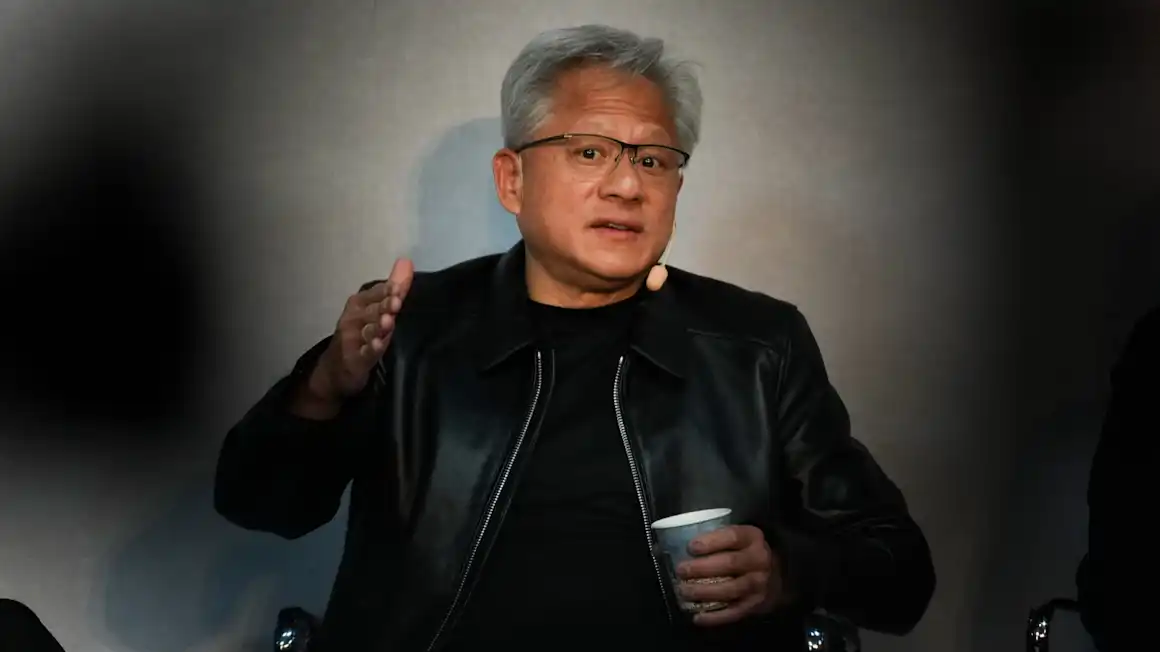
Concentration of Leadership Power
Nvidia Corporation, the world’s most valuable company by market capitalization, is currently at the center of a growing debate regarding corporate governance and leadership risk. The core of the issue lies in the extreme concentration of influence held by CEO Jensen Huang. While Huang is widely credited with steering the company’s strategic pivot toward artificial intelligence and data center solutions, his singular role has led some observers to classify the firm as a classic example of a 'key man' risk. This term refers to a business whose success is disproportionately tied to the presence, decisions, and health of a single individual.
The concern is not merely theoretical. Nvidia’s stock performance and market valuation have been inextricably linked to Huang’s public appearances, earnings calls, and strategic announcements. When Huang speaks, the market listens. This dynamic creates a scenario where the company’s future trajectory is viewed through the lens of one person’s vision, rather than a diversified leadership team capable of executing strategy independently. Investors are increasingly aware that any unforeseen absence or change in leadership could introduce significant volatility into the stock.
Broader Industry Vulnerabilities
Nvidia is not an isolated case. The phenomenon of 'key man' risk extends across the broader artificial intelligence sector. Other leading tech firms are similarly reliant on single executives to drive innovation and maintain market confidence. This pattern suggests a structural weakness in the modern tech industry, where the pace of innovation is so rapid that it often hinges on the genius or charisma of a founder or CEO. As AI becomes the primary engine of growth for global markets, this concentration of power raises questions about the resilience of these corporate giants.
Analysts note that while strong leadership can be a competitive advantage, it also presents a single point of failure. If Jensen Huang were to retire, face health issues, or depart for any reason, the market would need to assess whether Nvidia’s institutional knowledge and strategic direction could be seamlessly transferred. The uncertainty surrounding this transition is a factor that institutional investors are now factoring into their long-term risk models. The dependency on Huang is so profound that his personal brand has become almost synonymous with the Nvidia brand itself.
The implications of this reliance are significant for portfolio management. Diversification strategies typically aim to reduce exposure to individual company risks, but when a company’s fate is tied so closely to one individual, traditional diversification may not fully mitigate the risk. A shock to Huang’s reputation or availability could trigger a sell-off that is disproportionate to the company’s underlying financial health. This has led some experts to call for more robust succession planning and leadership development within Nvidia to demonstrate that the company can thrive beyond its current leader.
Market Reaction and Future Outlook
The market’s reaction to discussions surrounding Huang’s role has been mixed. On one hand, investors view his continued tenure as a sign of stability and vision in a chaotic technological landscape. On the other hand, the awareness of key man risk has introduced a layer of caution. Traders are monitoring news related to Huang’s health, schedule, and public statements with heightened sensitivity. Any deviation from his usual routine or tone in communications is analyzed for potential signals of change or distress.
Looking ahead, the question of succession planning remains largely speculative. Nvidia has not publicly detailed a comprehensive transition strategy that would reassure the market of its independence from Huang. Until such plans are articulated or demonstrated through the empowerment of other senior executives, the key man risk will remain a prominent topic in financial analysis. The industry is watching to see if Nvidia can evolve from a leader-dependent entity to a more structurally resilient organization. The outcome of this evolution will likely set a precedent for other tech giants facing similar scrutiny.
Key takeaways
- Nvidia’s market value and strategic direction are heavily dependent on CEO Jensen Huang, creating a significant key man risk.
- Analysts warn that the company’s reliance on a single leader exposes investors to substantial volatility if leadership changes unexpectedly.
- This issue reflects a broader trend in the AI sector where multiple leading firms are similarly reliant on single executives for innovation and market confidence.
- Institutional investors are increasingly incorporating leadership concentration risks into their long-term valuation models for tech stocks.
- Nvidia has not yet publicly detailed a comprehensive succession plan to mitigate the perceived risk associated with Huang’s central role.





