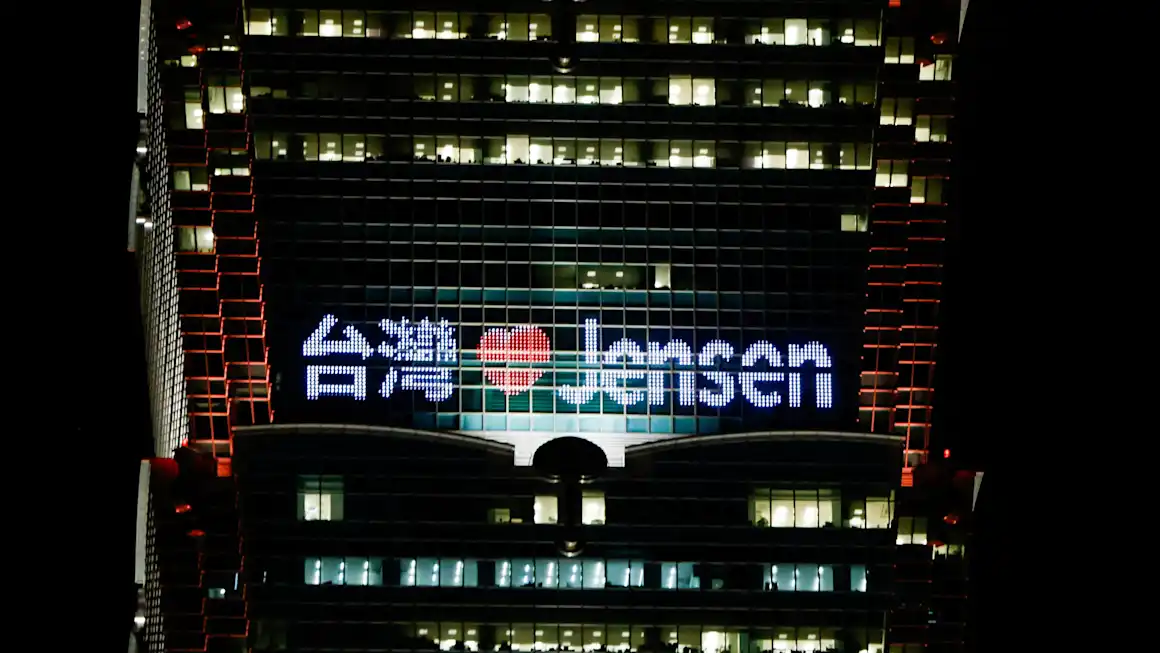
A Tech Icon Returns to the Source
Jensen Huang, the CEO of Nvidia, has recently completed a visit to Taiwan, an event that has been described by observers as a significant moment for the semiconductor industry. Huang is among a rare group of business leaders who maintain active operational ties across the Taiwan Strait, navigating the complex geopolitical landscape between Taiwan and China. His presence in Taiwan has triggered what media outlets are calling 'Jensanity,' a surge of enthusiasm and media attention surrounding the founder and leader of one of the world's most valuable technology companies.
The visit underscores the deep integration of Nvidia into the manufacturing ecosystem of Taiwan, a region that serves as the global hub for advanced chip production. While the specific details of the meetings held during the trip have not been fully disclosed to the public, the mere act of Huang traveling to the island carries substantial weight in financial markets and among technology investors. The event highlights the delicate balance Nvidia must maintain, ensuring supply chain continuity while operating within a region subject to intense international scrutiny.
Straddling the Geopolitical Divide
Huang's ability to operate on both sides of the Taiwan Strait is a testament to Nvidia's strategic positioning in the global economy. The company relies heavily on Taiwan Semiconductor Manufacturing Company (TSMC) for its most advanced processors, yet it also maintains significant sales and operational interests in mainland China. This dual presence makes Huang a unique figure in the business world, as few other executives can navigate the regulatory and political pressures of both jurisdictions simultaneously.
The excitement generated by the visit reflects the broader anxiety and optimism surrounding the future of the artificial intelligence (AI) sector. Nvidia's chips are considered essential infrastructure for AI development, and any disruption in the supply chain could have global repercussions. Investors and industry analysts are closely watching how Huang and his company manage to sustain growth in this high-stakes environment, particularly as tensions between the United States, China, and Taiwan remain a persistent factor in international relations.
Market participants have reacted to the news with heightened interest, viewing Huang's movements as potential indicators of broader trends in the tech industry. The term 'Jensanity' captures the emotional response of investors who see Nvidia as a bellwether for the AI boom. The visit serves as a reminder of the human element behind the corporate strategies, with Huang personally engaging with the partners and ecosystems that keep the company's products relevant in a rapidly evolving technological landscape.
Implications for the Global Supply Chain
The focus on Huang's visit also brings attention to the resilience of the global semiconductor supply chain. Taiwan's role as a critical node in this network cannot be overstated, and the willingness of top executives like Huang to engage directly with the region signals confidence in its stability and capability. However, it also highlights the vulnerabilities inherent in such a concentrated manufacturing base, as any geopolitical shock could impact the availability of advanced chips worldwide.
As the industry looks toward the future, the interactions between Nvidia, Taiwanese manufacturers, and Chinese markets will likely continue to shape the trajectory of AI development. The 'Jensanity' phenomenon is not just about one leader's travel itinerary; it is a reflection of the intense interest in how the world's leading AI chipmaker will navigate the coming years. Stakeholders across the financial and technology sectors are paying close attention to how these dynamics will unfold, knowing that the outcomes will have far-reaching consequences for the global economy.
Key takeaways
- Jensen Huang's recent visit to Taiwan has generated significant excitement, termed 'Jensanity,' among investors and media.
- Huang is one of the few business leaders capable of maintaining operations across both Taiwan and China.
- Nvidia's reliance on Taiwan's semiconductor industry highlights the region's critical role in the global AI supply chain.
- The visit underscores the geopolitical complexities facing tech companies that operate in both Taiwan and mainland China.
- Market interest remains high as investors watch for signals regarding the stability of the AI chip supply network.





