Strategic Acquisition of Shale Resources
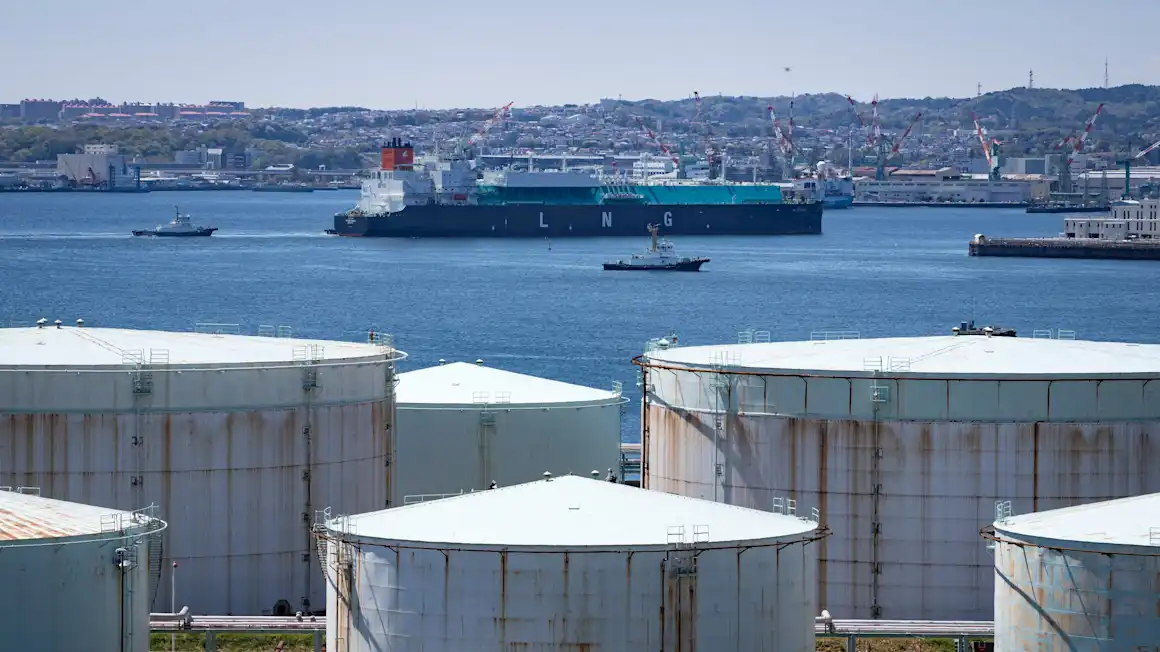
Japanese conglomerates have initiated a massive $21 billion investment spree aimed at securing long-term liquefied natural gas (LNG) supplies. This strategic move targets shale gas resources located along the United States Gulf Coast, marking a significant shift in energy procurement strategies for the world's second-biggest buyer of LNG. The deal spree comes amidst a period of considerable upheaval in global energy markets, where supply chain stability has become a paramount concern for industrialized nations.
The scale of the investment underscores the critical role natural gas plays in Japan's energy mix. As the nation seeks to diversify its energy sources and reduce reliance on other volatile regions, the US Gulf Coast has emerged as a primary target. The region's abundant shale resources offer a stable and scalable supply chain, which Japanese firms view as essential for maintaining energy security in an increasingly unpredictable geopolitical landscape.
Market Context and Global Implications
The decision to commit such substantial capital is driven by the need to hedge against market fluctuations and supply disruptions. Global LNG markets have experienced significant volatility in recent years, influenced by geopolitical tensions, regulatory changes, and shifting demand patterns. By locking in long-term contracts with US producers, Japanese companies aim to stabilize their input costs and ensure a consistent flow of energy resources.
This move also highlights the growing importance of the US as a central player in the global LNG trade. The Gulf Coast, with its existing infrastructure and expanding production capabilities, is well-positioned to meet the growing demand from Asian markets. Japanese firms are leveraging this opportunity to secure preferential access to resources, potentially gaining a competitive edge in the region's energy sector.
Industry analysts suggest that this influx of Japanese capital could accelerate development projects in the US, leading to increased production capacity and potentially influencing global LNG pricing. The long-term nature of these agreements provides US producers with the financial certainty needed to invest in new projects, further solidifying the US position as a reliable supplier in the global market.
Future Outlook and Industry Response
The successful execution of these deals will depend on various factors, including regulatory approvals, construction timelines, and global demand trends. Japanese companies are closely monitoring these developments to ensure that their investments align with their long-term energy strategies. The focus on shale gas also reflects a broader trend towards securing diverse and resilient energy sources in response to climate change and environmental considerations.
As the global energy transition continues, the role of natural gas as a bridge fuel remains a topic of debate. However, for Japan, the immediate priority is ensuring energy security and economic stability. The $21 billion commitment represents a significant step in this direction, demonstrating the country's resolve to secure its energy future through strategic partnerships and investments.
Stakeholders in the energy sector are closely watching the progress of these deals, as they could set a precedent for other nations seeking to secure LNG supplies. The interplay between Japanese investment, US production capabilities, and global market dynamics will shape the trajectory of the LNG industry in the coming years.
Key takeaways
- Japanese firms have launched a $21 billion investment spree to secure LNG supplies.
- The deals target shale gas resources on the US Gulf Coast.
- Japan is the world's second-biggest buyer of liquefied natural gas.
- The move aims to mitigate risks from global market upheavals.
- The investment supports long-term energy security and supply chain stability.





